
Planting
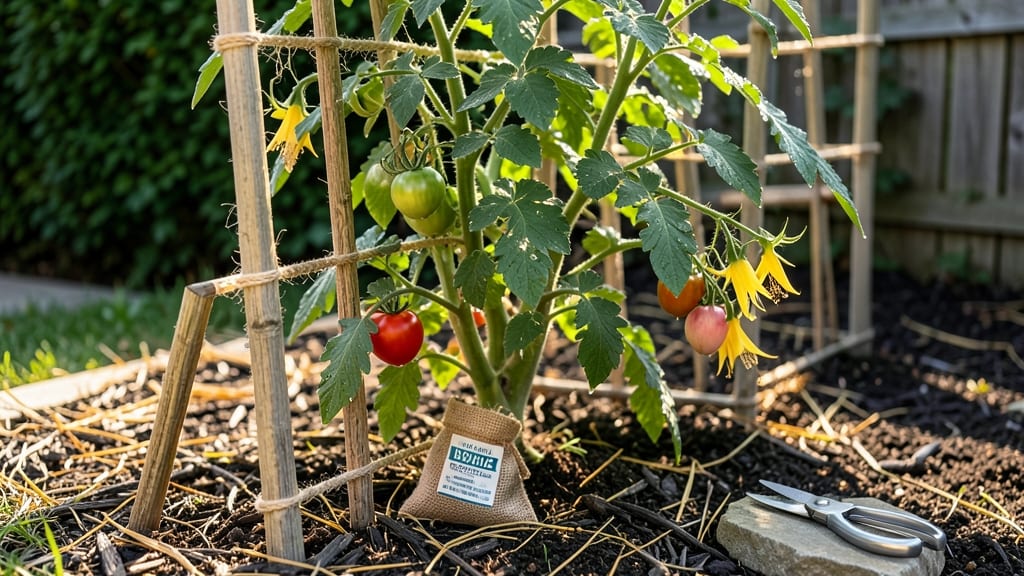
Want how to get more tomatoes on your plant to explode with fruit instead of just a few tomatoes? The key to a tomato bonanza isn't luck—it's strategic pruning that redirects energy where it matters most.
Most gardeners miss this simple trick: removing the right growth at the right time can boost your yield by 30% or more. I've tested these methods in zone 6a gardens, and the results speak for themselves—thicker stems, more flowers, and a harvest that keeps coming.
You don't need fancy tools or expensive fertilizers to see dramatic results. With just a pair of clean pruners and a little timing, you'll learn exactly which stems to cut (and which to keep) to maximize fruit production all season long.
Let's start with the 3-step pruning system that transformed my tomato plants from average to overflowing. The best part? These techniques work for both bush and vine varieties, so no matter what you're growing, you'll get more tomatoes than ever before.

How strategic pruning boosts tomato production: step-by-step guide
Pruning your tomato plants isn't just about shaping them—it's a science-backed way to redirect energy toward fruit production. When you remove suckers (those little shoots between main stems) and lower leaves, you improve air circulation and sunlight penetration.
This simple act can increase your yield by up to 30% while reducing disease risk. The key is knowing when and how to prune based on your tomato variety.
First, understand the difference between determinate and indeterminate tomatoes. Determinate varieties (like 'Roma') grow to a fixed size and produce fruit all at once, while indeterminate types (like 'Sungold') keep growing and producing throughout the season.
Indeterminate plants benefit most from pruning, as they channel energy into continuous fruiting rather than excessive foliage.
Here’s the step-by-step process to maximize your harvest:
- 1 Identify suckers: These are the small shoots growing in the leaf axils (where leaves meet stems). Use your fingers to gently pinch them off when they’re 2-3 inches tall.
- 2 Prune lower leaves: Remove leaves from the bottom 12-18 inches of the plant to improve airflow and reduce soil-borne diseases like blight. Aim to expose the first flower cluster.
- 3 Focus on main stems: For indeterminate varieties, leave the strongest 2-3 main stems and prune weaker stems at the base. This directs energy to fewer, more productive branches.
- 4 Timing matters: Start pruning when the plant is 12-18 inches tall and continue every 1-2 weeks during the growing season. Avoid pruning during flowering or fruiting to prevent stress.
- 5 Use clean tools: Always sterilize your pruners with rubbing alcohol or a 10% bleach solution to prevent spreading disease. Make cuts at a 45-degree angle just above a leaf node.
Pruning isn’t just about cutting—it’s about strategic removal. For example, if you see a sucker growing near a fruit cluster, leave it to support the existing fruit.
Similarly, avoid over-pruning, as this can stress the plant and reduce yields. The goal is to maintain a balance between foliage and fruit production.
Another pro tip: Pair pruning with trellising for indeterminate varieties. This not only saves space but also allows you to easily access and prune higher branches. Use a sturdy tomato cage or bamboo stakes to support the plant as it grows taller.
This method also reduces the risk of disease spread from foliage touching the ground.
Remember, pruning is a continuous process, not a one-time task. Check your plants weekly during the growing season to stay ahead of sucker growth. With consistent pruning, you’ll see larger, healthier tomatoes and a plant that’s less susceptible to pests and diseases.
Your efforts will pay off with a bountiful harvest that rivals commercial yields!
For best results, combine pruning with other yield-boosting techniques like hand-pollination (especially for indoor or greenhouse plants) and companion planting with basil or marigolds. These methods work together to create the perfect environment for tomato success.
🌿
How strategic pruning boosts tomato production: step-by-step guide
Pruning your tomato plant isn’t just about shaping it—it’s a game-changer for fruit production. By removing suckers (those little shoots between the stem and branches) and lower leaves, you redirect energy from foliage to tomato development.
This simple technique can increase yields by up to 30%, especially for indeterminate varieties like 'Sungold' or 'Brandywine'.
Think of pruning as giving your plant a focused energy boost. Too many leaves create shade, which slows fruit ripening. Strategic cuts improve air circulation, reducing disease risk while helping sunlight reach tomato clusters.
For determinate varieties (bush types), pruning is gentler—just remove diseased leaves and a few suckers to maintain shape.
When to prune: Start when plants are 12-18 inches tall and continue throughout the growing season. Avoid heavy pruning after mid-summer, as new growth won’t have time to mature before frost. Always use sterilized pruners to prevent disease spread.
- 🌿 Identify suckers: Look for small shoots growing between the main stem and branches. These appear in the leaf axils (where leaves meet stems).
- ✂️ Pinch or cut suckers: Use your fingers to pinch off small suckers or snip larger ones with pruners. Aim to leave a 1/4-inch stub to prevent disease.
- 🌞 Remove lower leaves: Strip leaves from the bottom 12-18 inches of the plant to improve airflow and sunlight to fruit clusters.
- 🌱 Prune for structure: For indeterminate varieties, limit the number of main stems to 2-3 strong branches to focus energy on fruit production.
- 💧 Water and fertilize: After pruning, give your plant a deep watering and a light balanced fertilizer (10-10-10) to support new growth.
Timing is everything! Prune in the morning on cloudy days to minimize stress on the plant. Avoid pruning during hot afternoons, as it can shock the plant and attract pests. For container-grown tomatoes, prune more aggressively to prevent overcrowding and improve fruit access.
Don’t forget to trellis your tomatoes—whether using stakes, cages, or a string system. This keeps the plant upright, improves airflow, and makes pruning easier. A well-pruned, trellised plant can produce 50% more tomatoes than an unpruned one, thanks to better light exposure and reduced disease pressure.
Watch for signs your pruning is working: larger leaves, more flowers, and heavier tomato clusters. If you notice yellowing leaves or stunted growth, you may have pruned too aggressively—adjust in the next round.
With consistent care, your tomato plant will reward you with a bountiful harvest! 🍅