Pests
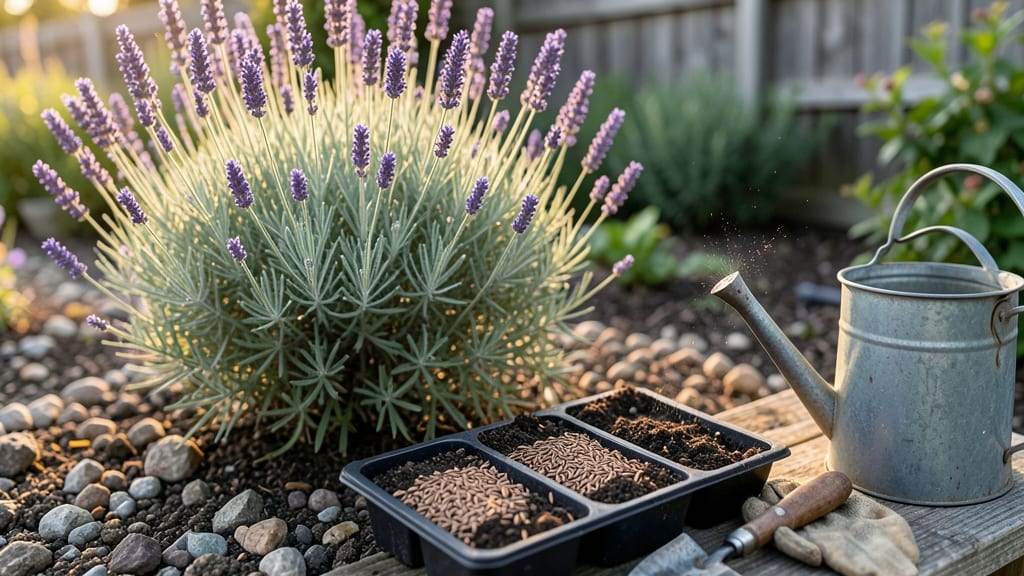
How to get lavender seeds from those fragrant dried heads you love is simpler than you’d think—no fancy equipment, just patience and a little know-how. The key? Harvesting at the right time and storing them properly for next season’s garden. You’ll need mature lavender plants (at least 2 years old), scissors, and paper bags for drying. Skip the seeds from store-bought plants—they’re often treated or hybridized, so save seeds from your own healthy lavender instead. The best time to collect is late summer or early fall when the flower heads turn brown and papery. Once dried, gently rub the seed heads to release tiny, dark seeds. Store them in an airtight container in a cool, dry place for up to a year. Viability drops after that, so plan to plant them fresh or keep them in the fridge for extra shelf life. For best results, consider propagating from cuttings instead—lavender rarely grows true from seed and often takes years to mature. But if you’re curious, these seeds make a fun experiment for your garden!
📚 In This Guide
- What you need
- Instructions
- Tips and common mistakes
- Wrapping up and next steps
What you need
- ● Mature lavender plants (preferably Lavandula angustifolia or Lavandula x intermedia—ensure they’re healthy and at least 2-3 years old for best seed production).
- ● Dried lavender flower heads (harvested when fully brown and seed pods are visible but not yet split open).
- ● Paper bags or breathable fabric sacks (to store and dry seeds—avoid plastic to prevent mold).
- ● Small mesh bags or envelopes (for long-term seed storage—opt for paper or breathable fabric to prevent moisture buildup).
- ● Scissors or pruning shears (sharp and clean to avoid damaging stems).
- ● Labeling tags or markers (to note the lavender variety and harvest date).
- ○ Desiccant packets (optional but helpful for storing seeds in airtight containers).
- ● Glove (to protect hands from prickly stems).
- ● Fine-mesh sieve or sifter (to separate seeds from chaff after drying).
- ● Small fan or dehumidifier (to speed up drying in humid climates).
- ● Seed storage containers (airtight jars or containers with tight-sealing lids).
- ● Notebook or spreadsheet (to track seed viability and germination rates over time).
Tips & tricks for perfect lavender seed harvest
Here's what I learned after collecting lavender seeds for years—these tricks make all the difference between viable seeds and wasted effort.
Timing is Everything: Harvest lavender seeds only after the flowers have fully turned brown and feel completely dry to the touch. I've learned the hard way that harvesting too early means immature seeds that won't germinate. The late summer to early fall window is your best bet for reliable results. If you miss this timing, you'll have to wait another full year.
Drying Strategy: The 1-2 week drying period is critical—don't rush it! I've had success using a mesh screen in my garage during warm days, but I always turn the flower heads every few days to prevent uneven drying. If you live in a humid climate, consider using a small fan on low setting to circulate air without creating drafts that could damage the seeds.
Clean Extraction: When extracting seeds from dried flower heads, I've found that using a paper bag works best—it catches the tiny seeds while allowing you to see them clearly against the white background. For larger batches, a fine-mesh sieve speeds up the process significantly. Always work over a clean surface to avoid mixing seeds with dirt or debris.
Storage Wisdom: The refrigerator method for long-term storage is a game-changer. I store my lavender seeds in small glass jars with a silica gel packet to absorb any moisture. Labeling each jar with the variety and harvest date helps me keep track of which seeds to use first—older seeds (after 2 years) have much lower germination rates.
Pro Tips for Get Lavender Seeds
- Here's what I learned after collecting lavender seeds for years—these tricks make all the difference between viable s...
- Timing is Everything: Harvest lavender seeds only after the flowers have fully turned brown and feel completely dry t...
- Drying Strategy: The 1-2 week drying period is critical—don't rush it! I've had success using a mesh screen in my gar...
Frequently asked questions
about growing lavender from seeds—because every gardener deserves clarity!Can I collect lavender seeds from store-bought dried flowers?
Yes, but with a big caveat! Store-bought lavender is often bred for scent or appearance, not seed viability. If you see plump, brown seed pods (not just fluffy chaff), they might work—but germination rates are low. For reliable seeds, source from a reputable seed supplier or grow lavender from cuttings instead.
How long does it take for lavender seeds to germinate?
Patience is key! Lavender seeds are notoriously slow—expect germination in 30–90 days under ideal conditions (warmth, moisture, and light). Pre-soaking seeds for 24 hours in warm water can speed things up slightly, but don’t rush it. A heat mat set to 70–75°F (21–24°C) may help.
What’s the best way to store lavender seeds until planting?
Store seeds in a cool, dry place (like a paper envelope in the fridge) for up to 1–2 years. Avoid plastic bags—condensation can cause mold. Label them with the harvest date! For best results, plant them fresh or within 6 months for higher viability.
Why aren’t my lavender seeds sprouting?
Lavender seeds are fussy—here’s a quick troubleshooting list:
- Too cold: Seeds need warmth (70°F+ or 21°C+). Use a seedling heat mat if needed.
- Too wet: Overwatering causes rot. Keep soil lightly moist, not soggy.
- Old seeds: Viability drops after 1–2 years. Test a few seeds first!
- No light: Lavender seeds need bright, indirect light to germinate.
Is it easier to grow lavender from cuttings or seeds?
Cuttings win for beginners!
They’re faster (roots in 2–4 weeks), more reliable, and preserve the parent plant’s traits. Seeds are hit-or-miss and take months to mature. Save seeds for experimenting with new varieties—or stick to cuttings for guaranteed lavender blooms.
Wrapping up and next steps
Growing lavender from seeds is a rewarding journey that starts with saving those tiny treasures from dried flower heads! 🌿 By following these steps—harvesting at the right time, drying properly, and storing seeds carefully—you’ll be ready to nurture next season’s fragrant plants. Don’t let fear of failure hold you back: even small mistakes can teach you more about this resilient herb.
Now that you’re armed with knowledge, take the next step! Start by gathering your lavender seeds today, and soon you’ll be enjoying homegrown blooms that fill your garden with beauty and tranquility. Happy gardening! 🌸