
Blooming
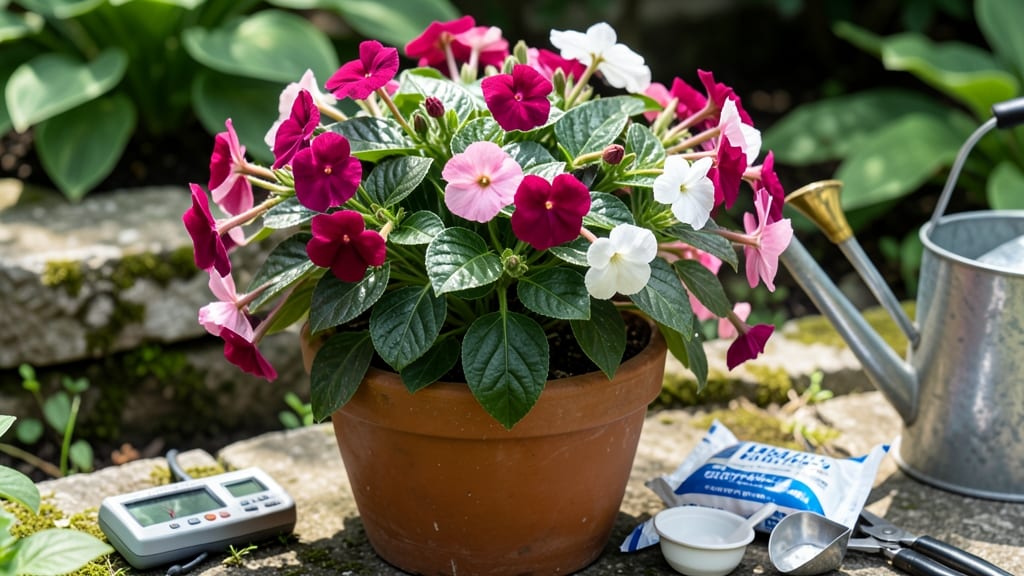
How to get impatiens to bloom—your plants are practically begging for sunlight, yet they’re throwing all their energy into leaves instead of flowers. 🌿 The secret isn’t more water or fancy fertilizers; it’s fixing three common mistakes that block those bright purple showers you crave. I’ve turned my own stubborn impatiens into nonstop bloomers by tweaking just these basics.
Start with bright, indirect light—six hours daily minimum. Too little? They’ll stretch and leaf out. Too much direct sun? They’ll scorch. Next, swap that high-nitrogen fertilizer for a bloom-specific feed (look for 5-10-10 ratios).
Overfeeding nitrogen is the #1 reason impatiens act like leafy green monsters instead of flowering stars. Finally, prune wisely: Snip spent blooms at the base, not just the stem, to encourage new buds.
Within 2-3 weeks, you’ll see the difference: compact plants bursting with flowers instead of leggy stems. Deadhead regularly, keep soil moist (not soggy), and watch those blooms multiply like confetti. The key? Less guesswork, more results—no more waiting months for a single flower.
Works for both container gardens and in-ground plantings. Indoor growers? Boost light with a grow bulb—impatiens need that extra push. Here’s how to make it happen without frustration.
📚 In This Guide
- What you need
- Instructions
- Tips and common mistakes
- Wrapping up and next steps
What you need
- ● Impatiens plants: Start with healthy nursery-grown Impatiens walleriana (garden impatiens) or Impatiens hawkeri (New Guinea impatiens). Aim for 3–5 plants per container (if planting in pots) or 10–12 plants per square foot (for garden beds).
- ● Well-draining potting mix: A high-quality, peat-based or coconut coir blend with perlite or vermiculite (e.g., 50% peat moss, 30% perlite, 20% compost). Avoid heavy garden soil—it causes root rot!
- ● Containers or garden bed: Pots: 6–12 inch diameter (larger pots = more blooms!). Ensure they have drainage holes.
- ● Garden beds: Choose a partially shaded spot with loose, fertile soil.
- ● Balanced fertilizer: A 10-10-10 or 20-20-20 NPK fertilizer (water-soluble or slow-release granules). 1 tbsp per gallon of water for liquid feed, or 1–2 tbsp per plant for granules.
- ○ Phosphorus booster (optional but helpful): A 5-10-10 or 0-10-20 fertilizer (high in phosphorus) to encourage flowering. Use every 2–3 weeks.
- ● Watering can or hose with gentle spray nozzle: Impatiens hate soggy roots—water at soil level to avoid wetting leaves.
- ● Pruning shears or clean scissors: For trimming leggy stems and deadheading spent blooms.
- ○ Mulch (optional): 2–3 inches of shredded bark or pine straw to retain moisture and suppress weeds.
- ● Sunlight: Partial shade (2–4 hours of morning sun or dappled light). Avoid harsh afternoon sun—it scorches leaves!
- ● Temperature: Ideal range: 60–75°F (15–24°C). Protect from frost (below 50°F/10°C kills them).
- ● Humidity: Thrives in 50–70% humidity. Mist leaves lightly on dry days or use a humidity tray.
- ● Consistency: Impatiens are fussy but forgiving—stick to a watering and feeding schedule!
Step-by-Step instructions for encouraging impatiens to bloom
Here's the method I've used to turn struggling impatiens into vibrant, flowering powerhouses—no mystery involved.
💧 Step 1: Master Watering for Consistent Moisture
Impatiens despise dry soil but hate soggy roots even more. Water when the top 1-2 inches of soil feel dry to the touch, which usually means every 2-3 days in warm weather. I use a moisture meter to check—it's the only way to avoid guesswork. Water deeply until it runs out the drainage holes, then let excess drain away completely.
Morning watering is key. It gives roots time to absorb moisture before the heat of the day, and prevents fungal issues that thrive in damp evening soil. If your impatiens' lower leaves yellow and drop, you're either underwatering or overwatering—check the soil moisture before panicking.
☀️ Step 2: Position for Bright, Indirect Light
Impatiens need bright, indirect light to bloom prolifically. A spot with morning sun and afternoon shade works best—think east-facing window or dappled shade under trees. Direct afternoon sun scorches leaves, while too little light leads to leggy growth and sparse flowers.
If your plants stretch toward the light with sparse leaves, they're not getting enough. Rotate the pot quarter-turn weekly so growth stays even. For container plants, move them to a shadier spot if leaves start curling or developing brown patches—this is sunburn in disguise.
✂️ Step 3: Prune Strategically to Encourage Flowers
Deadheading spent blooms isn't just about looks—it tells the plant to redirect energy into new flowers. Pinch off flowers as soon as they fade, using clean scissors or fingers. I also trim back leggy stems to just above a leaf node to encourage bushier growth and more blooms.
Don't cut more than 1/3 of the plant at once—this stresses the impatiens and can halt flowering. After pruning, give the plant a light feeding with a balanced 10-10-10 fertilizer to support new growth. You'll see fresh buds forming within 2-3 weeks of consistent pruning.
🌿 Step 4: Feed Regularly with the Right Fertilizer
Impatiens are heavy feeders, especially when blooming. Use a water-soluble 10-10-10 fertilizer every 2-4 weeks during the growing season. I mix it at half-strength to avoid burning roots—always follow the package directions for dilution.
Look for signs of deficiency: yellowing leaves mean nitrogen deficiency, while purple stems indicate phosphorus shortage. If you notice either, switch to a fertilizer with higher levels of the missing nutrient. Stop fertilizing in late summer to let the plant prepare for dormancy.
🪴 Step 5: Refresh Soil and Containers Seasonally
Impatiens in the same soil for years get nutrient-depleted and compacted. Every spring, I replace the top 2-3 inches of soil with fresh potting mix. For container plants, repot into a slightly larger container if roots are circling the bottom—this gives them room to grow without stress.
If your impatiens stop blooming despite good care, the roots may be bound. Gently loosen any circling roots when repotting, and trim any that are mushy or blackened. This encourages new root growth and revives flowering within 4-6 weeks.
Tips & tricks for perfect impatiens blooms
These simple yet game-changing tricks will help you transform your impatiens from leafy green bushes into vibrant purple blooming powerhouses in no time.
Light Exposure Strategy: The 4-6 hours of morning sun mentioned in Step 1 is critical, but here's what nobody tells you—impatiens actually perform best when they receive filtered light during the hottest afternoon hours. If you notice leaves curling or turning yellow, it's a sign they're getting too much direct afternoon sun. Try placing them under a sheer curtain or moving them to a spot with dappled shade during peak sun hours (around 11 AM to 3 PM). This mimics their natural forest floor habitat and prevents stress that can halt blooming.
Watering Wisdom: The "top inch of soil" test in Step 2 is perfect, but I've found that sticking your finger in the soil isn't always reliable—especially in plastic pots that dry out faster. Instead, I recommend using a moisture meter (they're cheap and game-changing) or the "weight test": lift your pot before watering. If it feels noticeably lighter, it's time to water. This method helps prevent both underwatering and overwatering, which are the two biggest blooming killers for impatiens.
Pruning Precision: When pinching back those top leaves at 6 inches in Step 3, aim to remove about one-third of the plant's height. This might seem drastic, but it triggers the plant to produce multiple side shoots where flowers will form. I like to use my fingernails for small plants and clean scissors for larger ones—just be sure to make cuts at a 45-degree angle to prevent water from pooling on the leaves, which can cause rot.
Fertilizer Fine-Tuning: The 10-10-10 or 20-20-20 fertilizer recommendation in Step 4 is spot-on, but here's my pro tip: if you notice your impatiens producing more leaves than flowers, it's a sign of too much nitrogen. Switch to a bloom-boosting fertilizer with higher phosphorus (like 5-10-5) for 2-3 weeks. You'll see a dramatic increase in flower production within days. Just remember to return to your balanced fertilizer afterward to maintain overall plant health.
Pro Tips for Get Impatiens To Bloom
- These simple yet game-changing tricks will help you transform your impatiens from leafy green bushes into vibrant purple blooming powerhouses in no time.
- Light Exposure Strategy: The 4-6 hours of morning sun mentioned in Step 1 is critical, but here's what nobody tells you—impatiens actually perform best when they receive filtered light during the hottest afternoon hours.
- Watering Wisdom: The "top inch of soil" test in Step 2 is perfect, but I've found that sticking your finger in the soil isn't always reliable—especially in plastic pots that dry out faster.
Frequently asked questions
Got questions about coaxing those vibrant impatiens blooms? You’re not alone! Here’s a quick guide to the most common concerns—because even the best gardeners hit snags along the way.
Why aren’t my impatiens blooming even though they look healthy?
Impatiens may skip blooming if they’re not getting enough light (6+ hours of bright, indirect sun) or if they’re overcrowded. Check for leggy stems or sparse foliage—these are red flags! Prune back leggy growth and move them to a sunnier spot (but avoid harsh afternoon sun). Over-fertilizing with high-nitrogen feed can also delay blooms—opt for a balanced 10-10-10 or bloom-boosting 5-10-5 fertilizer instead.
How long does it take for impatiens to bloom after planting?
With ideal care, impatiens can burst into color in 4–8 weeks after planting. Start with healthy nursery starts or seeds (if starting early indoors). Keep soil moist, fertilize lightly every 2–3 weeks, and pinch back leggy stems to encourage bushier growth. Patience pays off—some varieties like Impatiens walleriana (busy Lizzie) bloom faster than others!
Can I make impatiens bloom again after they’ve finished their first flush?
Deadhead spent blooms regularly to encourage more flowers. For a second bloom, give them a light trim (cut back 1/3 of the plant) and apply a low-nitrogen, high-phosphorus fertilizer (like 5-10-5) to prompt new growth. Also, ensure they’re not in extreme heat or drought—impatiens thrive in consistent moisture (but avoid soggy soil).
What’s the best alternative if impatiens won’t grow in my shady spot?
If your impatiens struggle with too much shade or humidity, try these shade-loving bloomers:
- Begonias (e.g., Begonia semperflorens)
- Fuchsias (drought-tolerant varieties like ‘Giant Marble’)
- Coleus (for foliage color, though not a bloomer)
- Caladiums (great for tropical shade gardens)
Are pests the reason my impatiens aren’t blooming?
Pests like aphids, spider mites, or whiteflies can stress plants, reducing blooms. Check undersides of leaves for sticky residue or tiny webs. Treat with neem oil or insecticidal soap, and rinse plants with water to dislodge pests. Prevention tip: Space plants for airflow and avoid overwatering (which attracts fungus gnats). Healthy leaves = happy blooms!
Still stumped? Drop your impatiens’ growing conditions (light, soil, water) in the comments—we’re happy to help troubleshoot!
Wrapping up and next steps
Getting your impatiens to bloom is all about patience, proper care, and a little extra love! 🌸 By mastering light, water, soil, and nutrients—and pinching back leggy stems—you’ll soon be rewarded with vibrant, cheerful blooms that brighten up any space.
Don’t forget: consistency is key, and every gardener starts somewhere.
Now that you’re armed with these tips, grab your shears and get growing! Try experimenting with a few of these techniques this season and watch your impatiens thrive. Happy gardening! 🌿