
Pests
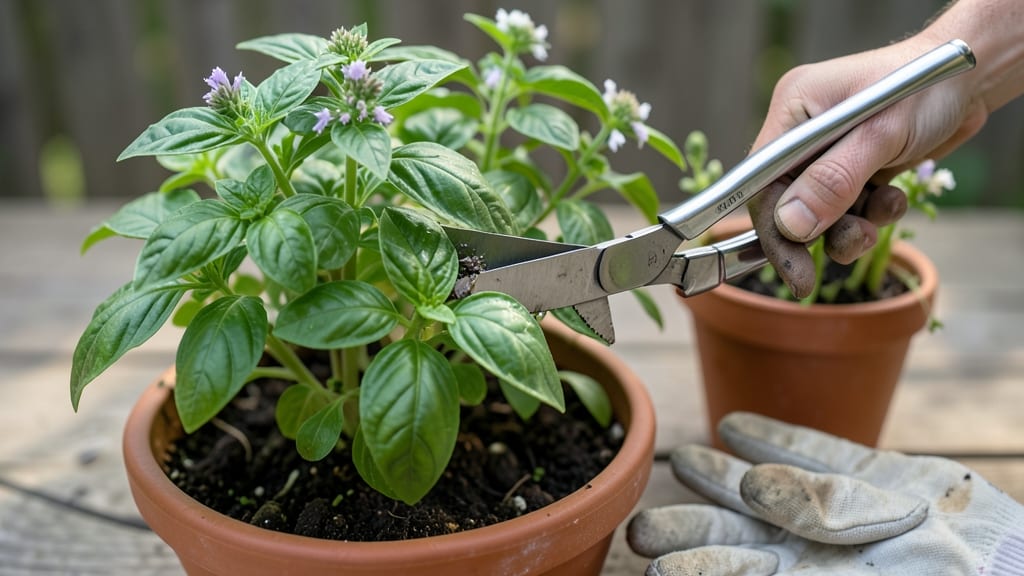
How to get bushy basil isn’t luck—it’s a simple pruning habit. ✂️ My first year growing basil, I harvested leaves until the plant looked like a sad stick. Then I learned the secret: pinching back stems early forces the plant to branch out, creating that thick, leafy bush you crave.
The key is timing and technique. Start pinching when your basil reaches 6 inches tall—just above a leaf pair where new growth will sprout. Repeat every 2-3 weeks to encourage more branches. Too much pruning too late?
You’ll end up with leggy stems instead of lush foliage. Water consistently (keep soil moist but not soggy) and give it 6+ hours of sunlight daily—shady spots slow growth.
By mid-summer, your basil will look like a thick, vibrant bush instead of a single woody stem. The leaves grow larger, the flavor deepens, and you’ll have enough for pesto every week. Even better? Those pinched stems root easily in water—free new plants for friends or your garden.
Common mistakes? Over-pruning (you can’t revive a bare stem) or ignoring yellow leaves (a sign of overwatering). Stick with the routine, and you’ll have basil so bushy, neighbors will ask for cuttings. Ready to transform that sparse plant into a leafy powerhouse?
📚 In This Guide
- What you need
- Instructions
- Tips and common mistakes
- Wrapping up and next steps
What you need
- ● Basil plant: 1 healthy seedling or mature plant (genovese, sweet, or thai basil work best).
- ● Pruning shears or clean scissors: Sharp, sterilized tools to avoid damaging stems.
- ● Well-draining potting soil: 1 bag (1–2 cubic feet) of organic, nutrient-rich mix (e.g., Miracle-Gro Potting Mix).
- ● 6–12 inch pots or garden bed: Containers with drainage holes (or a sunny garden spot).
- ● Watering can or spray bottle: For gentle hydration (avoid soggy soil!).
- ○ Fertilizer (optional but helpful): Balanced liquid fertilizer (e.g., 10-10-10) or compost tea.
- ● Grow lights or sunny windowsill: 6+ hours of direct light daily (south-facing is ideal!).
- ● Plant labels: To track varieties or pruning dates.
- ● Glove or towel: Protects hands from sap (which can irritate skin).
- ● Rooting hormone (for propagation): Speeds up stem growth in water.
Step-by-Step instructions for growing bushy basil plants
Here's how I turn leggy basil into a lush, leafy bush—no fancy tools, just smart pruning.
🌱 Step 1: Identify the Right Time to Pinch
Wait until your basil has 4-6 true leaves—those are the second set after the tiny seed leaves. You'll see them clustered around the stem, larger and darker green. Pinching too early stunts growth; too late and the plant stretches out instead of bush out.
Use clean scissors or your fingers to pinch the stem just above a set of leaves. The goal is to encourage side shoots from the leaf nodes. I like to do this in the morning so the plant has daylight to recover and heal by evening.
✂️ Step 2: Prune for Bushiness (Not Harvesting)
After the first pinch, new side branches will form in 7-10 days. Now you're ready to prune for fullness. Cut back the main stem above another set of leaves, but leave at least 2-3 inches of growth below your cut. This prevents shock and keeps the plant sturdy.
Don't remove more than one-third of the plant at once—this stresses basil. Watch for new growth at the leaf nodes within a week. If you see leggy stems reaching for light, your plant needs more sunlight or a stronger pinch.
🌿 Step 3: Encourage Lateral Growth with Regular Maintenance
Every 2-3 weeks, trim the tips of the outer branches to promote bushiness. Focus on the longest stems first—they'll have the most leaf nodes for new growth. Cut at a 45-degree angle to reduce water pooling on leaves, which prevents fungal issues.
Here's the thing—I never let my basil get flower stalks. As soon as you see those tiny buds forming, snip them off immediately. Flowering signals the plant to stop producing leaves and focus on seeds, which ruins your harvest. You'll know you're doing it right when your plant looks full and round, not tall and sparse.
🪴 Step 4: Propagate Cuttings for More Bushes
When you prune, don't throw away those healthy stems! Place 4-inch cuttings in a glass of water, making sure 2-3 leaf nodes are submerged. Change the water every 3 days to prevent bacteria. Roots will form in 10-14 days—you'll see tiny white tendrils at the nodes.
Once roots reach 1 inch long, transplant into pots with fresh potting mix. These new plants will be just as bushy as your original, and you'll have backup basil if something happens to the main plant. I always keep 2-3 cuttings propagating so I'm never without fresh growth.
☀️ Step 5: Optimize Light and Water for Bushy Growth
Basil needs 6+ hours of direct sunlight daily to stay compact and leafy. If your plant stretches toward the light, it's not getting enough. Move it closer to the window or supplement with a grow light 4-6 inches away. You'll notice leaves turning pale or stems elongating when light is insufficient.
Water when the top inch of soil feels dry. Overwatering causes root rot, which weakens the plant and makes it less bushy. I like to water at the base in the morning so leaves dry quickly—wet foliage invites pests and diseases that stress the plant.
Tips & tricks for perfect bushy basil
Here's what nobody tells you about keeping your basil thriving—these tricks make all the difference between scraggly stems and a lush, leafy bush.
Timing is Everything: When you pinch off those flower buds in Step 1, do it consistently every 2-3 weeks during the growing season. I've learned the hard way that skipping this schedule leads to leggy plants. The key is to always pinch just above a set of leaves—this signals the plant to branch out instead of growing tall. Watch for those new side shoots appearing within 5-7 days as your plant responds to the pruning.
Pruning Technique: In Step 2, when you're cutting back stems, make sure to use clean scissors or pruning shears to avoid tearing the stems. I like to prune in the morning because it gives the cuts all day to heal before nightfall. This simple timing trick helps prevent disease and keeps your basil healthy. After pruning, always water the base of the plant—this helps it recover faster and encourages new growth within 7-10 days.
Propagating Success: When you're propagating cuttings in Step 3, make sure to submerge 2-3 nodes in water. I've found that keeping the glass in bright, indirect light is crucial for root growth. Change the water every 2-3 days to prevent bacteria buildup, and you'll see tiny roots forming within 1-2 weeks. Once the roots reach about 1 inch long, transplant them into fresh potting mix—this gives you free basil plants to share or expand your garden.
Light and Water Wisdom: In Step 4, remember that basil thrives in 6+ hours of sunlight daily. If your basil starts looking leggy, it might be getting too much shade. Move it to a sunnier spot or use a grow light to supplement. When watering, focus on the base and avoid wetting the leaves to prevent fungal diseases. Water when the top 1 inch of soil feels dry—this keeps the soil moist but not soggy, which is key for strong, bushy growth.
Pro Tips for Get Bushy Basil
- Here's what nobody tells you about keeping your basil thriving—these tricks make all the difference between scraggly stems and a lush, leafy bush.
- Timing is Everything: When you pinch off those flower buds in Step 1, do it consistently every 2-3 weeks during the growing season.
- Pruning Technique: In Step 2, when you're cutting back stems, make sure to use clean scissors or pruning shears to avoid tearing the stems.
Frequently asked questions
Got questions about growing bushy, vibrant basil?
You’re not alone! Here are answers to the most common concerns—from pruning to pests and everything in between.
How often should I pinch basil to keep it bushy?
Pinch basil every 2–4 weeks when it reaches 6–8 inches tall. Focus on the top sets of leaves to encourage branching. Over-pinching can stress young plants, so start gently!
What’s the best time of day to prune basil?
Prune in the morning (6–9 AM) when leaves are dry. This gives plants time to recover before evening heat or dew. Avoid pruning at night—it can invite fungal issues.
Why is my basil turning yellow or wilted after pruning?
Yellowing or wilting often signals over-pruning or underwatering. If you’ve trimmed more than ⅓ of the plant at once, scale back. Keep soil moist (not soggy) and avoid pruning during heatwaves.
Can I use basil cuttings from the grocery store to grow a bushy plant?
Yes! Place stems in water (2–3 inches submerged) and change the water every 2 days. Roots should appear in 1–2 weeks. Transplant once rooted, but avoid grocery-store basil treated with preservatives—opt for organic when possible.
How do I protect basil from pests like aphids or spider mites?
Spray plants with a soapy water mix (1 tsp mild soap per quart of water) or introduce ladybugs for natural pest control. Keep basil healthy with proper pruning—stressed plants attract pests.
Can I grow bushy basil indoors year-round?
Place basil near a south-facing window (6+ hours of light) or use a grow light. Rotate the pot weekly for even growth. Indoor basil thrives in 60–75°F temps—avoid drafts!
Wrapping up and next steps
Growing bushy basil is all about consistency—pinch those tips, prune regularly, and propagate wisely! With the right care, your plant will reward you with lush, vibrant leaves perfect for cooking or gifting. 🌿✨
Now that you’re armed with tips, roll up your sleeves and give your basil the love it deserves. Start today—your next fresh pesto feast (or a thriving plant swap) is just a few weeks away! 🍃💚