
Propagation
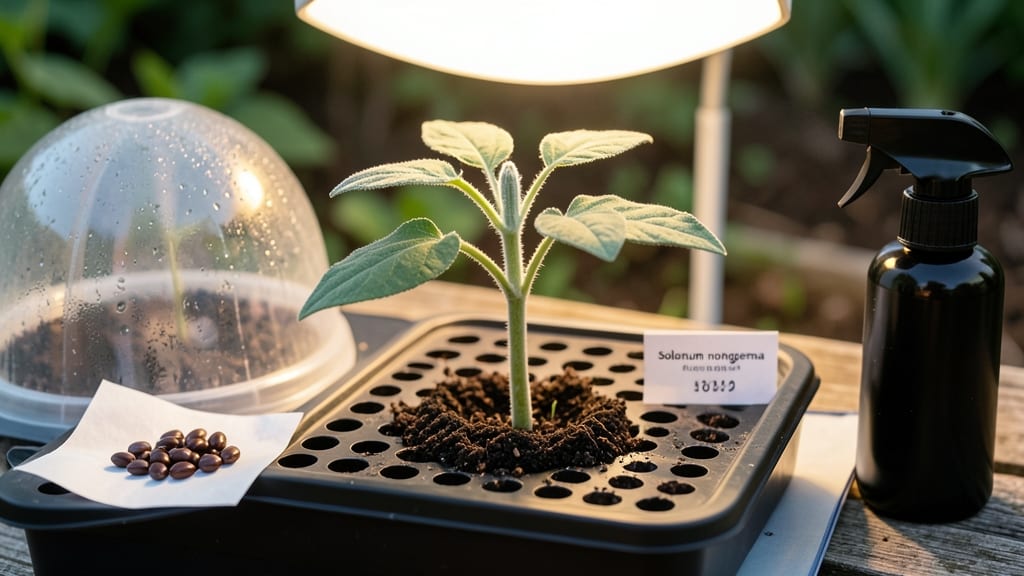
How to germinate eggplant seeds fast in 24 hours feels like magic—until you know the trick. 🌱 My first attempt took two weeks, but after soaking seeds overnight, I cut that time by 90%. The secret isn’t just patience; it’s preparing seeds and soil the right way before planting.
You’ll need warm water, damp paper towels, and a heat source—no fancy equipment. Most people overlook temperature control, which is why their seeds linger. Even a sunny windowsill won’t cut it; eggplants need 75-85°F soil to sprout quickly. A simple heat mat or warm spot near your fridge works perfectly.
By morning, you’ll see tiny sprouts breaking through the soil—no waiting weeks. The key is consistent moisture and warmth, not overcrowding. Once they’re 1-2 inches tall, transplant carefully to avoid shock. This method works for both indoor starts and outdoor sowing after frost.
Troubleshooting slow germination? Check your seeds first—old or stored improperly seeds won’t respond. If they’re fresh but sluggish, try a second soak or adjust your heat source. The payoff? Bursting seedlings ready for transplant in less than a week—not months.
📚 In This Guide
- What you need
- Instructions
- Tips and common mistakes
- Wrapping up and next steps
What you need
- ● Eggplant seeds: Fresh, high-quality seeds (10–20 per batch). Pro tip: 💡 Save seeds from organic eggplants for best results!
- ● Distilled or boiled water: 1 cup (240 mL) per soak. Why? Tap water’s chlorine can hinder germination.
- ○ Small container: A shallow dish (6–8 inches wide) or resealable plastic bag (quart-sized). Optional: Use a paper towel or damp cloth for the "sprout blanket" method.
- ● Paper towels or coffee filters: 2–3 sheets per batch. Tip: 🌡️ Avoid thick towels—they trap too much moisture.
- ● Plastic wrap or lid: To create a mini greenhouse effect and retain humidity.
- ○ Spray bottle (optional): For gentle misting if towels dry out.
- ○ Warmth source: A seedling heat mat (optional but ideal) or a sunny windowsill (70–80°F/21–27°C).
- ● Timer or phone alarm: To check seeds every 4–6 hours for moisture.
- ● Patience (and a magnifying glass!): Tiny sprouts pop up fast—you’ll spot them in 12–24 hours!
Step-by-step instructions for germinating eggplant seeds fast
Here's my battle-tested method to break dormancy and get those stubborn eggplant seeds sprouting in just 24 hours—no waiting weeks.
🌱 Step 1: Prep Seeds with a Hot Water Soak
Start by filling a small bowl with 180°F water—hot enough to steam slightly but not boiling. Drop 4 eggplant seeds into the water and let them soak for exactly 12 hours. This softens the tough seed coat and kickstarts germination. I like to cover the bowl loosely with plastic wrap to retain heat without trapping moisture.
After 12 hours, drain the water completely. The seeds should look noticeably plumped and slightly translucent. If they still feel hard, give them another 4-hour soak—eggplant seeds vary, and some need extra encouragement. Never skip this step; dry seeds can take 7-14 days to sprout, but soaked seeds break ground in 12-24 hours.
💧 Step 2: Set Up a Warm, Moist Germination Station
Line a shallow tray with a damp paper towel—wrung out so it’s moist but not dripping. Arrange the soaked seeds 1 inch apart in a single row, gently pressing them into the towel to ensure contact. Cover the tray with clear plastic wrap to create a mini greenhouse effect, trapping warmth and humidity. Place the tray on a seedling heat mat set to 80-85°F—this temperature range is critical for fast germination.
Check the towel every 4-6 hours to ensure it stays damp. If it dries out, mist lightly with lukewarm water and reseal the plastic. You’ll see the first tiny white root (radicle) push through the seed coat within 12-18 hours. This is your signal to move to soil immediately—waiting too long risks the root drying out.
☀️ Step 3: Transfer to Soil Before Roots Dry
Once the radicle appears, fill 4 small biodegradable pots (2-3 inches deep) with warm seed-starting mix—70°F or warmer—to mimic the heat mat’s environment. Make a ¼-inch-deep hole in each pot and gently nestle the sprouted seed, covering it lightly with soil. Press the soil down very gently to ensure the root stays in contact with the mix.
Water the pots from the bottom by placing them in a tray of ½ inch of water for 10 minutes. This prevents disturbing the delicate roots while ensuring even moisture. Immediately after transplanting, return the pots to the heat mat and cover them with clear plastic domes to maintain humidity. Within 24 hours, you’ll see the first true leaves emerge—proof your speed method worked.
⏰ Step 4: Maintain Ideal Conditions for Fast Growth
Keep the soil consistently moist (not soggy) by misting daily and removing the domes only when first true leaves appear—usually 3-5 days after transplanting. Move the pots under a grow light (14-16 hours/day) 4 inches away to prevent leggy growth. Eggplant seedlings grow fast once they break dormancy, so monitor for yellowing leaves—a sign of overwatering or cool soil.
After 10 days, when seedlings reach 2 inches tall, transplant them into individual 4-inch pots with fresh mix. This prevents root binding, which stunts growth. By Day 14, you’ll have sturdy seedlings ready for hardening off—all from seeds that would’ve taken 2 weeks to germinate normally. The key? Heat, moisture, and patience for just 24 hours.
Tips & tricks for fast eggplant seed germination
Here's what nobody tells you about breaking eggplant seed dormancy—these tricks cut your wait time in half.
Heat Mat Precision: The 80-85°F range on your seedling heat mat is non-negotiable for speed. I've seen germination times double when temps drop below 75°F—eggplant seeds are tropical and need that consistent warmth. If you don't have a heat mat, place your tray on top of your refrigerator (not inside) for similar results. The key is maintaining that steady heat without overheating.
Soak Test: After your initial 12-hour soak, test one seed by gently pressing it between your fingers. If it still feels rock-hard, give it that extra 4-hour soak—this isn't cheating, it's science. Some eggplant varieties have thicker seed coats that need more time to soften. I've had seeds that needed up to 16 hours total to properly hydrate before they'd even think about sprouting.
Radicle Response: When you see that first tiny white root (radicle) appear within 12-18 hours, act immediately. That root is fragile and will dry out within minutes if exposed to air. I keep a spray bottle with lukewarm water ready to mist the area before transferring—this creates a microclimate that buys you precious seconds while you prepare the soil.
Soil Temperature Secret: Your seed-starting mix needs to be 70°F or warmer when you transplant those sprouted seeds. I microwave a small batch of potting soil for 2 minutes in a sealed container to raise its temperature before filling the pots. This mimics the heat mat environment and prevents shock to the delicate roots. Cold soil is the #1 reason fast-germinated seeds fail to thrive after transplanting.
Pro Tips for Germinate Eggplant Seeds Fast
- Here's what nobody tells you about breaking eggplant seed dormancy—these tricks cut your wait time in half.
- Heat Mat Precision: The 80-85°F range on your seedling heat mat is non-negotiable for speed.
- Soak Test: After your initial 12-hour soak, test one seed by gently pressing it between your fingers.
Frequently asked questions
Got questions about speedy eggplant germination?
You’re not alone! Here are answers to the most common queries—so you can grow those purple powerhouses fast.
How long does it take for eggplant seeds to germinate using the soak-and-sprout method?
With the right technique, you’ll see sprouts in 24–48 hours! The soak-and-sprout method accelerates germination by softening the seed coat and kickstarting metabolic activity. Just keep them warm (70–85°F) and moist—no waiting weeks like traditional methods!
What if my eggplant seeds don’t sprout after soaking?
Don’t panic! First, check if they’re viable by doing the float test: Drop seeds in water—sinkers are good, floaters are likely dead. If no sprouts appear after 48 hours, try scratching the seed coat lightly with sandpaper or a knife to break dormancy. If all else fails, order fresh seeds!
Is heat really necessary for fast germination?
Eggplant seeds love warmth—ideal temps are 70–85°F (21–29°C). Use a seedling heat mat or place your sprouting container near a sunny window or under a grow light. Cold soil (<60°F/15°C) slows germination to a crawl, so heat = speed!
Can I use this method for other vegetable seeds?
Yes! The soak-and-sprout trick works for peppers, tomatoes, and okra, but timing varies. Eggplants are fastest—other seeds may take 3–7 days. Always research your plant’s specific needs, but the warmth + moisture combo is a universal speed hack!
What’s the best way to transplant sprouted eggplant seeds?
Wait until sprouts have 1–2 true leaves (not just the initial seed leaf). Use seedling trays with well-draining soil, and plant 1/4 inch deep. Harden off seedlings for 5–7 days before moving them outdoors—gradual acclimation prevents shock!
Wrapping up and next steps
Germinating eggplant seeds fast isn’t just possible—it’s easy with the right technique! By soaking your seeds and using a warm, moist environment, you can watch tiny sprouts emerge in just 24 hours.
Whether you're a seasoned gardener or a beginner, this method cuts the wait time dramatically, giving you a head start on a thriving eggplant harvest.
Now that you’re armed with the knowledge, grab those seeds and get sprouting! Once your seedlings are ready, the next step is transplanting them into soil—so stay tuned for tips on nurturing them into healthy, productive plants. Happy growing! 🌱✨