
Blooming
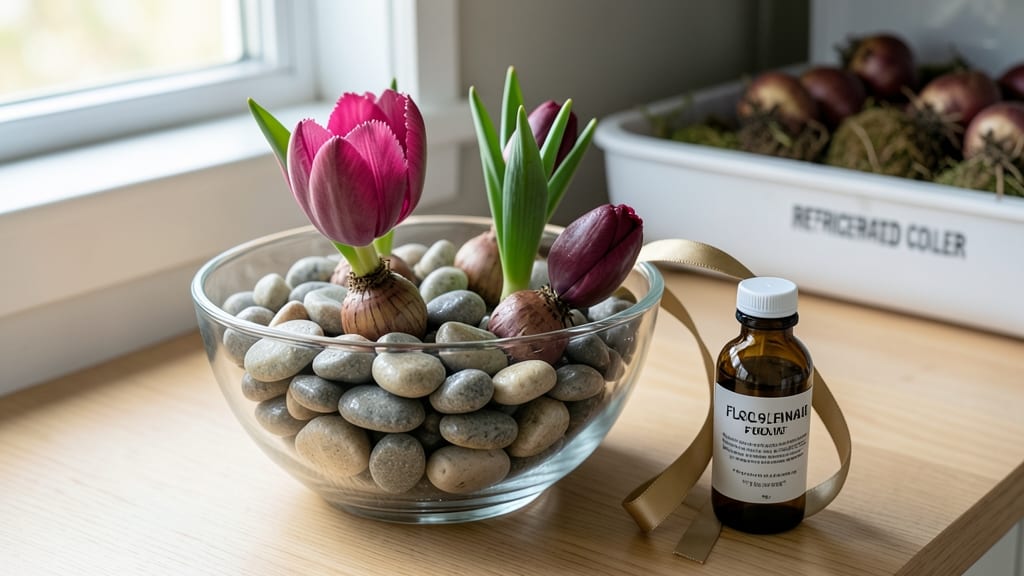
How to force tulips in February is easier than you think—your kitchen table can burst into color mid-winter with just a few simple steps. Forcing tulips turns winter doldrums into a vibrant show of early blooms, requiring no greenhouse or special skills. The secret lies in tricking bulbs into thinking spring has arrived when it hasn’t yet. You'll need tulip bulbs (preferably species types like Tulipa greigii or Tulipa kaufmanniana), pots with drainage, potting mix, and a dark, cool spot for 12-16 weeks of chilling. The process mimics nature's timing perfectly, with blooms appearing just as outdoor gardens are waking up. Once the bulbs have chilled, move them to bright light and watch stems emerge within 2-3 weeks. Each bloom lasts about a week, filling your home with that unmistakable tulip fragrance—like a preview of spring's arrival. Works for any indoor space, from sunny kitchens to north-facing living rooms. Here's exactly how to time it right for your zone.
📚 In This Guide
- What you need
- Instructions
- Tips and common mistakes
- Wrapping up and next steps
What you need
- ● Tulip bulbs: 3–5 healthy, firm bulbs (choose varieties like Parrot, Darwin Hybrid, or Double Late for best results).
- ● Forcing container: Option 1: A wide, shallow bowl (e.g., ceramic or glass, 6–8 inches deep).
- ● Option 2: A paper bag (brown kraft paper, 12x18 inches or larger).
- ● Option 3: A small pot (4–6 inches wide) with drainage holes.
- ● Pebbles or gravel: 1–2 cups (small, smooth stones or marbles for drainage).
- ● Water: Room-temperature (avoid cold tap water).
- ○ Newspaper or paper towels: Enough to line your container (optional but helpful for moisture control).
- ● Dark, cool space: A garage, basement, or fridge (maintain 35–45°F for 8–12 weeks).
- ● Chalk or marker: To label your bulbs (if forcing multiple varieties).
- ● Spray bottle: For gentle misting if using a paper bag method.
- ● Grow lights: If your space lacks natural light for the final blooming stage.
- ● Floral preservative: A few drops in water to extend vase life once bloomed.
Step-by-step instructions for forcing tulips indoors
Here's how to coax tulips into early bloom—no greenhouse needed, just patience and the right timing.
Select and Prepare the Right Bulbs
Choose large, healthy tulip bulbs (at least 2 inches in diameter) from a reputable supplier. Smaller bulbs won’t force reliably, and diseased ones will rot in the pot. I always pick Darwin Hybrid or Parrot tulips—they’re the most forgiving for beginners. Store them in a cool, dark place (like a basement) until you’re ready to start, which is typically 8-10 weeks before your target bloom date.
Fill a container with well-draining potting mix—regular garden soil is too heavy and will suffocate roots. I use a mix of 50% potting soil and 50% perlite for the best results. Plant the bulbs 6 inches deep, with the pointed end facing up. Space them 2 inches apart so roots have room to spread without competing. Water lightly after planting to settle the soil, but don’t soak it—you want the mix damp, not soggy.
Simulate Winter Conditions for 12-16 Weeks
Place the potted bulbs in a dark, cool spot where temperatures stay between 35-45°F. A garage, unheated basement, or even a refrigerator works—just avoid areas with fluctuating temps or drafts. This chilling period mimics winter and triggers the blooming process. I keep mine in a cardboard box with a few holes for airflow, tucked away from any heat sources.
Check the bulbs every 2-3 weeks to ensure the soil stays lightly moist. Overwatering now will cause rot, so only add water if the top inch feels dry to the touch. You won’t see any growth yet—that’s normal. The key is consistency: 12-16 weeks of steady cool, dark conditions sets the stage for those first shoots to appear.
Transition to Light and Warmth
After the chilling period, move the pots to a bright, cool spot (around 60-65°F) with indirect light. A north-facing windowsill or under a grow light works best. Avoid direct sunlight, which can scorch the delicate stems. You’ll notice the first green shoots within 1-2 weeks—this is your signal that the forcing process is working.
Increase watering slightly now, keeping the soil evenly moist but not waterlogged. The bulbs are drawing up nutrients rapidly to support the emerging stems. If the stems grow too tall too quickly, they’ll flop over. To prevent this, I place a small pebble or a toothpick next to each stem as it emerges—this gives them support without disturbing the roots.
Encourage Blooming with Proper Care
Once the stems reach 4-6 inches tall, you can gradually introduce more light, but avoid placing them in direct sun yet. The blooms will open fully in 1-2 weeks, depending on the variety. To prolong the display, move the pot to a cooler spot (like a basement) once the flowers fade—this tricks the bulbs into thinking winter is returning, and they’ll often rebloom.
After the tulips finish blooming, let the foliage die back naturally. This process returns nutrients to the bulb for next year. You can compost the bulbs after they’ve fully yellowed, or replant them in the garden for a surprise outdoor show the following spring. Either way, you’ve just unlocked a winter blooming hack that’s simpler than it sounds!
Tips & tricks for perfect forced tulips
Here's what nobody tells you about forcing tulips—these tricks make all the difference between hopeful waiting and stunning blooms.
Bulb Selection Matters: The 2-inch minimum size is critical because smaller bulbs often don't have enough stored energy to force properly. I've tried forcing smaller bulbs, and they either produce weak stems or never bloom at all. Look for firm, dry bulbs without soft spots or mold—these are your best bet for reliable results. Darwin Hybrid and Parrot tulips are particularly forgiving for beginners because they tolerate the forcing process better than fussy varieties.
Temperature Consistency is Key: Maintaining that 35-45°F range is more important than you might think. I once tried forcing bulbs in a garage that fluctuated between 40°F and 55°F, and the stems grew leggy and weak. Use a thermometer if you're unsure about your space's temperature. Even small variations can disrupt the bulbs' natural dormancy cycle, delaying or preventing blooms. If your space runs warmer, consider using a refrigerator with a crisper drawer—just make sure there's good airflow.
Light Transition Strategy: When you move the bulbs to light after the chilling period, do it gradually. I've seen stems get sunburned when moved too quickly from darkness to bright windows. Start with just a few hours of indirect light the first day, then increase by an hour or two each subsequent day. This gradual adjustment helps the stems strengthen naturally. Once you see those first green shoots, you can increase the light exposure more quickly, but always avoid direct sunlight until the stems are at least 4 inches tall.
Pro Tips for Force Tulips
- Here's what nobody tells you about forcing tulips—these tricks make all the difference between hopeful waiting and stunning blooms.
- Bulb Selection Matters: The 2-inch minimum size is critical because smaller bulbs often don't have enough stored energy to force properly.
- Temperature Consistency is Key: Maintaining that 35-45°F range is more important than you might think.
Frequently asked questions
Got questions about forcing tulips? You’re not alone—this process can feel like magic, but a little guidance makes all the difference. Here are answers to the most common queries to help you bloom success!
Why do tulips need a cold period to force?
Tulips are perennial plants that naturally bloom in spring after winter’s chill. Forcing tricks them into thinking winter’s passed by exposing them to cold (like refrigeration), then warmth (like your home). Without this cold stratification, they’ll stay dormant or grow weak stems. Think of it as a reset button for their blooming cycle!
How long should I refrigerate forced tulips?
Most tulip varieties need 12–16 weeks in the fridge (35–40°F) to mimic winter. Check your bulb’s packaging for specifics—some hybrids may require longer. Pro tip: Set a reminder! Over-chilling can harm them, while under-chilling may delay blooms. Consistency is key.
Can I force tulips from a grocery store?
Yes, but with a caveat: store-bought tulips are often pre-treated for vase life, not forcing. They may bloom sooner (3–4 weeks) but with shorter stems. For bigger, longer-lasting blooms, opt for bulbs labeled “forcing” or grow your own from specialty bulbs. It’s worth the wait!
What if my forced tulips wilt or droop?
Don’t panic! Drooping can mean thirst (check soil moisture), heat stress (keep them away from direct sun), or overcrowding (thin stems if packed). Trim wilted blooms to redirect energy, and move them to a cooler spot. Most recover in 24–48 hours. If stems feel mushy, it might be rot—act fast to save the bulb!
Can I force tulips in water instead of soil?
The water-forcing method is perfect for small spaces or instant blooms. Place bulbs in a jar with pebbles (to hold them upright) and water, then refrigerate. Change water weekly. Just know stems will be shorter (6–12 inches) and blooms may last half as long as soil-grown ones. Great for table centerpieces!
Can I reuse forced tulips after they bloom?
Unfortunately, no—forced tulips are one-and-done. After blooming, their energy is spent. However, you can plant them outdoors after forcing (if your climate allows) and enjoy future blooms in spring. Just wait until after the last frost and give them full sun. It’s like giving them a second chance!
Wrapping up and next steps
Forcing tulips is a simple yet rewarding way to bring a splash of early spring color into your home during the coldest months! 🌸 With just a few bulbs, a little patience, and the right technique, you can enjoy vibrant blooms weeks before they’d naturally appear outside.
Whether you’re a gardening novice or a seasoned pro, this method proves that beauty can bloom indoors with minimal effort.
Now that you’re armed with the know-how, grab those tulip bulbs and get creative! Try experimenting with different containers or even gifting forced tulips to brighten someone’s day. Your winter just got a whole lot prettier—happy forcing! 🌟