
Container Gardens
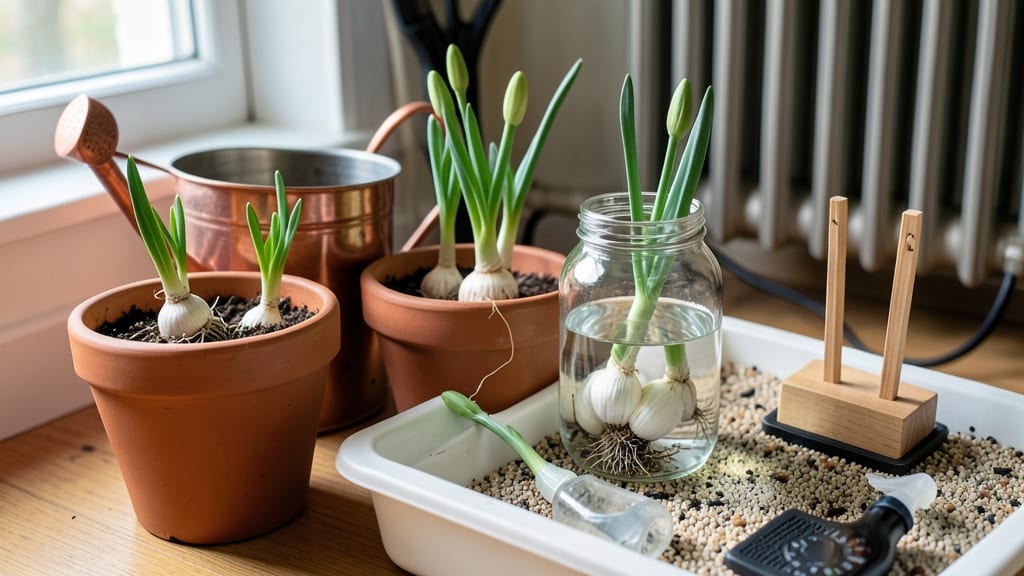
How to force daffodil bulbs indoors delivers sunlit blooms when snow still clings to the ground. 🌱 I've learned the secret to coaxing those cheerful yellow trumpets indoors—it's all about mimicking winter's chill followed by gentle warmth. The first step? Choosing the right bulbs and containers, because this isn't just about patience—it's about creating the perfect conditions for nature's timing.
You'll need just a few simple supplies: a container with drainage, well-draining potting mix, and bulbs that haven't been forced before. The magic happens over 6 weeks—first a cold period to trick the bulbs into thinking winter's passed, then warmth to trigger blooming.
Watering gets tricky too; too much drowns them, too little stunts growth. I've killed more bulbs than I'd like to admit by getting this wrong.
By week 4, you'll see green shoots pushing through the soil, and by week 6, those classic daffodil trumpets will appear right on your kitchen table. The scent alone—fresh, citrusy, and unmistakably spring—makes every careful step worth it.
These aren't just flowers; they're a promise that spring is coming, even when it feels far away.
Once they bloom, you can enjoy them for a week or two before they fade—but don't toss them out. With proper care, you can transplant them outdoors after last frost for a second life in your garden.
The whole process teaches you how to work with nature's rhythms rather than against them. Here's how to get started without the guesswork.
📚 In This Guide
- What you need
- Instructions
- Tips and common mistakes
- Wrapping up and next steps
What you need
- ● Daffodil bulbs: 3–5 healthy, firm bulbs (choose early-blooming varieties like Narcissus 'Tête-à-Tête' or 'Ice Follies' for best results).
- ● Well-draining potting mix: 1–2 gallons of a lightweight, gritty mix (e.g., 50% peat moss or coconut coir + 50% perlite or coarse sand). Avoid garden soil—it’s too dense!
- ● Pot or container: Minimum 6-inch diameter (for 3 bulbs) or 8-inch diameter (for 5 bulbs).
- ● Must have drainage holes (or drill them yourself!).
- ○ Optional: A shallow dish or saucer to catch excess water.
- ● Watering can or spray bottle: With a fine rose nozzle for gentle hydration.
- ● Cooling environment: A dark, cool space (35–45°F / 2–7°C) for the first 10–12 weeks (e.g., refrigerator crisper drawer, unheated garage, or basement).
- ● Pro tip: If using a fridge, place bulbs on a ventilated shelf (not near produce—ethylene gas can harm them!).
- ● Gravel or pebbles: 1–2 inches for the pot’s bottom layer to improve drainage.
- ● Mulch or moss: To cover bulbs and retain moisture during the chilling phase.
- ● Grow lights: A full-spectrum LED bulb (6–8 inches above bulbs) for 12–14 hours/day once moved to a bright spot.
- ● Decorative elements: Pebbles, moss, or a small decorative pot for a show-stopping centerpiece!
Step-by-step instructions for forcing daffodil bulbs indoors
Here's how I get vibrant daffodils blooming on my kitchen table by early spring—no greenhouse needed.
🪴 Step 1: Select and Prepare the Bulbs
Pick firm, plump daffodil bulbs—avoid any with soft spots or mold. I choose paperwhite daffodils for forcing because they're reliable, but any hardy variety works. Remove any dried outer skins, then place the bulbs in a shallow container with pebbles or moistened sand (about 1 inch deep). The bulbs should sit half-buried, with their points facing upward.
This pebble layer is critical—it mimics natural conditions and prevents rot while allowing airflow. If you skip this, bulbs can overheat or develop fungus. Water lightly just enough to moisten the pebbles, then cover the container loosely with plastic wrap or a bag. Store in a dark, cool place (like a basement or garage) where temperatures stay between 35-45°F for 8-12 weeks. That’s your chilling period—the longer, the better for blooms.
🌱 Step 2: Encourage Root Growth in Darkness
After 8-12 weeks, your bulbs should have 1-2 inch roots peeking through the pebbles. This is your cue to move them to a bright, cool spot (around 50-55°F). I use a sunny windowsill or under a grow light for 12-14 hours daily. Keep the pebbles moist but never soggy—water when the top feels dry to the touch.
You’ll notice tiny green shoots within 1-2 weeks. This is when the magic happens: the bulbs are waking up from dormancy. If roots look sparse, add a weak fertilizer solution (half-strength) to encourage growth. Avoid overwatering now—bulbs rot faster than they grow.
☀️ Step 3: Bring On the Light for Blooms
Once shoots reach 3-4 inches tall, it’s time to move them to full light. Place the container where they’ll get 6+ hours of bright light daily—a south-facing window or under cool-white LED grow lights (keep them 6-8 inches away). You’ll see leaves unfurl quickly, followed by flower buds in 2-3 weeks. This is the payoff phase—patience here ensures stunning blooms.
Rotate the container quarter-turn daily so stems grow straight. If buds look droopy, they need more water (but never let them sit in water). The goal is plump, perky blooms—not wilted stems. Once flowers open, enjoy them for 5-7 days before they fade naturally.
⏰ Step 4: Extend Blooms and Plan Ahead
To prolong blooms, keep the container in bright light and water consistently. Once flowers fade, you can plant bulbs outdoors in fall (they’ll bloom again next year!) or force another batch from new bulbs. I always save a few for next season—just replant them after blooms die back.
Here’s the thing—forced daffodils won’t rebloom indoors, but they make incredible gifts or early-season cheer. For best results, start a second batch 4 weeks later to stagger blooms. And if you love this, try tulips or hyacinths—they force just as easily!
Tips & tricks for perfect indoor daffodil forcing
These little tricks will help you coax those cheerful blooms indoors without the guesswork.
Chilling Precision: That 8-12 week chilling period at 35-45°F is non-negotiable for paperwhite daffodils. I use a refrigerator set to 38°F (the crisper drawer works perfectly) and store them in a sealed container with a bit of ventilation. The key is consistency—fluctuating temps can shock the bulbs and delay blooming. If your home stays above 50°F, this is your only reliable option.
Root Check: After those 8-12 weeks, don't rush to move your bulbs just because you're excited! Wait until you see 1-2 inch roots clearly visible through the pebbles. I test by gently lifting a bulb—if roots resist, they're ready. Moving too soon stresses the bulbs and can stunt growth. If roots are sparse after 12 weeks, extend the chilling period by another 2 weeks.
Light Transition Strategy: When moving bulbs to light in Step 2, I gradually increase exposure over 3-4 days. Start with just 2 hours of light the first day, then add 2 more each subsequent day until reaching 12-14 hours. This mimics natural spring conditions and prevents shock. For grow lights, I use cool-white LEDs on a timer—cheap and effective for forcing. Position them 6-8 inches above the bulbs for even growth.
Watering Wisdom: The pebbles should stay moist but never soggy—think of a wrung-out sponge. I use a spray bottle to mist the pebbles every 3-4 days during the chilling phase, then switch to bottom-watering once shoots appear. Overwatering is the #1 killer of forced bulbs—it causes rot before blooms even appear. If the top inch of pebbles feels dry, that's your cue to water.
Pro Tips for Force Daffodil Bulbs Indoors
- These little tricks will help you coax those cheerful blooms indoors without the guesswork.
- Chilling Precision: That 8-12 week chilling period at 35-45°F is non-negotiable for paperwhite daffodils. I use a ref...
- Root Check: After those 8-12 weeks, don't rush to move your bulbs just because you're excited! Wait until you see 1-2...
Frequently asked questions
Got questions about forcing daffodil bulbs indoors? You’re not alone! Here are answers to the most common concerns—from timing to troubleshooting—so you can enjoy those bright blooms without stress.
When is the best time to start forcing daffodil bulbs indoors?
For optimal results, plant your bulbs 8–10 weeks before your target bloom date (typically mid-to-late winter). This gives them enough time to root and sprout before flowering. Pro tip: Mark your calendar!
Can I force daffodil bulbs in water instead of soil?
Yes! Place bulbs in a shallow container (like a bowl) with pebbles and water, keeping the neck exposed. Change the water weekly to prevent rot. However, soil forcing yields stronger, longer-lasting blooms—so it’s best for serious gardeners.
Why aren’t my daffodil bulbs sprouting after forcing?
Common culprits: too much light (they need darkness to root), overwatering (bulbs rot), or cold temps (keep them at 40–50°F for 8–10 weeks first). Check your setup and be patient—some bulbs take weeks to break dormancy.
How long will forced daffodils last in a vase?
With proper care, cut stems will last 5–7 days in a vase. To extend their life: Trim stems at an angle, change the water every 2 days, and keep them in a cool spot (like a garage) overnight.
Can I reuse forced daffodil bulbs for next year?
Unfortunately, no. Forcing depletes the bulb’s energy, and they won’t rebloom. But save the seeds (if any) or plant them outdoors after flowering—they may naturalize and return in future springs!
Wrapping up and next steps
Forcing daffodil bulbs indoors is a rewarding way to welcome early spring cheer into your home—no green thumb required! 🌼 With just a few simple steps, you’ve got everything you need to coax vibrant blooms in as little as six weeks.
The key is patience, consistency, and a little TLC for your bulbs.
Now that you’re armed with the know-how, why not try it this weekend? Grab your bulbs, pick a sunny spot, and enjoy the magic of spring arriving early.
And if you love the results, share your blooms on social media—tag us for a chance to be featured! Happy forcing! 💐