
How To
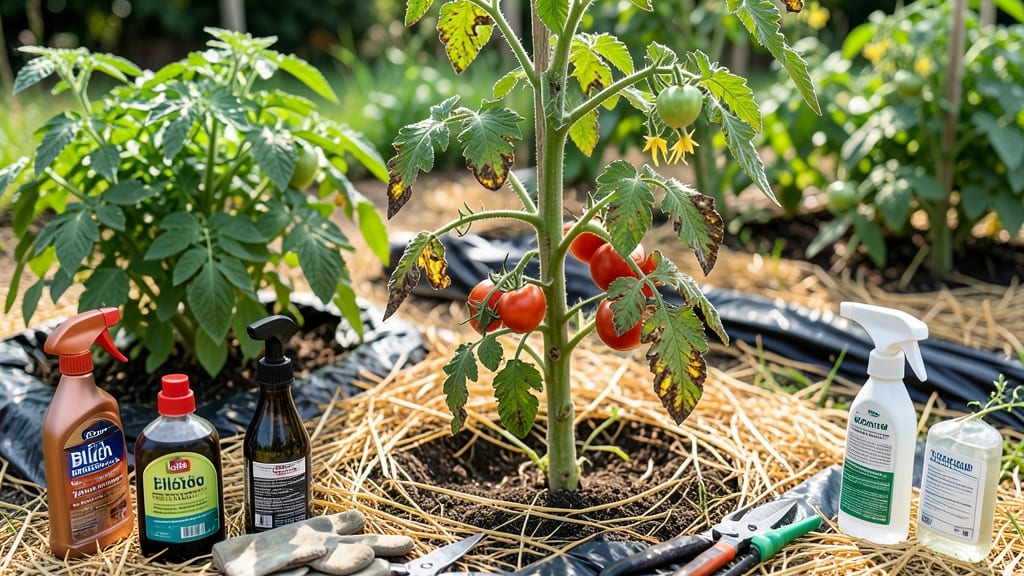
How to fix tomato blight ruins harvests faster than you can say "late summer." 🌱 I've lost entire plants to those telltale brown spots—until I discovered neem oil's secret weapon status for stopping fungal spread in its tracks. The key isn't just spraying; it's creating a protective barrier that smothers spores before they take hold.
Most people wait until they see the first leaves curling before acting—that's when blight wins. Instead, I start with a preventive barrier spray every 7-10 days once temperatures hit 75°F, using neem oil mixed with baking soda and a drop of dish soap.
The combination sticks to leaves longer than plain neem, creating that crucial protective film. You'll notice new growth staying crisp and disease-free within 3-5 days of consistent applications.
What actually changes is how your plants look mid-season: no more yellowing leaves or fruit rotting on the vine. The neem barrier works best when paired with removing infected foliage immediately (don't compost it!) and spacing plants properly for airflow.
Even my most blight-prone heirloom tomatoes now produce full harvests when I start this routine early.
This works for both early and late blight, though late blight requires more frequent sprays during rainy periods. The real game-changer? Healthy soil prevents blight from gaining a foothold in the first place—so we'll cover that too in the full guide. Trust me, your tomatoes will thank you.
Root Causes of Tomato Blight
Understanding why tomato blight strikes is the first step to preventing it—and stopping it in its tracks. This fungal disease, caused primarily by Phytophthora infestans, thrives in specific conditions that create the perfect storm for infection.
Let’s break down the key factors that turn your lush tomato plants into blight magnets.
---
Tomato blight is a water-loving pathogen. When humidity levels rise above 90%—especially at night—or when soil stays soggy for extended periods, spores germinate and spread rapidly. Here’s why:
- Fungal Spores Need Moisture: Phytophthora spores require free water (not just dampness) to infect plant tissues. Heavy dew, overhead watering, or poor drainage create ideal conditions. - Stagnant Air: High humidity traps spores near leaves, increasing the chances of infection.
Blight spreads 10x faster in humid conditions compared to dry ones. - Root Stress: Waterlogged soil suffocates roots, weakening the plant’s defenses. A stressed tomato is an easy target for fungal invasion.
Actionable Insight: 💡 If your garden is prone to rain or morning dew, aim for early-morning watering (before 10 AM) to let foliage dry by nightfall. Use drip irrigation to avoid wetting leaves.
---
Blight spreads like wildfire in dense, crowded tomato plants. When leaves brush against each other, spores hitch a ride from infected to healthy foliage. Here’s the science:
- Spores Travel on Air Currents: Wind or even gentle breezes carry spores between plants. In a tightly packed garden, a single infected plant can contaminate neighbors in days. - Slow-Drying Leaves: Poor airflow means leaves stay wet longer, extending the window for spores to infect.
Blight thrives in shady, enclosed spaces where light and airflow are limited. - Overhead Watering: Splashing water from the ground or overhead sprinklers splashes spores onto lower leaves, accelerating spread.
Actionable Insight: 🌿 Space tomato plants 18–24 inches apart and prune suckers to improve airflow. Train vines upward (e.g., on trellises) to keep foliage off the ground.
---
Blight is a cool-weather fungus. While it can strike in heat waves, it thrives when temperatures dip into the 60–75°F (15–24°C) range, especially at night. Here’s how it works:
- Optimal Germination Range: Spores germinate best between 50–77°F (10–25°C). A sudden drop from 90°F days to 60°F nights is a red flag. - Slow Plant Growth: Cooler temps weaken tomato plants, making them less resistant to infection.
Blight exploits this vulnerability. - High Humidity + Cool Temps = Perfect Storm: When nights are cool and damp, spores release zoospores (mobile, infectious cells) that swim to plant tissues.
Actionable Insight: 🌡️ Monitor nighttime temps—if they frequently dip below 65°F (18°C), consider row covers or mulch to moderate soil temperature. Avoid planting tomatoes in low-lying areas where cold air pools.
---
Blight doesn’t just spread through the air—it hitchhikes on tools, compost, and old plant material. Here’s how:
- Infected Soil: If previous crops (like potatoes or peppers) had blight, spores may linger in the soil for years. The fungus can survive in organic matter like mulch or compost. - Dirty Pruners/Shears: Cutting infected stems with unsterilized tools transfers spores to healthy plants.
A single snip can spread blight to multiple plants. - Volunteer Plants: Tomato volunteers (unplanned seedlings from fallen fruit) can harbor blight and reinfect your garden.
Actionable Insight: 🧼 Sterilize tools with 10% bleach solution or 70% isopropyl alcohol between uses. Remove all plant debris (including fallen leaves) at season’s end. Rotate crops—never plant tomatoes or potatoes in the same spot two years in a row.
--- While nutrients are crucial, too much nitrogen (especially in synthetic fertilizers) creates lush, soft growth that’s blight’s dream come true. Here’s why:
- Rapid, Fragile Growth: Excess nitrogen produces tender new leaves with thin cell walls—easy targets for fungal penetration. - Imbalanced Defenses: Nitrogen-heavy plants lack potassium and phosphorus, which are critical for cell wall strength and disease resistance. - Sap-Rich Leaves: High-nitrogen foliage has more sugars, making it a buffet for hungry fungi.
Actionable Insight: 🌱 Use a balanced fertilizer (e.g., 5-5-5 or 10-10-10) and side-dress with compost for slow-release nutrients. Avoid high-nitrogen lawn fertilizers near tomato beds.
--- Some areas are blight hotspots due to: - Pacific Northwest/Upper Midwest: Cool, damp summers create ideal conditions. - Southeast USA: Humid climates with frequent rain showers accelerate spread. - Greenhouses: Poor ventilation traps moisture, even in dry climates.
Actionable Insight: 🗺️ If you’re in a high-risk zone, choose blight-resistant varieties (e.g., ‘Mountain Merit’, ‘Defiant PhR’) and plan for preventive sprays (like neem oil) before symptoms appear.
Quick Fixes for Blighted Tomatoes
Tomato blight doesn’t have to mean the end of your harvest—with the right approach, you can save your plants, stop the spread, and even prevent future outbreaks. Below, we break down targeted solutions based on the most common causes of blight, from fungal infections to environmental triggers.
Each fix is designed to be practical, fast, and effective, whether you’re dealing with early signs or a full-blown crisis.
---
If you spot dark, water-soaked patches on leaves or stems, act immediately—fungal blight spreads like wildfire in damp conditions.
#### 🔥 Step 1: Remove & Dispose of Infected Plant Parts - 🗑️ Snip off any leaves, stems, or fruit showing brown/black spots using sterilized scissors (wipe with rubbing alcohol between cuts). - 🚫 Do NOT compost infected plant material—bag it and throw it in the trash to prevent spores from reinfecting your garden. - 🌿 Focus on young, healthy growth—prune to improve airflow, which slows fungal spread.
#### 🍳 Step 2: Apply a Neem Oil Barrier (Best Organic Defense) Neem oil smothers fungal spores and disrupts their life cycle. Here’s how to use it effectively: 1. Mix 1–2 tbsp neem oil + 1 tsp mild liquid soap (helps it stick) in 1 quart of water.
2. Spray thoroughly on both sides of leaves, stems, and even the soil around the base (fungus loves hiding in mulch).
3. Reapply every 7–10 days or after rain—consistency is key! - 💡 Pro Tip: Spray early in the morning so the oil has time to dry before evening humidity sets in.
#### 🌡️ Step 3: Adjust Watering Habits to Dry Out the Plant - 💧 Water at the base (not overhead) to keep leaves dry—wet foliage = fungal paradise. - ⏰ Water in the morning so leaves dry by nightfall. - 🌱 Consider drip irrigation if you’re dealing with repeated blight issues—it keeps soil moist without splashing spores.
---
If your tomatoes are soggy at the roots or sitting in waterlogged soil, root rot and blight thrive in these conditions.
#### 👨🍳 Step 1: Improve Soil Drainage Fast - 🪴 Dig a trench around the base of the plant and fill it with gravel or coarse sand to redirect excess water. - 🌱 Mix in perlite or vermiculite into the top 6 inches of soil to loosen compaction. - 🚫 Avoid heavy mulch (like thick straw) near the stem—opt for straw or wood chips in a thin layer to allow airflow.
#### ⏰ Step 2: Adjust Your Watering Schedule - 💧 Let the top 1–2 inches of soil dry out between waterings—stick your finger in to check! - ⚠️ Warning: If your plant is already waterlogged, stop watering for 2–3 days to let the roots recover. - 🌿 Use a moisture meter if you’re unsure—it takes the guesswork out of it.
#### 🔄 Step 3: Boost Soil Health with Fungicides (If Needed) - 🍄 Copper fungicide (like Bordeaux mixture) is highly effective against fungal blight. - How to use: Mix 1 tbsp copper sulfate + 1 gallon water (follow label instructions) and spray every 10–14 days. - 🍃 Biological controls like Trichoderma fungus (a natural soil bacterium) can outcompete blight spores—sprinkle it around the base.
---
If your garden is too humid or plants are too close together, spores spread like crazy.
#### 🌬️ Step 1: Increase Air Circulation - 🪴 Space plants 18–24 inches apart (if they’re too close, transplant if possible). - 💨 Use a small fan (on low) near plants for 5–10 minutes a day to reduce humidity around leaves. - 🌳 Prune lower leaves to raise the plant canopy—this helps air flow and dries leaves faster.
#### 🌡️ Step 2: Reduce Evening Watering - 🚫 Avoid watering after 10 AM—evening moisture traps humidity against leaves. - 🌿 Try a soaker hose instead of overhead sprinklers to keep foliage dry.
#### 🛡️ Step 3: Create a Preventive Barrier Spray Mix 1 tbsp baking soda + 1 tsp soap + 1 gallon water and spray once a week—this raises leaf pH slightly, making it harder for fungus to latch on.
---
Once you’ve saved your current crop, take these steps to protect future plants:
| Prevention Tip | How to Do It | Why It Works | |---------------------|------------------|------------------| | 🌱 Rotate crops | Don’t plant tomatoes (or nightshades) in the same spot for 3 years. | Breaks the fungal life cycle in the soil. | | 🌿 Choose resistant varieties | Pick blight-resistant tomatoes (like ‘Mountain Merit’ or ‘Defiant PhR’). | Genetics make them naturally tougher. | | 🍄 Solarize soil | Cover soil with clear plastic for 4–6 weeks in hot sun to kill spores. | 120°F+ soil temps destroy fungus. | | 🌱 Plant companions | Interplant with basil, marigolds, or garlic—they repel fungus naturally. | Some plants release antifungal compounds. | | 🔄 Clean tools & hands | Sterilize pruners with rubbing alcohol and wash hands after handling infected plants. | Prevents cross-contamination. |
--- 🎯 Final Reminder: The #1 rule for fixing blight? Act fast, stay consistent, and dry out your plants. With these steps, you’ll save your tomatoes, boost next year’s yield, and enjoy blight-free harvests for seasons to come! 🍅💪
Frequently asked questions
Can I still save my tomato plants if the blight has spread to the fruit?
If blight spots appear on tomatoes, it’s too late to save those fruits—but you can still rescue the plant. Remove the infected fruit immediately and focus on treating the foliage with neem oil or copper fungicide. Prune lower leaves to improve airflow and reduce watering to prevent further spread. The plant may still produce new, healthy fruit if you act quickly.
How often should I apply neem oil to prevent blight?
For prevention, spray neem oil every 7–10 days once temperatures hit 75°F and humidity rises. If you see early signs of blight, increase to every 5–7 days until the threat passes. Always spray in the morning so the oil has time to dry before evening moisture sets in.
Will copper fungicide harm my plants or beneficial insects?
When used correctly, copper fungicide is safe for plants but can harm bees and other pollinators. Apply it only when flowers are closed (early morning or late evening) and avoid spraying directly on blooms. For organic gardens, neem oil or baking soda sprays are gentler alternatives that still effectively prevent blight.
Can I use household items like vinegar or hydrogen peroxide to treat blight?
While vinegar (1 tbsp per gallon of water) can help as a preventive spray, it’s not as effective as neem oil or copper fungicide for treating active blight. Hydrogen peroxide (3%) can be used as a soil drench (1 tbsp per gallon) to kill fungal spores, but it won’t protect leaves like dedicated fungicides. Always test sprays on a small area first.
What’s the best way to dispose of infected tomato plants?
Never compost blighted plants—the spores will survive and reinfect your garden. Instead, double-bag the entire plant (including roots) in heavy-duty trash bags and dispose of it in the outdoor trash bin. If possible, burn the debris (check local regulations first) to ensure complete destruction of the fungus.