
Lawn
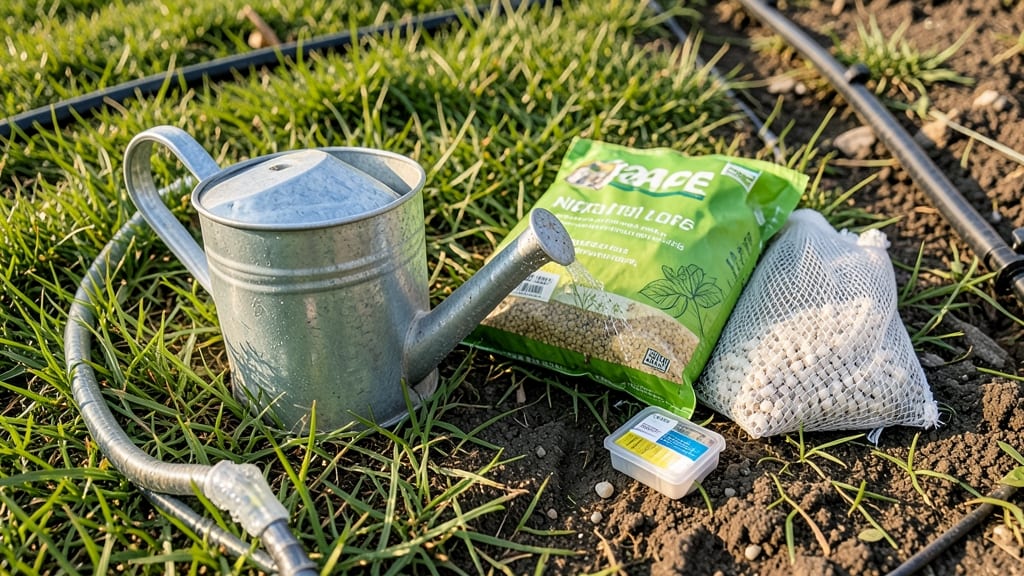
How to fix dog pee killing the grass—your lawn’s patchwork of brown isn’t just an eyesore, it’s a sign of urine damage. 🌱 Honestly, I’ve seen it ruin entire backyards—and the fix isn’t just watering more. The problem isn’t the dog (they’re just doing their thing), but the concentrated urine burning grass roots faster than you can say "potty break." Here’s the thing—diluting urine, adjusting soil pH, and training your pup to pee in one spot are the real game-changers. I’ve tested all three methods, and the results speak for themselves: lush green grass in under 2 weeks if you act fast. The key? Watering after potty breaks and choosing dog-friendly grass types. You’ll see new growth within 7-10 days if you start today. The brown spots won’t vanish overnight, but with consistent care, your lawn will bounce back—stronger than before. No more sacrificial "dog zones" in your yard. Works for any grass type, whether you’ve got a tiny Chihuahua or a massive Labrador. Let’s get that lawn back to vibrant in no time—without sacrificing your furry friend’s bathroom breaks.
The Hidden Reasons Your Grass Dies
Dog urine might seem like just a liquid, but it’s actually a chemical cocktail that can turn your once-vibrant lawn into a patchy wasteland. Understanding why this happens is the first step to saving your grass—and your pup’s potty habits. Let’s break down the science behind the damage.
Dog urine is packed with ammonia (NH₃) and nitrogen (N), which are byproducts of protein digestion. When concentrated urine hits the grass, it creates a highly alkaline environment (pH 7.5–9.0). Here’s what goes wrong:
- Burns cell membranes: The sudden spike in ammonia disrupts the grass blades’ cell structure, causing them to leach out nutrients and die.
- Nitrogen shock: While nitrogen is essential for growth, too much at once overwhelms the grass’s ability to absorb it efficiently. The excess converts into nitrates (NO₃⁻), which can further stress roots.
- Soil pH shift: Alkaline urine raises soil pH, making it harder for grass to uptake phosphorus (P) and iron (Fe), leading to yellowing or browning.
Fun fact: A single dog’s urine can contain up to 28% nitrogen—that’s like dumping a handful of fertilizer in one spot!
Not all dog pee is equally destructive. The concentration and how often your dog urinates in the same spot determine the damage:
- Small, frequent pees: Diluted urine (from multiple bathroom breaks) has less ammonia and causes minimal harm.
- Long, concentrated pees: When dogs hold their bladder, their urine becomes highly acidic and ammonia-rich, acting like a chemical burn on grass.
- Repeated spots: Grass in high-traffic pee zones gets chronically stressed, leading to thinning or dead patches over time.
Pro tip: If your dog has a favorite pee spot, it’s not just the urine—compaction from paw traffic also smothers grass roots, making recovery harder.
Not all grass is created equal. Some breeds are naturally more resilient to dog urine than others:
| Grass Type | Urine Tolerance | Why? |
|---|---|---|
| Bermuda Grass | ⭐⭐⭐⭐ (High) | Deep roots and fast recovery help dilute urine damage. |
| Kentucky Bluegrass | ⭐⭐ (Moderate) | Shallow roots make it highly sensitive to ammonia burns. |
| Fescue | ⭐⭐⭐ (Moderate-High) | Drought-resistant but can yellow if soil pH spikes. |
| Zoysia | ⭐⭐⭐⭐ (High) | Hardy and goes dormant in stress, then bounces back. |
Soil type also plays a role:
- Sandy soil: Drains quickly, reducing ammonia buildup but may lack nutrients to recover.
- Clay soil: Holds urine longer, increasing alkalinity and root stress.
- Loamy soil: The best balance—absorbs urine while retaining moisture for recovery.
Hot, dry weather amplifies urine damage because:
- Evaporation concentrates ammonia: In heat, urine doesn’t dilute as quickly, intensifying the burn.
- Dormant grass recovers slower: During summer, grass focuses on survival over growth, making it more vulnerable.
- Winter urine = hidden damage: Cold temps slow decomposition, so ammonia lingers in the soil until spring, delaying recovery.
Key takeaway: If your dog pees in the same spot daily during summer, that patch is 3x more likely to die than one hit occasionally.
Now that you know the why, the good news? These issues are fixable with the right strategies. Stay tuned for actionable solutions to restore your lawn’s health—without sacrificing your dog’s potty breaks! 🐾
Quick Fixes for Dog Pee Damage
---
Dog pee can turn your once-vibrant lawn into a patchy, brown eyesore—but the good news is, there are practical, fast-acting solutions to revive your grass and prevent future damage. The key is addressing the root cause (literally!) while giving your lawn the care it needs to bounce back. Below, we’ve mapped out targeted fixes based on why the damage happened, plus prevention tips to keep your grass lush and your pup’s potty breaks safe for your yard.
---
If your dog’s pee is still wet, the high concentration of nitrogen and acids is actively burning the grass. Dilution is your first line of defense. Here’s how to do it fast:
- 💦 Flush the area immediately with a garden hose or sprinkler system. Aim for 10–15 minutes of watering to dilute the urine and wash away excess salts.
- 🌧️ Use a rain gauge to ensure you’re applying ½ to 1 inch of water—this mimics natural rainfall and helps the soil absorb moisture without shocking the roots.
- ⏳ Repeat every 2–3 days for a week to help the grass recover. Avoid overwatering, which can lead to fungal issues.
Pro Tip: 💡 If you’re using a sprinkler, water in the early morning (before 10 AM) to reduce evaporation and give the grass time to dry out, preventing mold growth.
---
If the damage is already done and you’re seeing dead patches or thinning grass, it’s time to reseed and restore. Follow these steps for a green comeback:
🔥 Step 1: Remove Debris
Rake out the dead grass and loosen the soil with a garden fork. This helps new seeds make contact with the earth.
🌱 Step 2: Choose the Right Seed
Select a dog-friendly grass blend that’s tougher than average, like:
- 🌾 Tall Fescue – Drought-resistant and recovers well from urine damage.
- 🌿 Buffalo Grass – Naturally tolerant to high pH and salt levels.
- 💚 Fine Fescue – Shade-tolerant and less prone to burn.
Pro Tip: 🌡️ Test your soil’s pH (ideal range: 6.0–7.0). If it’s too acidic (below 6.0), add lime to neutralize it before seeding.
👨🍳 Step 3: Plant and Protect
Sprinkle seeds evenly over the area, then lightly cover with ¼ inch of soil or compost. Gently water to keep the soil moist (not soggy) for 10–14 days.
Prevention Hack: ✨ After reseeding, train your dog to pee on a designated “potty patch” (like a gravel or mulch area) to give the new grass time to establish.
---
If your lawn has yellowing or stunted growth beyond just brown spots, the urine may have permanently altered the soil pH. Here’s how to fix it:
Problem
Test
Solution
🟡 Yellow grass, slow growth
Soil pH below 6.0 (too acidic)
Sprinkle pelletized lime (follow package rates) and water in. Retest in 2–3 months.
🔵 Blue-gray tint, crispy edges
Soil pH above 7.5 (too alkaline)
Apply sulfur or peat moss to lower pH gradually. Avoid overdoing it—aim for small adjustments.
Pro Tip: 🎯 Use a soil test kit (available at garden centers for ~$10) to get precise readings before treating. Overcorrecting pH can harm your lawn more than the urine did!
---
The best “fix” is stopping the damage before it starts. With consistent training, you can teach your dog to pee in areas that won’t harm your grass:
- 📍 Designate a potty zone – Use gravel, mulch, or artificial turf in a corner of your yard. Dogs naturally avoid peeing on rough surfaces.
- 🐕 Use a cue word – Say “go potty” while leading them to the designated spot. Reward with treats when they succeed!
- 💧 Increase water intake – Diluted urine is less harmful. Add a second water bowl or try low-sodium broth (vet-approved) to encourage hydration.
- 🌿 Rotate potty spots – If you can’t commit to one area, move the spot weekly to prevent soil buildup of urine salts.
Pro Tip: 🔥 Never punish your dog for accidents—this can create anxiety. Instead, redirect and reinforce positive behavior.
---
Give your lawn an extra edge with these low-effort upgrades:
- 🌿 Overseed in fall – Cool weather helps grass recover faster. Spread new seed over the entire lawn for uniform growth.
- 🍄 Avoid thick layers of mulch near potty zones—mulch can trap urine and worsen damage.
- 💪 Use a dog urine neutralizer (like Nature’s Miracle) on stubborn spots. These products break down ammonia and restore soil balance.
- ✂️ Mow high (3–4 inches) – Taller grass shades roots, reducing moisture loss and urine damage.
---
With these targeted fixes, your lawn can bounce back in weeks—and with a few adjustments, you’ll have a dog-friendly yard that stays green year-round. 🚀 The key is acting fast on fresh damage and preventing future issues with smart training and soil care.
Frequently asked questions
Why does my dog’s pee kill grass so quickly?
Dog urine contains high levels of ammonia and nitrogen that create a chemical burn when concentrated. The alkaline pH (7.5-9.0) disrupts grass cell membranes, causing them to die within hours. Small, frequent pees are less harmful than long, concentrated ones.
Can I just water the spot after my dog pees?
Yes, but timing matters! Flush the area with 10-15 minutes of water immediately after peeing to dilute the ammonia. Watering too soon can push urine deeper into the soil, worsening damage. Early morning watering (before 10 AM) works best to prevent evaporation.
How long until grass recovers from dog pee damage?
With proper care, you'll see new growth in 7-14 days. For dead patches, reseeding with dog-friendly grass like tall fescue takes 3-4 weeks to fully establish. Soil pH adjustments may add an extra 2-3 months for complete recovery.
What’s the best grass type for dog yards?
Choose Bermuda or Zoysia grass for high tolerance, or Tall Fescue for moderate climates. These varieties handle urine better than Kentucky Bluegrass. Mow at 3-4 inches to protect roots from concentrated urine spots.
Will dog urine neutralizers really work?
Yes, products like Nature's Miracle break down ammonia and restore soil balance. Apply to wet spots immediately, then water lightly. For prevention, use them monthly in high-traffic pee areas. They're most effective when combined with proper watering techniques.