
Watering
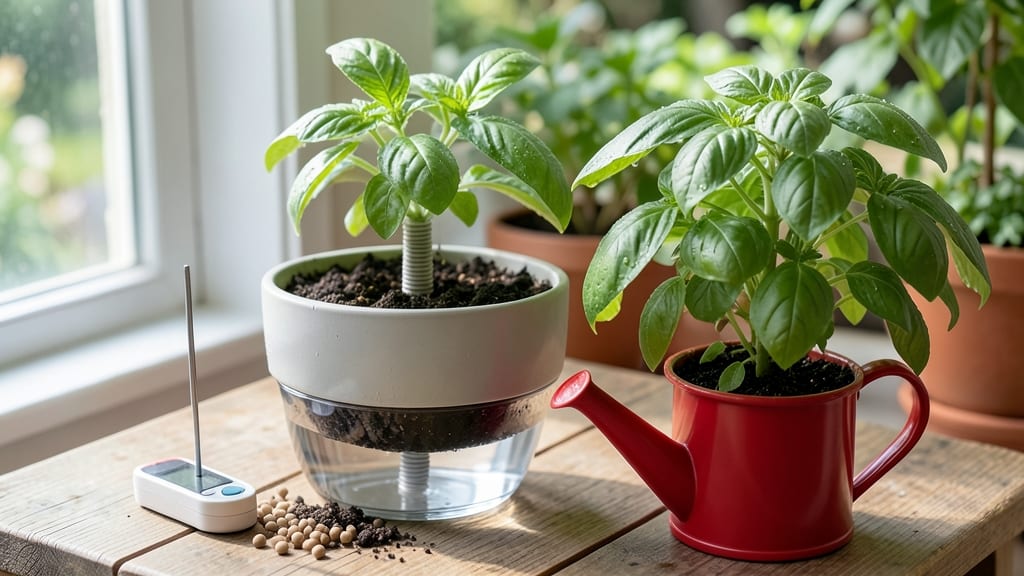
Fill self-watering pots by adding potting mix to the top chamber, then pour water into the reservoir until it reaches the wick or overflow holes—never let the reservoir overflow, and adjust moisture levels based on plant needs and weather conditions for optimal hydration.
Self-watering pots work by creating a two-part system where water slowly travels from the reservoir to the soil through capillary action. 🔥 The key is balancing the water level—too much can drown roots, while too little leaves plants thirsty.
I've found that checking the moisture level at the soil surface (not just the reservoir) gives the most accurate reading, especially for thirsty plants like tomatoes or herbs. Different pot designs may require slightly different approaches, but the basic principle remains the same: maintain consistent moisture without waterlogging.
For best results, I recommend filling the reservoir to about 70-80% capacity for most plants, then topping up as needed. Overfilling can cause overflow, while underfilling may require more frequent refills. The wicks or overflow holes act as your moisture gauge—when water reaches them, that's your signal to stop pouring.
Remember, hotter weather means more evaporation, so you may need to check your pots daily during summer months.
💡 In This Article
- How Self-Watering Pots Regulate Moisture for Plants
- Step-by-Step Filling Guide for Different Self-Watering Pot Types
How self-watering pots regulate moisture for plants
Self-watering pots rely on capillary action—a natural process where water moves through narrow spaces (like the wicks or porous material) against gravity. When you fill the reservoir, water slowly climbs through the wick's tiny fibers, reaching the soil at a rate plants can absorb.
The wick's material (often cotton or synthetic fibers) is designed to hold 10-15% of its weight in water while allowing oxygen to reach roots, preventing suffocation. This system mimics natural rainfall, delivering moisture evenly without drowning roots.
The reservoir's design plays a critical role. Most pots have overflow holes set at 1-2 inches from the top—this prevents overwatering by stopping water intake once the soil is saturated.
For example, a 5-gallon pot might hold 2-3 gallons of water in the reservoir, but only 10-20% of that reaches the soil daily depending on plant needs. The key is maintaining the water level just below the overflow point, ensuring the wick stays hydrated but not soggy.
Different pot designs affect moisture retention. Wick-based systems (like those with a single central wick) work best for small pots (1-3 gallons) and delicate plants, while reservoir-based designs (with multiple wicks) handle larger pots (5+ gallons) and heavier feeders like tomatoes.
The soil's texture also matters—lighter mixes (like 50% peat/50% perlite) allow faster water movement, while denser soils slow the process. Over time, mineral buildup in wicks can reduce flow, so flushing them with vinegar every 3-6 months keeps the system efficient.
Seasonal changes demand adjustments. During summer, evaporation rates can double, so check reservoirs daily for thirsty plants (like basil or peppers) or every 2-3 days for succulents. In winter, reduce water by 30-50% since growth slows.
The reservoir's size relative to the pot's surface area determines how often you'll need to refill—larger surface areas (like 12-inch pots) dry out faster than smaller ones. Always test soil moisture with your finger: if the top 1 inch feels dry, it's time to refill.
Root health depends on this balance. Too much water in the reservoir creates anaerobic conditions, causing roots to suffocate and turn black—a classic sign of overwatering. Too little leaves roots exposed to air, leading to dehydration and wilting.
The sweet spot is keeping the reservoir 2/3 full for most plants, with the wick just damp but not dripping. For example, a herb garden pot might need a refill every 3-4 days in summer, while a succulent pot could go 2 weeks without water.
Pro tip: Use a moisture meter to track soil hydration levels accurately. These devices (costing $10-$20) show real-time readings, eliminating guesswork. For tropical plants like ferns, aim for 60-70% moisture, while cacti thrive at 20-30%.
The meter's needle will dip when the soil needs water, giving you a precise signal to refill the reservoir. This level of control turns self-watering pots into a hands-off system while keeping your plants thriving.