
Pests
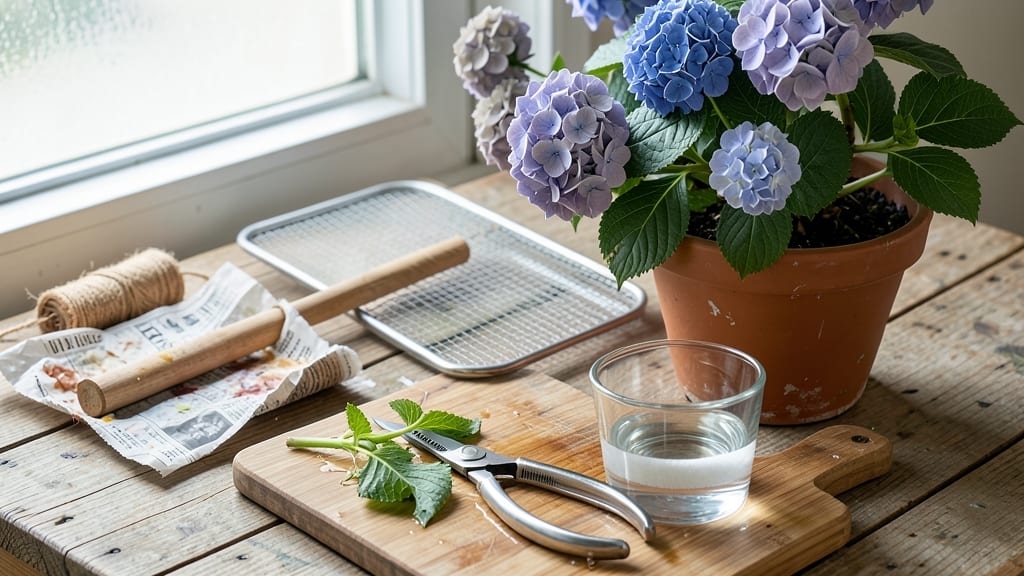
Learning how to dry hydrangeas to keep their color is the secret to preserving their stunning hues for months—no fading, no wilting. ✨ I learned the hard way that skipping the right prep turns beautiful blooms into sad, brittle remnants. The secret? Timing, technique, and a little patience.
Start with fully open blooms in late summer or early fall—never dried too soon or too late. Air-drying is simplest: hang stems upside-down in a dry, dark place for 2-4 weeks. For faster results, use silica gel (3-5 days), but monitor closely to avoid over-drying.
Once dry, store blooms in paper envelopes or cardboard boxes to protect their color. Avoid plastic—it traps moisture and turns blooms dull. A little spray of hairspray (optional) adds extra protection for long-term displays. Perfect for fall decor, wreaths, or winter arrangements.
Here’s how to do it right—no more colorless hydrangeas in your home!
📚 In This Guide
- What you need
- Instructions
- Tips and common mistakes
- Wrapping up and next steps
What you need
- ● Fresh hydrangea blooms: Choose fully open flowers (preferably mophead or lacecap varieties) with vibrant color. Harvest on a dry morning after dew has evaporated.
- ● Sharp floral shears or pruning scissors: 1 pair (clean and sterilized to avoid disease). Cut stems at a 45-degree angle.
- ● Newspaper or paper towels: Enough to line a flat, dry surface (e.g., a table or tray).
- ● Drying method of choice (pick one): Air-drying: A well-ventilated area (e.g., a cool, dark closet or hanging basket with holes).
- ● Silica gel: 1–2 lbs of food-grade silica gel crystals (for faster drying, ~3–5 days).
- ○ Microwave (optional): A microwave-safe plate and 5–10 minutes (for quick drying, but monitor closely!).
- ● Twine, rubber bands, or floral wire: For bundling stems if air-drying.
- ○ Cardstock or foam board: For mounting dried flowers (optional, for arrangements).
- ● 🌡️ Temperature matters: Avoid direct sunlight or heat sources—ideal drying temp is 60–70°F (15–21°C).
- ● ✨ Color preservation hack: Add 1 tsp white vinegar per gallon of water when harvesting to slow color fading.
- ● 🔍 Patience pays off: Hydrangeas take 2–4 weeks to dry fully—don’t rush!
Step-by-step instructions for drying hydrangeas while preserving their color
Here's the method I rely on to transform fresh hydrangeas into long-lasting, vibrant dried blooms—no fading or browning in sight.
🌿 Step 1: Harvest at Peak Color and Prepare the Blooms
Pick hydrangeas when they're fully open but still firm to the touch—usually mid-to-late summer when color is deepest. Cut stems at a 45-degree angle with clean pruners, leaving 4-6 inches of stem to support the flower head. Avoid wilting stems; they’ll leach color during drying.
Strip all leaves from the stems to prevent mold and pests. I like to work in batches of 4-6 stems at a time—this keeps the process manageable. Rinse the blooms gently under cool water to remove dust, then pat them dry with a clean towel. The goal is to start with the freshest, most vibrant blooms possible.
💧 Step 2: Air-Dry Using the "Water Glass" Method
Fill a clean, empty glass jar with 2-3 inches of water and invert each hydrangea stem into the jar, flower-side up. The stems should float freely—don’t force them. Place the jars in a spot with bright, indirect light and good airflow, like a sunny windowsill or covered porch.
This method preserves color by preventing the blooms from drying too quickly. Check the water every 2-3 days and top it off as needed—the stems will drink up moisture, and the blooms will stay plump. You’ll see the petals start to crisp at the edges after 7-10 days, but the centers should remain intact and vibrant.
⏰ Step 3: Finish Drying and Store Properly
Once the petals are completely dry but still hold their shape—usually 2-3 weeks total—remove the blooms from the stems. Gently separate the petals from the center cones if desired, but leave them attached for a fuller look. Let them air out for an additional 24 hours in a dry, dark place to ensure all moisture evaporates.
Store the dried hydrangeas in a paper bag or breathable fabric pouch (never plastic—it traps moisture and causes mildew). Place them in a cool, dark spot until ready to use. With proper storage, they’ll retain their color for 6-12 months, making them perfect for winter arrangements.
☀️ Step 4: Preserve Color with a Natural Bleach Alternative (Optional)
For extra vibrancy, soak the dried blooms in a 1:1 water and white vinegar solution for 1 hour before final drying. The acidity helps lock in color. After soaking, pat them dry and return them to the drying process. This step is especially useful for blue or pink hydrangeas, which can fade to grayish tones without treatment.
Real talk: If you notice any browning or dulling after drying, it’s usually a sign the blooms weren’t fully mature at harvest or dried too quickly. Adjust your timing next season—patience is key for that perfect, lasting color.
Tips & tricks for perfectly preserved hydrangea blooms
Here's what I've learned to ensure your hydrangeas dry with their color intact and last for months.
Timing Secret: The 2-3 week drying period is non-negotiable for color retention. If you're in a hurry, you might be tempted to speed things up with heat, but that's the fastest way to dull those gorgeous hues. Instead, create a drying environment with consistent airflow—like a covered porch with a small fan circulating air. This maintains the delicate balance between moisture retention and proper drying that keeps colors vibrant.
Harvest Strategy: I can't stress enough how critical the harvest timing is—mid-to-late summer when blooms are fully open but still firm. Overripe flowers will leach color during drying, and underripe ones won't hold their shape. Look for blooms where the petals are fully unfurled but still feel slightly crisp to the touch. Morning harvests work best as blooms have absorbed moisture overnight, giving you the most vibrant starting point.
Storage Wisdom: That 24-hour final air-out period in Step 3 is your insurance against moisture-related color fading. I've seen beautiful dried hydrangeas develop mold spots when people skipped this step, especially in humid climates. Use a small mesh bag or even a paper envelope with holes punched in it for storage—this allows any lingering moisture to escape while keeping out dust. Place them in a dark spot to prevent light-induced color degradation over time.
Color Preservation Hack: For the vinegar soak in Step 4, I've found that adding just a teaspoon of lemon juice to the 1:1 water-vinegar solution gives an extra brightness boost to blue and pink varieties. The citric acid works synergistically with the vinegar to lock in pigments. Just be sure to pat the blooms completely dry afterward—they'll absorb moisture like sponges, and any remaining liquid can cause uneven drying patterns.
Pro Tips for Dry Hydrangeas To Keep Their Color
- Here's what I've learned to ensure your hydrangeas dry with their color intact and last for months.
- Timing Secret: The 2-3 week drying period is non-negotiable for color retention.
- Harvest Strategy: I can't stress enough how critical the harvest timing is—mid-to-late summer when blooms are fully open but still firm.
Frequently asked questions
Got questions about drying hydrangeas without losing that stunning color? You're not alone! Here are some of the most common concerns—and their answers—to help you preserve your blooms like a pro.
How long does it take to dry hydrangeas fully?
Drying times vary by method, but most hydrangeas take 2–4 weeks to dry completely. Air-drying (hanging stems upside down) is the slowest but gentlest, while silica gel or microwave methods can speed things up to just a few days. Patience is key—rushing can fade colors or cause brittleness!
Why do my dried hydrangeas lose color?
Color loss usually happens from moisture, sunlight, or improper drying. To keep hues vibrant:
- Use indirect light (no direct sun).
- Avoid humidity—opt for dry, well-ventilated spaces.
- Pick blooms at peak color (fully open but not wilting).
Can I dry hydrangeas in a microwave? Will it ruin them?
Yes! Microwaving is a fast, color-safe method if done right. Place stems in a microwave-safe bowl with uncooked rice or silica gel, cover with a damp paper towel, and heat on low (30% power) for 1–2 minutes. Check frequently—they’re done when dry but still pliable. Warning: Overcooking = crispy, fragile blooms!
What’s the best way to store dried hydrangeas long-term?
Store them in a cool, dark place (like a closet or drawer) in paper bags or breathable fabric wraps to prevent moisture buildup. Avoid plastic—it traps humidity and speeds up decay. With proper care, they’ll last 1–2 years while keeping their shape and color!
Can I use dried hydrangeas for crafts or wreaths?
Dried hydrangeas are perfect for DIY projects like wreaths, potpourri, or framed arrangements. For crafts, avoid gluing directly to stems—they’re brittle. Instead, use hot glue on the blooms’ undersides or weave them into designs. Bonus: Their texture adds a boho-chic touch to any decor!
Wrapping up and next steps
Drying hydrangeas to preserve their stunning color is easier than you think—just follow the right steps! Whether you’re using the air-drying, silica gel, or microwave method, patience and proper care ensure your blooms stay vibrant for years.
With a little effort, you’ll turn fresh flowers into lasting keepsakes that brighten any space.
Ready to give it a try? Pick your favorite method, gather your supplies, and start preserving those gorgeous blooms today! 🌸✨