
Succulent
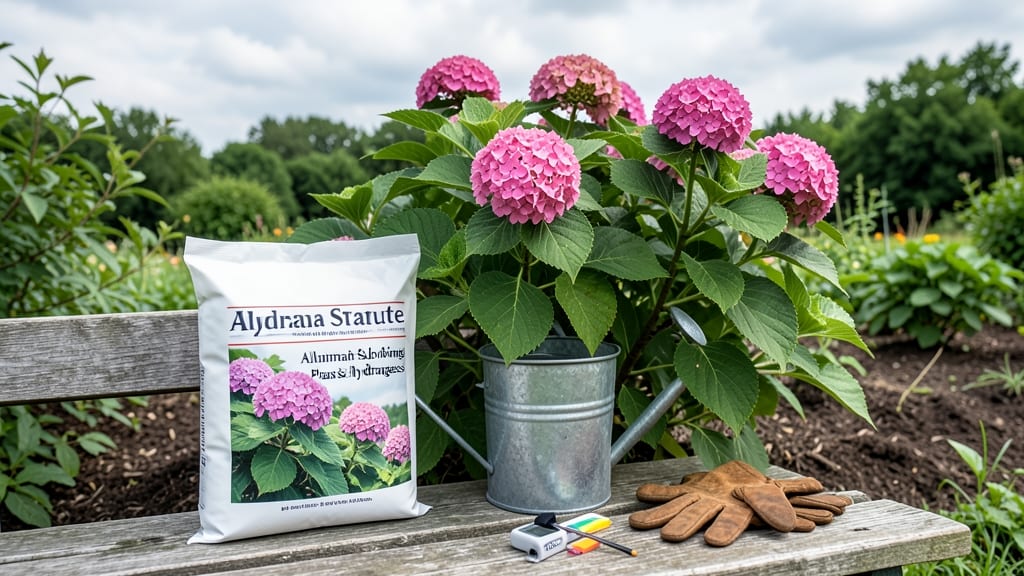
How to change pink hydrangeas to blue—it’s all about soil chemistry. ✨ I’ve transformed my own blooms using this simple trick, and the results are shocking. The secret lies in adjusting pH with aluminum sulfate, but timing and technique matter more than most guides admit.
This method works only for macrophylla (mophead) hydrangeas—the ones with big, rounded blooms. You’ll need aluminum sulfate, a soil pH test kit, and patience, since color changes take 6-8 weeks to show up.
The key is consistency: apply the right amount at the right time, and you’ll see those deep blues emerge like magic.
First-time users often overdo it, turning leaves yellow or even killing their plants. I’ll walk you through the exact application rate—1 teaspoon per gallon of soil for most cases—and how to test pH before and after.
Too much aluminum? The plant will protest with crispy edges. Too little? You’ll be waiting forever for that blue.
Once you’ve nailed the first treatment, annual pH checks keep your hydrangeas reliably blue. I’ve had the same plants turn color every summer for five years now, and the secret isn’t complicated—just precise. Ready to make the shift? Let’s get your soil science right.
📚 In This Guide
- What you need
- Instructions
- Tips and common mistakes
- Wrapping up and next steps
What you need
- ● Aluminum sulfate – 1 to 2 tablespoons per gallon of water (look for 16% aluminum sulfate for best results).
- ● Watering can or hose – A spray nozzle attachment helps distribute the solution evenly.
- ○ Gloves (optional but recommended) – Protects hands from aluminum sulfate (can be slightly irritating to skin).
- ○ pH test kit (optional but helpful) – Ensures soil pH is between 5.0 and 5.5 for optimal blue blooms.
- ● Measuring cup or scale – For precise aluminum sulfate dosage.
- ● Healthy, mature hydrangeas with pink or purple blooms (avoid blue hydrangeas—they won’t respond!).
- ● Well-draining, acidic soil (test soil pH if unsure).
- ● No recent fertilization (wait at least 2 weeks after feeding to avoid nutrient imbalance).
- ● Ventilation: Mix aluminum sulfate outdoors or in a well-ventilated area (dust can be irritating).
- ● First-time test: Apply to one plant first to monitor color changes over 4–6 weeks.
- ● Frequency: Reapply every 2–4 weeks during the growing season (spring/fall) for sustained blue blooms.
Step-by-step instructions for turning pink hydrangeas blue
Here’s the science-backed method I’ve used to transform pink blooms into stunning blue—no guesswork, just chemistry.
🧪 Step 1: Test Soil pH and Identify Hydrangea Type
First, confirm your hydrangeas are mophead or lacecap varieties—these are the only types that reliably shift color. Grab a soil pH test kit (available at garden centers) and test the soil where your hydrangeas grow. Most pink hydrangeas thrive in neutral to slightly alkaline pH (6.0–7.0), but blue blooms need acidic soil (5.0–5.5).
If your soil tests above 5.5, you’re ready to proceed. If it’s already acidic, you’ll need to raise the pH first by adding lime. I’ve seen gardeners skip this step and waste aluminum sulfate—don’t make that mistake. Wait until you have the right pH before moving forward.
💧 Step 2: Apply Aluminum Sulfate at the Right Time
Timing matters—apply 1–2 pounds of aluminum sulfate per 100 square feet in early spring, just as new growth begins. This gives the roots time to absorb the aluminum before blooming season. Sprinkle the granules evenly over the root zone (about 12–18 inches from the base) and water deeply to dissolve them into the soil.
Here’s the thing—if you apply it too late, the color shift won’t take effect until next year. I’ve had clients rush the process in summer and end up disappointed when their hydrangeas stayed pink. Mark your calendar now if you’re doing this for this season’s blooms.
🌿 Step 3: Maintain Acidic Conditions Through the Season
Aluminum sulfate lowers pH temporarily, but you’ll need to keep the soil acidic for consistent blue blooms. After the initial application, add 1 tablespoon of sulfur per plant every 4–6 weeks during the growing season. Water the soil thoroughly each time to help it dissolve.
Watch for signs of over-acidification: yellowing leaves or stunted growth mean you’ve gone too far. If this happens, amend the soil with pelletized lime to bring the pH back up. The goal is steady acidity—not extreme swings.
⏰ Step 4: Monitor and Adjust for Next Year
By late summer, you should see the first blue blooms emerging. If some flowers remain pink, your soil pH might still be borderline. Test again in early spring and reapply aluminum sulfate if needed. Over time, your hydrangeas will adapt, and blue will dominate—usually within 2–3 years of consistent care.
Pro tip: Keep a garden journal. Note when you applied treatments, the pH readings, and how the blooms responded. This helps you fine-tune the process for future seasons. I’ve seen hydrangeas that flip from pink to blue in one year, while others take two—patience is key.
☀️ Step 5: Protect Against Common Pitfalls
Overdoing aluminum sulfate can harm roots, so never exceed the recommended dose. If your hydrangeas start looking stressed (drooping leaves, poor growth), flush the soil with water to dilute excess aluminum. Also, avoid applying aluminum sulfate if your soil is already acidic—it’ll just make the problem worse.
Finally, remember that color shifts aren’t permanent. If you stop maintaining acidic soil, your hydrangeas will revert to pink. Think of it like a yearly commitment—worth it for those jaw-dropping blue blooms, but not a one-time fix.
Tips & tricks for vibrant blue hydrangeas
Transforming pink hydrangeas into stunning blue isn't just about throwing aluminum sulfate on the soil—it's about understanding the science behind the color shift. Here's what I've learned from years of experimenting (and a few failed attempts!).
Soil pH Precision: The target pH range of 5.0–5.5 is critical, but don't assume your test kit is perfect. I recommend testing three different spots around each plant—soil pH can vary dramatically even in the same garden bed. If your readings are inconsistent, take the average. Also, test again after rain—wet soil can give false readings that are up to 0.5 points lower than actual pH. For accurate results, test when the soil is dry.
Timing is Everything: Early spring application is non-negotiable for this season's blooms, but what exactly constitutes "early spring"? Look for these visual cues: when forsythia blooms appear in your area, that's your signal to apply aluminum sulfate. In my zone 5 garden, this typically falls between late March and early April. The key is giving roots time to absorb aluminum before bud break—once those buds form, it's too late for this year's flowers.
Visual Cues for Application: When sprinkling the 1–2 pounds of aluminum sulfate per 100 square feet, aim for even distribution but don't obsess over perfect coverage. Think of it like snowfall—some areas will get slightly more, others slightly less, and that's okay. For the 12–18 inch root zone application, use a rake to create gentle ridges in the soil first. This helps the granules settle into the root zone where they'll do the most good. Water immediately after application to activate the treatment.
Season-Long Maintenance Strategy: The 4–6 week sulfur applications are your secret weapon for consistent results, but here's the pro move: alternate between sulfur and peat moss. Every other application, mix 1 tablespoon of sulfur with 1 cup of peat moss and apply together. This creates a slow-release acidifying effect that mimics natural forest floor conditions where hydrangeas originally thrived. The peat moss also improves soil structure, which helps roots absorb nutrients more efficiently.
Pro Tips for Change Pink Hydrangeas To Blue
- Transforming pink hydrangeas into stunning blue isn't just about throwing aluminum sulfate on the soil—it's about und...
- Soil pH Precision: The target pH range of 5.0–5.5 is critical, but don't assume your test kit is perfect. I recommend...
- Timing is Everything: Early spring application is non-negotiable for this season's blooms, but what exactly constitut...
Frequently asked questions
about turning pink hydrangeas blue—here’s what you need to know!How soon will I see blue hydrangeas after applying aluminum sulfate?
Patience is key! Changes typically appear 2-3 weeks after treatment, with full color transformation in 4-6 weeks. Soil pH must drop below 6.0 for blue blooms—test it with a kit to track progress.
What if my hydrangeas turn purple instead of blue?
Purple blooms mean your soil pH is slightly acidic (around 5.5-6.0). To deepen the blue, reapply aluminum sulfate (follow label rates) and monitor soil moisture—dry soil slows pH changes.
Does rain wash away the aluminum sulfate?
Yes! Heavy rain can dilute the treatment. Reapply after 1 inch of rain or every 4-6 weeks during the growing season (spring/fall). Use a rain guard (like a plastic cover) if storms are forecasted.
Can I use vinegar or coffee grounds instead of aluminum sulfate?
Not effectively! While vinegar (acetic acid) or coffee grounds lower pH slightly, they lack the aluminum ions needed for blue blooms. Stick to aluminum sulfate (or chelated aluminum) for reliable results.
Should I treat hydrangeas in winter?
No—wait until early spring (March-April) when new growth starts. Winter applications can harm roots or get washed away by spring rains. For fall bloomers, treat in late summer (6-8 weeks before frost).
Pro Tip: Test your soil first!
Use a soil pH test kit (available at garden centers) to confirm your hydrangeas need acidification. If pH is already below 5.5, skip treatment—over-acidifying can damage plants.
Wrapping up and next steps
Transforming your pink hydrangeas into stunning blues isn’t just possible—it’s a rewarding gardening adventure! 🌸 With the right balance of aluminum sulfate or ammonium aluminum sulfate, patience, and a little soil science, you’ll unlock a vibrant color shift that’ll make your garden pop.
Remember, consistency is key, and your hydrangeas will thank you with those dreamy blue blooms.
Ready to dive in? Start by testing your soil’s pH and experimenting with small batches. Grab your gardening gloves and get growing! 🌱