
How To
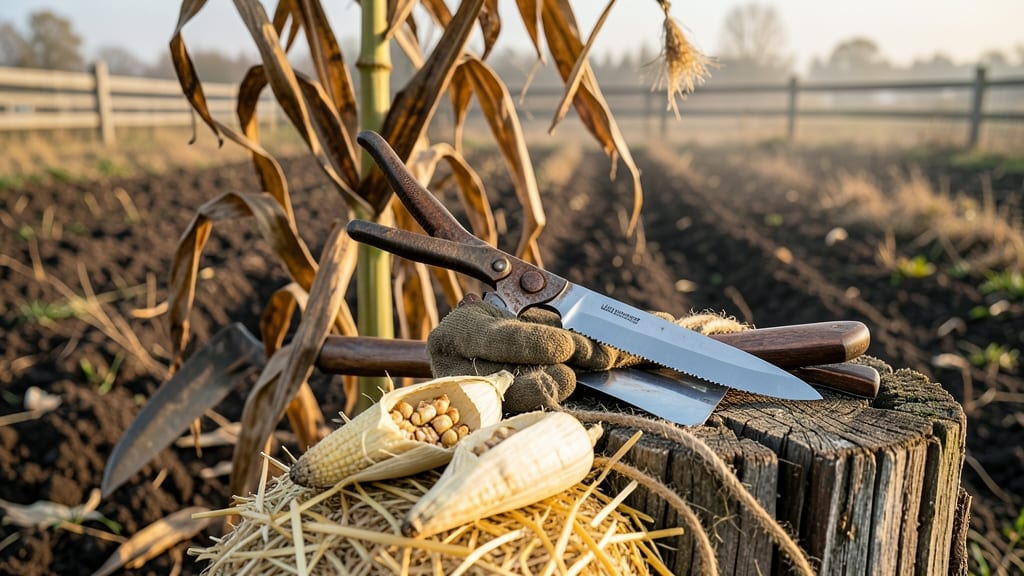
Cut corn stalks at ground level, bundle 5-10 stalks together, and hang them upside down in a dry, well-ventilated area for 2-4 weeks. Avoid direct sunlight to prevent mold, then store dried stalks in a cool, dry place for long-term use.
Drying corn stalks properly preserves their structural integrity while preventing rot or pest issues. The key is creating an environment with 40-60% humidity and temperatures between 70-80°F, which mimics natural drying conditions.
I recommend using a well-ventilated barn, garage, or even a covered porch—just avoid enclosed spaces where moisture can trap. The upside-down hanging method ensures even airflow around the entire stalk, which speeds up the dehydration process.
Once fully dry, these stalks can last for months, making them perfect for seasonal projects or garden maintenance.
What's interesting is how versatile dried corn stalks become once properly preserved. Beyond storage, they're fantastic for creating rustic centerpieces or even as natural mulch in your garden beds. 🌾 The fibrous texture makes them ideal for crafting too—think wreaths, wall hangings, or even bird feeders.
Just be sure to check for any remaining moisture before repurposing, as damp stalks can attract pests or develop mold over time.
💡 In This Article
- Optimal Conditions for Drying Corn Stalks Efficiently
- Creative Uses for Dried Corn Stalks Beyond Storage
Optimal conditions for drying corn stalks efficiently
The drying process works by removing moisture from the corn stalks through evaporation, and the rate of this process depends heavily on three key factors: temperature, humidity, and airflow. Ideal conditions mimic a warm, breezy autumn day—think 70-80°F temperatures with 40-60% humidity.
At these levels, moisture evaporates steadily without encouraging bacterial growth or mold spores to thrive. For example, if humidity climbs above 60%, condensation forms on the stalks, trapping moisture and creating the perfect environment for rot.
Airflow is just as critical as temperature and humidity. When you hang stalks upside down, you create a natural chimney effect that pulls warm air upward, accelerating moisture loss from the cut ends.
A gentle breeze or even a small fan can increase drying speed by 20-30% compared to stagnant air. I've found that placing stalks in a covered porch with open sides works best—it blocks direct sunlight (which can cause uneven drying) while allowing cross-ventilation.
The stalks should feel dry to the touch after 2-4 weeks, with a crisp, papery texture when bent.
Why does this matter for long-term storage? Properly dried stalks have a moisture content below 10%, which prevents fungal growth and insect infestations. If moisture remains above 15%, you risk attracting pests like weevils or silverfish, which are drawn to damp organic matter.
I once stored inadequately dried stalks in a basement and woke up to find them covered in mold—an experience that taught me the importance of patience during the drying phase. The golden rule is to let them dry completely before storing, even if it takes an extra week.
Direct sunlight is the enemy of even drying because it creates hot spots that dry the outer layers while leaving the inner core damp. This uneven moisture distribution leads to cracking or splitting, which weakens the stalks and makes them prone to breaking.
Instead, opt for indirect light or natural shade. A well-ventilated barn or attic with a small window for airflow is perfect. You can also use a dehumidifier in enclosed spaces to maintain the ideal 40-60% humidity range, especially in humid climates.
For those in colder climates, indoor drying becomes essential. A garage with a ceiling fan or even a heated basement with proper ventilation works well. Just avoid spaces with central heating vents blowing directly on the stalks—consistent temperatures are key.
The goal is to replicate the natural drying conditions corn experiences in the field after harvest. Once fully dry, the stalks will have a light, almost hollow sound when tapped together, signaling they're ready for storage.
Here's a pro tip: Bundle stalks in groups of 5-10 using twine or rubber bands to maintain their shape while hanging. This also creates air gaps between bundles, allowing even airflow around each stalk.
If you're drying a large quantity, space bundles at least 6 inches apart to prevent moisture buildup between them. The result? Stalks that remain structurally sound for months, ready for whatever creative project you have in mind. 💫