
Propagation
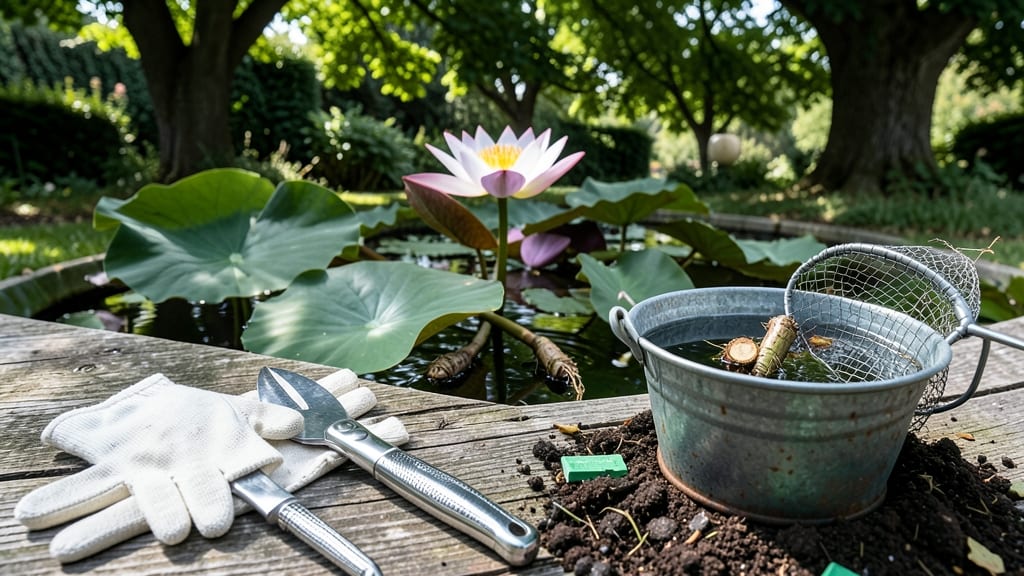
Your pond could be bursting with twice the blooms next season. 🌸 Dividing water lilies isn't just about saving space—it rejuvenates struggling plants and gives you free new specimens.
I've been doing this for years, and the difference between a crowded, underperforming lily and one that thrives is just a few sharp cuts and proper replanting.
The best time to divide is in early spring when new shoots appear but before blooms form. You'll need a clean, sharp knife, gloves, and a bucket for water changes—no fancy tools required.
The process takes about 30 minutes per plant, and you'll end up with 2-4 healthy divisions from each mature lily.
After dividing, replant rhizomes just below the water's surface (never buried) with 12-18 inches of spacing between them. Watch for new leaves in 2-3 weeks—that's your sign they're settling in. The first blooms will arrive 6-8 weeks later, and your pond will look like a completely different ecosystem.
This method works for both tropical and hardy lilies, and it's the secret to keeping your water garden vibrant for decades. The key is patience—rushing the process leads to weak divisions that struggle to bloom. Let's get those rhizomes splitting!
📚 In This Guide
- What you need
- Instructions
- Tips and common mistakes
- Wrapping up and next steps
What you need
- ● Healthy water lily plants: Mature plants with well-developed rhizomes (at least 2–3 years old). Aim for 3–5 plants depending on your pond size.
- ● Clean, sharp garden shears or pruning knife: Sterilized to prevent disease (alcohol wipe recommended). Look for a blade 3–4 inches long for precision cuts.
- ○ Gloves (optional but recommended): Waterproof or nitrile gloves to protect hands from sharp rhizomes and pond water.
- ● Bucket or container: Large enough to hold divided rhizomes and water (at least 5 gallons). Use a clean, food-grade bucket to avoid contaminants.
- ● Pond net or fine-mesh bag: For temporarily storing divided sections in water while replanting.
- ○ Rooting hormone (optional): A gel or powder to encourage faster root growth (e.g., Clonex or Dip ‘N Grow).
- ○ Pond fertilizer (optional): Slow-release tabs (e.g., Aquascape or Pond Logic) to nourish newly divided plants.
- ● Timing: Divide water lilies in early spring (before new growth) or late summer (after blooming). Avoid dividing during extreme heat or cold.
- ● Pond conditions: Ensure water temperature is above 50°F (10°C) and stable. Avoid dividing if your pond is freezing or experiencing rapid temperature swings.
- ● Space: Prepare new planting spots in your pond with at least 18–24 inches of water depth and 2–3 feet of space between plants for optimal growth.
- ● Safety first: Work near a water source in case of spills, and keep tools sharp to minimize stress on the plants.
Step-by-step instructions for dividing water lilies
Here's how to double your blooms while keeping your pond thriving—no fancy tools needed.
🪴 Step 1: Choose the Right Time and Prepare Your Workspace
Spring is ideal for dividing water lilies, right after new shoots appear but before heavy blooming. Early morning works best—cool temperatures help plants handle the shock. Drain your pond partially if possible, or work in a shallow container with just a few inches of water to keep rhizomes submerged.
Lay down a clean tarp or large tray beneath your workspace to catch debris and excess water. Wear gloves; water lily rhizomes can be slippery and may have sharp edges. Gather your tools: a sharp knife or pruners (sterilized with rubbing alcohol), a bucket of pond water, and a soft brush for cleaning.
✂️ Step 2: Remove and Inspect the Rhizomes
Gently lift the water lily from the pond, supporting the heavy rhizome with both hands. Rinse off any pond muck with your bucket of water. Look for the eyes—small buds along the rhizome that will grow into new plants. Healthy rhizomes have firm, plump sections with multiple eyes spaced 2-4 inches apart.
Trim away any dead or mushy sections with your sterilized knife. You'll see where the rhizome naturally divides—these are the best separation points. Avoid cutting through eyes unless you're intentionally creating smaller divisions, as each eye needs energy to support new growth.
🌱 Step 3: Split the Rhizomes Strategically
Make clean cuts at the natural division points, ensuring each new section has at least 2-3 eyes and a portion of the root system. Use a sawing motion with your knife for smoother cuts—this prevents ragged edges that can invite rot. Larger divisions (with 4+ eyes) will bloom faster but may take longer to establish.
For smaller divisions, include a 1-inch section of rhizome between eyes to ensure stability. Discard any pieces without eyes—they won’t grow. Immediately place each division in a separate container of pond water to prevent drying. This step is where patience pays off; rushing leads to weak, slow-growing plants.
💧 Step 4: Replant and Reestablish in the Pond
Return the largest, healthiest division to its original spot in the pond. Position it at the same depth as before—most water lilies thrive when their rhizomes sit 4-6 inches below the water’s surface. Smaller divisions can go in a nursery pot or a shallow area of the pond until they’re strong enough to transplant.
Keep newly divided plants in partial shade for a week to reduce stress. You’ll notice new shoots emerging within 2-3 weeks if conditions are right. Avoid fertilizing immediately—let the roots recover first. Overcrowding is the enemy; space divisions 12-18 inches apart for optimal growth.
☀️ Step 5: Monitor and Maintain for Peak Blooms
Watch for signs of stress like yellowing leaves or wilting—these mean the plant needs more time to adjust. Once established, water lilies need full sun (6+ hours daily) and warm water (70-80°F) to bloom. If your pond runs cooler, consider a floating plant mat to absorb heat and encourage flowering.
Divided plants may take 4-6 weeks to show new growth, but they’ll reward you with doubled blooms by mid-summer. Prune spent blooms regularly to redirect energy into new flowers. This is the moment you’ll see your hard work pay off—vibrant, healthy lilies that transform your pond into a living canvas.
Tips & tricks for perfect water lily division
Transforming your pond's blooms starts with these essential insights—learn from the common pitfalls that can stifle growth before it begins.
Timing is Everything: Spring's early morning is non-negotiable for dividing water lilies. The cooler temperatures reduce stress shock, allowing your plants to focus energy on recovery rather than temperature regulation. I've seen divisions fail when attempted in summer heat—plants wilt from the handling alone. If you miss spring, wait until late summer when growth slows naturally, but expect a longer recovery period.
Eye Identification: The eyes—those tiny buds along the rhizome—are your most critical feature. Healthy divisions require at least 2-3 eyes per section, but don't sacrifice rhizome length for quantity. I've made the mistake of creating divisions with too few eyes, only to watch them wither without developing new shoots. When inspecting, look for plump, firm sections with eyes spaced 2-4 inches apart—they're the indicators of vigorous growth potential.
Cutting Technique: That sawing motion with your knife isn't just for smooth cuts—it's about preserving the rhizome's integrity. Jagged edges create entry points for rot and disease. Sterilize your tools between cuts (I use rubbing alcohol) to prevent cross-contamination. For stubborn divisions, a gentle twist while cutting helps maintain clean separation without tearing the delicate tissue.
Replanting Depth: Positioning your rhizomes at 4-6 inches below the water's surface might seem arbitrary, but it's crucial. Too shallow and they'll dry out; too deep and they'll suffocate. I've learned this through trial and error—my first attempt with a particularly aggressive lily species ended with half the divisions floating to the surface. Use a ruler or measuring tape to verify depth, especially if your pond has varying water levels.
Pro Tips for Divide Water Lilies
- Transforming your pond's blooms starts with these essential insights—learn from the common pitfalls that can stifle growth before it begins.
- Timing is Everything: Spring's early morning is non-negotiable for dividing water lilies.
- Eye Identification: The eyes—those tiny buds along the rhizome—are your most critical feature.
Frequently asked questions
Got questions about dividing water lilies?
You’re not alone! Here are answers to the most common concerns—from timing to troubleshooting—to help you propagate like a pro.
When is the best time to divide water lilies?
Divide your water lilies in early spring (before new growth starts) or late summer/early fall (after blooming). Avoid dividing in winter or during peak heat—rhizomes need time to recover.
How do I know if my water lily needs dividing?
Signs include fewer blooms, crowded foliage, or rhizomes breaking the water surface. If your plant looks stressed or blooms are sparse, it’s time to split!
Can I divide water lilies in pots instead of ponds?
Use large containers (at least 12" deep) with a gravel layer at the bottom for drainage. Repot in spring, ensuring each division has 3–5 eyes (growth points).
What if my divided rhizomes rot or die?
Rotting often happens from poor drainage or overcrowding. Ensure rhizomes are half-submerged and planted in nutrient-rich soil. If rot occurs, trim healthy sections and replant immediately.
How often should I divide my water lilies?
Divide every 2–3 years to maintain health. Over-dividing stresses plants, while under-dividing leads to weak blooms. Monitor growth and split when needed—don’t wait too long!
Wrapping up and next steps
Dividing water lilies is a rewarding way to expand your pond’s beauty while keeping your plants thriving! By following the right steps—like choosing the perfect time, preparing the right tools, and carefully handling those rhizomes—you’ll soon enjoy double the blooms and healthier growth. 🌸
Ready to get started? Grab your gloves, grab a friend, and dive in! Once you’ve mastered the technique, you can even share cuttings with fellow pond enthusiasts. Happy gardening!