
Flowers
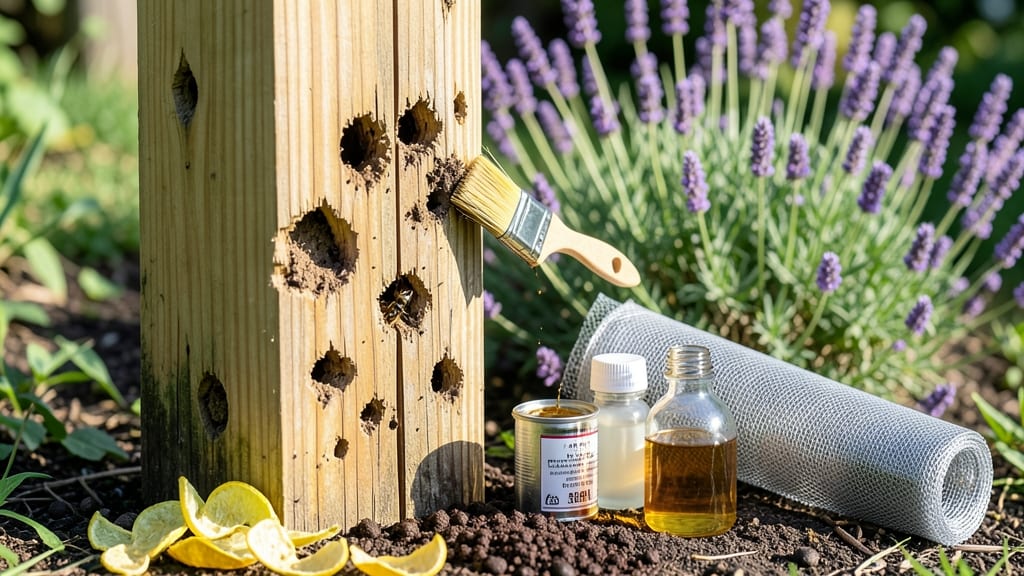
How to deter carpenter bees without killing them—those buzzing holes in your wooden fence aren't just annoying; they're carpenter bees making themselves at home. 🌿 I've dealt with my fair share of these striped invaders, and I learned the hard way that killing them isn't the answer. These bees are actually pollinators, and there are smarter ways to keep them from turning your deck into their condo complex.
The key is making your space less appealing while still letting them live their best bee lives elsewhere. Start by sealing up any old wood or untreated surfaces where they might nest—caulk, paint, or even a fresh coat of stain can work wonders.
Then, add some natural deterrents like essential oils (peppermint or citrus work well) around entry points. It's all about making your property less inviting without resorting to pesticides.
You'll notice a difference within a few days as the bees get the hint and move on to easier targets. The best part? Your garden stays protected, and these important pollinators keep doing their job elsewhere. Plus, you avoid the guilt of harming creatures that actually help your plants thrive.
This method works for decks, fences, sheds, and even outdoor furniture—anywhere wood meets the elements. The secret is consistency: keep up with maintenance, and you'll see those holes disappear without a single bee getting hurt. Here's how to make it happen without breaking a sweat.
📚 In This Guide
- What you need
- Instructions
- Tips and common mistakes
- Wrapping up and next steps
What you need
- ● Wooden or metal mesh screens (¼-inch or smaller mesh size) – 1-2 sheets (enough to cover potential entry points like eaves, siding, or wooden structures).
- ● Paint or wood sealant (non-toxic, water-based) – 1 quart (for sealing rough wood surfaces carpenter bees target).
- ● Carpenter bee traps (DIY or store-bought) – 1-2 traps (use scent-based lures like cedar shavings or citrus peels—never pesticides).
- ● Essential oils (peppermint, citrus, or eucalyptus) – 10-15 drops per spray bottle (mix with water for a natural repellent spray).
- ● Spray bottle (8-16 oz) – 1-2 bottles (for applying oil mixtures or soapy water).
- ● Soap or dish detergent (mild, unscented) – 1 tbsp per gallon of water (for a quick, non-lethal deterrent spray).
- ● Screwdriver or drill – For securing mesh screens over holes or vents.
- ● Paintbrush or roller – For applying sealant or paint smoothly.
- ○ Gloves (optional) – To protect hands from rough wood or oils.
- ○ Citrus peels or cedar shavings (optional) – For DIY trap baits or natural scent deterrents.
- ● Sticky traps (yellow cards, non-toxic) – 1-2 cards (place near nests to monitor activity without harm).
Tips & tricks for humane carpenter bee deterrents
Here's what nobody tells you—these simple strategies make all the difference when protecting your property without harming these beneficial pollinators.
Location, Location, Location: Carpenter bees love warm, sunny spots with bare wood—so focus your barriers on south- and west-facing walls, decks, and fences. I always check these areas first before applying any deterrents, because that's where they'll naturally start nesting. Look for small, round holes about 1/4-inch in diameter as their first sign of activity.
Barrier Timing: Apply your physical barriers—like copper tape or paint—before the bees arrive in spring (usually March-April in most regions). Once they've started nesting, removing them becomes much more difficult without causing harm. I mark my calendar every year to get this done before the bees wake up from winter.
Natural Deterrents First: Before reaching for chemical repellents, try non-toxic options like placing a shallow dish of soapy water near nesting sites (the soap breaks their surface tension). You can also hang wind chimes or reflective objects—bees dislike the movement and flashing light. I've had great success with this approach in my backyard without ever needing to harm them.
Pro Tips for Deter Carpenter Bees Without Killing Them
- Here's what nobody tells you—these simple strategies make all the difference when protecting your property without harming these beneficial pollinators.
- Location, Location, Location: Carpenter bees love warm, sunny spots with bare wood—so focus your barriers on south- and west-facing walls, decks, and fences.
- Barrier Timing: Apply your physical barriers—like copper tape or paint—before the bees arrive in spring (usually March-April in most regions).
Frequently asked questions
about deterring carpenter bees without harming them—because you want to protect your home and the bees! Here are some common concerns and straightforward answers:Are carpenter bees really harmful to my home?
While carpenter bees don’t sting (males can’t, and females rarely do), they can cause structural damage by tunneling into wood. Their nests weaken beams, siding, and eaves over time. The key is acting early—humane deterrents prevent both harm to your property and the bees.
When is the best time of year to deter carpenter bees?
Focus on spring and early summer (March–July), when females are most active nesting. Seal entry points in late summer or fall to trap them inside (they’ll die over winter). Avoid spraying pesticides—it’s inhumane and ineffective for long-term prevention.
What’s the easiest DIY deterrent I can try first?
Start with paint or wood stain—carpenter bees avoid smooth, painted surfaces. Apply to bare wood around doors, eaves, and decks. For existing tunnels, use a caulk gun with flexible sealant to close holes. It’s cheap, effective, and bee-friendly!
Will plants or natural repellents actually work?
Some plants like lavender, rosemary, or mint may repel bees slightly, but they’re not foolproof. For stronger results, try citrus peels or vinegar sprays (mix 1:1 with water and spray near nests). Reapply every few weeks, and combine with physical barriers for best results.
What if the bees keep coming back after I’ve tried deterrents?
If they persist, inspect for new entry points—check for fresh sawdust (frass) near wood. Seal gaps thoroughly with metal flashing or fine mesh. For stubborn cases, consider ultrasonic repellents (humane and chemical-free). Persistence pays off!
Is it safe to use essential oils or homemade sprays?
Diluted peppermint, clove, or tea tree oil can deter bees, but never apply undiluted—it can harm them. Test sprays on a small wood area first. For safety, wear gloves and reapply weekly. Combine with physical barriers for maximum protection.
Wrapping up and next steps
Deterring carpenter bees doesn’t have to mean harming them—just a little creativity and consistency! 🌿 By using humane barriers like paint, screens, or natural repellents, you can protect your wood while keeping these beneficial pollinators safe. Start small, monitor their activity, and adjust your methods as needed.
Ready to take action? Pick one deterrent today—whether it’s sealing cracks or setting up a decoy nest—and enjoy a bee-friendly yard that’s also pest-free! 🐝✨