
Lawn
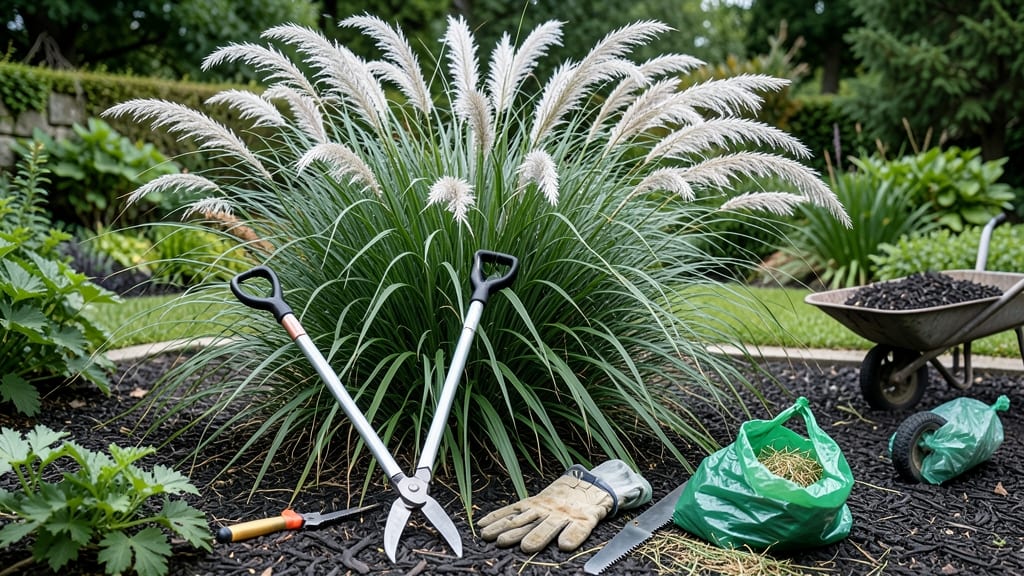
How to cut pampas grass without killing it could mean the difference between a vibrant showstopper and a sad, browned stump. I’ve watched this dramatic plant go from lush and fluffy to crispy in a single season—always after a well-meaning but disastrous pruning attempt. The key isn’t just when or how you cut; it’s understanding what’s alive and what’s already gone.
You’ll need sharp pruners or loppers (dull blades tear, not cut), gloves for those barbed edges, and a clear day to assess the plant. The best time? Late winter or early spring, when old growth is obvious but new shoots haven’t emerged yet.
Never cut in fall—you’ll remove next year’s blooms before they even form. And here’s the secret: never cut more than 1/3 of the plant at once—pampas grass is tough, but it’s not indestructible.
Start by removing only the dead, brown plumes—they’re hollow and crunchy, while live growth feels firm. Cut back to the next set of healthy leaves, leaving at least 12 inches of growth.
After pruning, give it a drink (but not a drench) and watch for new shoots in 4-6 weeks. The reward? A plant that looks like it’s been professionally styled, not hacked to the ground.
Mistakes happen—like cutting into the woody base or pruning too late—but even then, pampas grass has a stubborn way of bouncing back. The real trick is patience: with the right cuts, you’ll have fluffy plumes year after year, turning your garden into a wind-swept masterpiece without the guilt of over-trimming.
📚 In This Guide
- What you need
- Instructions
- Tips and common mistakes
- Wrapping up and next steps
What you need
- ● Sharp pruning shears or hedge clippers: Opt for bypass pruners (7-10 inches long) for clean cuts on thicker stems. Avoid dull tools—they crush instead of cut!
- ● Heavy-duty gloves: Pampas grass has sharp, spiky edges—choose gardening gloves with reinforced palms (e.g., leather or Kevlar-blend).
- ○ Loppers (optional but helpful): For thick, woody stems (1.5–2 inches thick), use bypass loppers with long handles for leverage.
- ● Pruning saw (for stubborn stems): A curved-tooth pruning saw works best for overgrown, hardened growth.
- ● Garden kneeler or stool: Pampas grass can grow 4–12 feet tall—stay comfortable with a foldable kneeler or small step stool.
- ● Safety goggles: Protect your eyes from debris and stray spikes (especially when sawing).
- ● Long sleeves/pants: Wear lightweight, breathable fabric to avoid scratches.
- ● Disposable gloves (for cleanup): After trimming, use nitrile gloves to handle the dry, dusty debris.
- ● Trash bags or compost bin: Pampas grass doesn’t decompose easily—bag the clippings or compost them separately.
- ● Timing: Trim in early spring (March–April) or late summer (August–September)—avoid cutting after first frost or during dormancy.
- ● Weather: Choose a dry, overcast day to prevent fungal growth from wet clippings.
- ● Lighting: Work in natural daylight—pampas grass can be tricky to see clearly in low light.
How to cut pampas grass without killing it: the right way to trim
Pampas grass thrives when you trim it with the plant—not against it. Here’s how to keep it lush without stressing the roots.
Identify the Best Time to Cut
Wait until late winter or early spring, just as new growth begins to sprout. This is when the plant is naturally preparing to push fresh shoots upward. If you cut back too early, you’ll remove the last year’s growth that’s still providing some protection. Look for the first signs of green emerging at the base—this is your signal to act.
Never trim in fall or winter unless you’re dealing with dead, brown plumes from the previous season. Cutting back healthy foliage during dormancy can shock the plant and leave it vulnerable to frost damage. I always mark my calendar for mid-March—just as the days start lengthening—to ensure I time it right.
Use the Right Tools for a Clean Cut
Grab a pair of sharp, heavy-duty pruning shears or a clean hedge trimmer. Dull blades tear the stems, leaving jagged edges that invite disease. I prefer bypass pruners for pampas grass because they make clean cuts without crushing the thick stems. If you’re dealing with multiple plants, a hedge trimmer with adjustable height settings will save your hands from fatigue.
Disinfect your tools with rubbing alcohol before and after trimming to prevent spreading any fungal spores. Pampas grass can be prone to rot if you introduce pathogens through dirty blades. A quick wipe-down ensures your cuts stay healthy and the plant doesn’t get stressed from hidden threats.
Trim Back to the Base—But Leave Some Structure
Cut the stems back to within 2–3 inches of the ground. This might seem drastic, but pampas grass is tougher than it looks. The key is to avoid cutting into the woody base—you’ll see a thick, brownish core where the plant stores energy. If you accidentally cut into it, the plant may take longer to recover or even die back completely.
Don’t worry about leaving a messy look after trimming. Pampas grass will regrow quickly, and the new shoots will fill in any gaps. I like to leave a few of the older, thicker stems standing if they’re still green—this helps the plant redirect energy more efficiently. Just avoid cutting into the center crown where the roots emerge.
Clean Up Debris and Fertilize Lightly
Remove all the cuttings and old plumes from the base of the plant. Leaving them piled up can trap moisture and encourage rot or pests. I use a small rake to gather up the debris and dispose of it in the compost or trash—never leave it near the plant. A quick sweep of the surrounding area keeps the space tidy and reduces the risk of disease spreading.
After trimming, give the plant a light feeding with a balanced, slow-release fertilizer. I use a 10-10-10 mix in early spring, following the package instructions for application rates. This gives the plant the nutrients it needs to bounce back strong. Avoid heavy fertilizers right after cutting—the plant is still recovering, and too much food can burn the new growth.
Monitor for New Growth and Adjust Care
Within a few weeks, you should see fresh green shoots emerging from the base. If you don’t see any new growth after 4–6 weeks, check the soil moisture—pampas grass prefers well-draining soil but can’t handle soggy roots. Water deeply once a week if your area hasn’t had rain, but avoid overwatering, which can lead to root rot.
If the plant looks stressed or the new growth is sparse, it might need more sunlight. Pampas grass thrives in full sun—at least 6 hours of direct light daily. If yours is in a shadier spot, consider transplanting it to a sunnier location next season. With the right care, your pampas grass will reward you with lush, feathery plumes all year long.
Tips & tricks for perfect pampas grass trimming
A few key insights will help you avoid the most common mistakes that turn a simple trim into a gardening disaster. Here's what I've learned after watching too many overzealous gardeners ruin perfectly healthy plants.
Timing is Everything: The mid-March window isn't just a suggestion—it's when your pampas grass naturally begins its growth cycle. If you trim too early, you're essentially cutting off the plant's winter protection. I've seen gardeners in a rush cut in February and end up with plants that took months to recover. Wait for those first green shoots at the base—it's nature's perfect signal.
Tool Selection Matters More Than You Think: That old pair of hedge clippers collecting dust in your garage? Put them away. Dull blades don't just make messy cuts—they create entry points for fungus and bacteria. I've had to replace plants after using improper tools, so invest in sharp bypass pruners. They might cost more upfront, but they'll save you money in the long run by keeping your pampas grass healthy and thriving.
Precision Cutting Technique: When you're cutting back to those 2-3 inches, visualize a clean line just above the woody base. The key is to avoid that thick brown core where the plant stores energy. I like to make my cuts at a slight angle—it helps water run off better and prevents rot. And remember, it's okay if the plant looks a little wild right after trimming. The new growth will fill in beautifully within weeks.
Post-Trim Care is Non-Negotiable: That pile of cuttings you just raked up? Don't leave them near the plant. I've seen too many cases of rot and pest infestations from neglected debris. Compost them properly or dispose of them in the trash. And when you fertilize, go light—your plant is still recovering from the trim. A 10-10-10 mix is perfect, but follow the package instructions to the letter. Too much fertilizer right after cutting can actually burn the new growth you're trying to encourage.
Pro Tips for Cut Pampas Grass Without Killing It
- A few key insights will help you avoid the most common mistakes that turn a simple trim into a gardening disaster.
- Timing is Everything: The mid-March window isn't just a suggestion—it's when your pampas grass naturally begins its growth cycle.
- Tool Selection Matters More Than You Think: That old pair of hedge clippers collecting dust in your garage?
Frequently asked questions
Got questions about trimming your pampas grass the right way? You’re not alone! Here are some of the most common concerns—plus straightforward answers to keep your plants thriving.
When is the best time to cut pampas grass?
The ideal time to trim pampas grass is late winter or early spring (just before new growth begins). Avoid cutting in fall or winter, as this can expose the plant to cold damage. For shaping, you can lightly trim in summer, but never cut more than one-third of the plant at once.
Can I cut pampas grass in the fall?
No, cutting in fall is a big no-no! Pampas grass stores energy in its stems for winter survival. Trimming too late can weaken the plant and leave it vulnerable to frost. If you must shape it, wait until after the first hard freeze—but still avoid heavy cuts.
What if I accidentally cut it too short?
Don’t panic! If you’ve trimmed too aggressively, the plant may look sad at first, but it’ll bounce back. Focus on watering deeply and fertilizing lightly in spring. Avoid cutting again until new growth appears. Over time, it’ll recover—just be patient!
Do I need to sterilize my shears between cuts?
Pampas grass can harbor fungal spores or pests. Wipe your shears with rubbing alcohol or a bleach solution (1 part bleach to 10 parts water) before and after trimming. This keeps your plants healthy and your tools sharp.
Can I use hedge trimmers on pampas grass?
Hedge trimmers work for shaping, but they can damage the delicate stems if used too aggressively. Opt for sharp bypass pruners or a handheld grass trimmer instead. For large clumps, a string trimmer (set to a higher height) is a safer bet.
Wrapping up and next steps
Cutting pampas grass the right way doesn’t have to be intimidating—it’s all about timing, technique, and a little patience. 🌿 By following these steps, you’ll keep your grass lush, healthy, and thriving year after year.
Now that you’re armed with the know-how, grab those shears and get trimming! For even better results, consider seasonal maintenance tips or exploring creative ways to use your clippings—like mulching or crafting! Your pampas grass will thank you with vibrant, fluffy plumes for seasons to come.