
Pruning
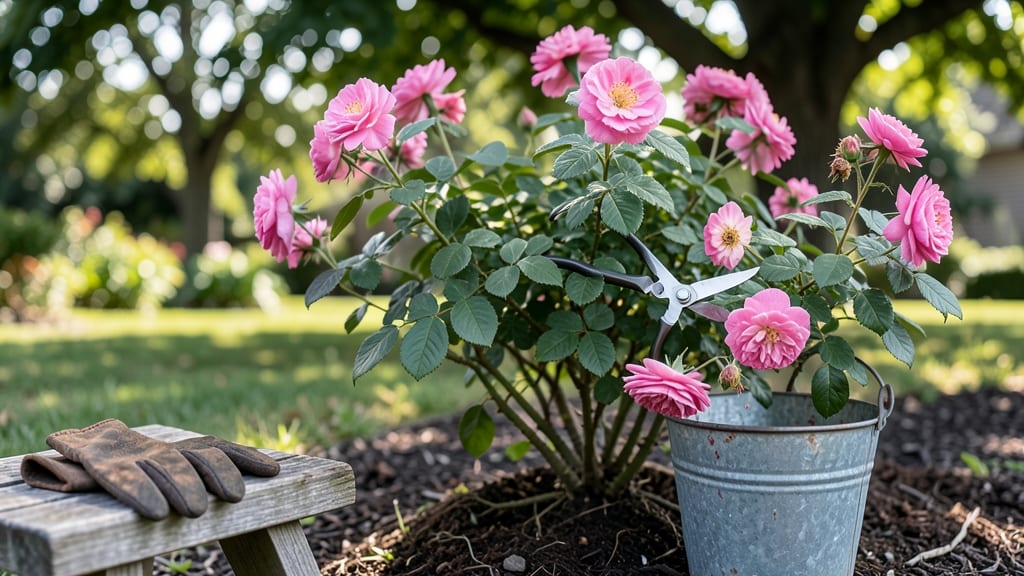
How to deadhead floribunda roses with this one simple snip keeps them blooming all season. ✂️ I used to watch my roses put all their energy into seed pods instead of flowers—until I learned this easy technique that transforms leggy bushes into nonstop bloomers.
Deadheading means cutting off spent blooms to redirect the plant’s energy toward new growth. For floribundas, timing matters: snip just above a leaf with five leaflets (that’s the growth point) when blooms fade to pink or brown.
Grab clean pruners, a sharp knife, or even your fingers for small stems—no fancy tools needed.
You’ll see clusters of fresh buds forming within weeks, with roses flowering continuously until frost. The key is consistency: check your bushes every few days during peak bloom season. Over time, your plants grow bushier and produce more vibrant blooms than store-bought roses ever could.
Works year-round in warm climates, but pause deadheading after your first frost—let the plant rest. Even in cold zones, this method sets you up for a stronger spring rebloom. Let’s get those roses back in action!
📚 In This Guide
- What you need
- Instructions
- Tips and common mistakes
- Wrapping up and next steps
What you need
- ● Pruning shears (bypass pruners): Sharp, clean shears with bypass blades (4-6" length) for precise cuts. Must be sterilized with rubbing alcohol or a 10% bleach solution to prevent disease spread.
- ● Gloves: Heavy-duty gardening gloves (cotton or leather) to protect against thorns and bacteria.
- ● Disinfectant: Rubbing alcohol (70% isopropyl) or a bleach-water mix (1 part bleach to 9 parts water) for tool sterilization.
- ● Trash bag or bucket: For collecting spent blooms and debris.
- ● Rake or small broom: To clear fallen petals and debris from the base of the plant.
- ● Loppers: For thicker stems (if your floribunda has woody growth). Choose bypass loppers with a 6-8" blade.
- ● Hand pruners with a ratchet mechanism: Reduces hand fatigue for larger jobs.
- ● Pruning saw: For stubborn, thick stems (rare in floribundas but useful for older plants).
- ● Plant food or compost: To replenish nutrients after deadheading (especially if blooms are heavy).
- ● Knee pad or stool: For comfort if your roses are tall or ground-level access is tricky.
Step-by-Step instructions for deadheading floribunda roses
Here’s the simple, foolproof method I use to keep my floribunda roses blooming nonstop—no fancy tools or guesswork required.
✂️ Step 1: Wait for the Right Time to Deadhead
Only deadhead after a bloom has fully faded and its petals start to drop naturally. I wait until the center turns brown or papery—this signals the plant has redirected energy to the next bud. Cutting too early removes buds that haven’t opened yet, and cutting too late leaves dead flower heads that drain nutrients.
Floribundas bloom in clusters, so focus on the individual flowers. If one bloom in a cluster is still vibrant while others are fading, leave it be—it’s still contributing to the plant’s energy. You’ll know you’re ready when most petals have fallen, leaving just the green sepals behind.
✂️ Step 2: Use Clean, Sharp Pruners for Precision Cuts
Grab your pruners and make a clean cut just above a set of five-leaflet leaves (called a "leaf bud") or a strong outward-facing stem. This ensures new growth emerges in the right direction and avoids leaving stubs that invite disease. I angle my cuts slightly downward to prevent water from pooling on the stem.
If you’re unsure where to cut, look for the small bump where the flower stem meets the main branch—this is your target. Never cut into old wood or you’ll sacrifice next year’s blooms. A quick wipe of your pruners with rubbing alcohol between cuts keeps bacteria from spreading.
✂️ Step 3: Remove Only the Faded Bloom, Not the Stem
Here’s where it gets simple: snip off the entire faded flower head, but leave the green seed pod (hip) intact if it’s still firm. The hip contains seeds that help the plant reproduce, and removing it too early can stress the rose. If the hip is already shriveled and brown, you can trim it back further to encourage new growth.
I always check for any remaining buds on the stem before cutting. If you see tiny green buds hiding among the petals, leave the whole cluster until they’ve fully opened. This one step prevents you from accidentally pruning off future blooms.
🌿 Step 4: Clean Up and Monitor for New Growth
After deadheading, rake up any fallen petals and debris from around the base of the plant. This reduces pests and diseases that love to hide in old flower matter. I also give the plant a light watering to help it recover from the slight stress of pruning.
Within a week, you should see new buds forming at the leaf joints where you made your cuts. If you don’t, check for signs of overwatering (yellow leaves) or underwatering (wilting). Floribundas are forgiving, but consistent moisture and proper pruning keep them blooming like clockwork.
⏰ Step 5: Repeat Weekly for Continuous Blooms
Deadheading isn’t a one-time task—it’s an ongoing routine. I set a reminder every 7-10 days to check my roses, especially during peak bloom seasons. The more you deadhead, the more energy the plant puts into producing new flowers instead of seeds.
Real talk: If you miss a few blooms, don’t stress. Even a single deadhead here and there will still extend your rose’s blooming season. The key is consistency, not perfection. With this method, my floribundas keep flowering from early summer straight through fall—and sometimes into winter, depending on the variety.
Tips & tricks for perfect floribunda rose deadheading
Keeping your floribundas blooming all season comes down to these simple but game-changing tricks that'll save you time and frustration.
Visual Cues for Timing: In Step 1, look for the "poker chip" test—when the center of the bloom feels dry and papery like a poker chip, that's your cue. I also check for the "green sepal stage" where only the green calyx remains at the base. These visual signals are foolproof for knowing when to cut, especially when you're new to deadheading.
Precision Cutting Technique: For Step 2, I use the "45-degree angle rule" when making cuts—angle your pruners downward slightly to create a natural water runoff path. This prevents water from pooling on the stem, which can cause rot. Also, always cut just above a leaf bud or outward-facing stem to encourage new growth in the right direction.
Seasonal Adjustments: During peak bloom (summer), I deadhead every 7-10 days as instructed, but in early spring or late fall, I extend this to every 2-3 weeks. Floribundas naturally slow down in cooler months, so they don't need as frequent maintenance. This simple seasonal adjustment prevents over-pruning during slower growth periods.
Tool Maintenance: After each deadheading session, I clean my pruners with rubbing alcohol between cuts (as mentioned in Step 2) and store them in a dry place. I also sharpen my blades every few months using a fine-grit file—this makes clean cuts that heal faster and reduces plant stress. Sharp tools are your secret weapon for healthy roses.
Pro Tips for Deadhead Floribunda Roses
- Keeping your floribundas blooming all season comes down to these simple but game-changing tricks that'll save you time and frustration.
- Visual Cues for Timing: In Step 1, look for the "poker chip" test—when the center of the bloom feels dry and papery like a poker chip, that's your cue.
- Precision Cutting Technique: For Step 2, I use the "45-degree angle rule" when making cuts—angle your pruners downward slightly to create a natural water runoff path.
Frequently asked questions
Got questions about deadheading your floribunda roses? You’re not alone! Here are answers to the most common queries to keep your blooms thriving all season.
When is the best time to deadhead floribunda roses?
Deadhead after a bloom fades but before its hips form (those bulbous seed pods). For continuous blooms, snip spent flowers every 2–3 days during peak bloom season (spring to fall). Avoid deadheading in late summer/fall—let some hips develop for winter interest and next year’s blooms!
Do I cut all the way back to a leaf or just above a bud?
Cut just above a five-leaflet leaf (or a bud below the faded bloom) at a <45° angle. This encourages new growth from strong nodes. Avoid cutting into old wood—floribundas bloom on current-season growth, so precision matters!
What if I missed deadheading and the bloom turned into a hip?
No stress! If hips form, you can still prune them off in early spring (just above a bud). However, leaving a few hips on one stem per plant can improve winter hardiness. Focus on removing all hips if you want to redirect energy to more blooms next season.
Can I use pruning shears or should I pinch flowers by hand?
While you can pinch small blooms by hand, sharp pruners are best for clean cuts and larger clusters. Sterilize shears with rubbing alcohol between cuts to prevent disease. For thick stems, use bypass pruners—not anvil types—to avoid crushing tissue.
Should I deadhead floribunda roses in winter?
No! Deadheading in winter stresses the plant. Instead, prune lightly in late winter/early spring (before new growth starts) to shape the plant and remove dead wood. Wait until after the last frost to resume deadheading for spring blooms.
Pro Tip:
Mark your calendar for two key deadheading windows:
- Spring: After the first flush of blooms (focus on weak stems).
- Fall: Stop deadheading 6–8 weeks before your first frost to harden off the plant.
Wrapping up and next steps
Deadheading your floribunda roses is the secret to keeping those stunning blooms coming all season long—and you just learned how easy it is! With just a few snips and a little regular care, you’ll enjoy a garden bursting with color and fragrance. 🌸
Now that you’re ready to tackle it, why not take it a step further? Try fertilizing your roses after deadheading to give them the nutrients they need for their next round of blooms. Happy pruning—and happy gardening! 🌿