Tools
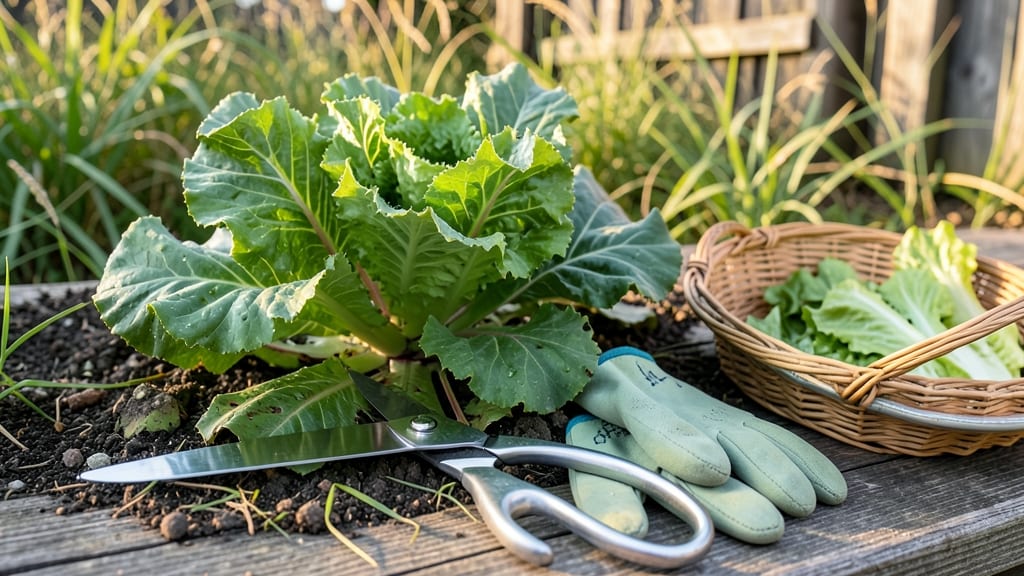
How to cut leaf lettuce from the garden starts with a single cut. ✂️ Leaf lettuce thrives when you harvest just the outer leaves, leaving the inner rosette to regrow—this method gives you continuous harvests all season long without sacrificing plant health.
The secret is precision: never take more than one-third of the plant at once, and always cut leaves at the base where they meet the stem. Use clean, sharp scissors or shears to avoid tearing, and harvest in the morning when leaves are most crisp and hydrated.
This approach keeps your plants productive for 6-8 weeks or longer with proper care.
You'll end up with tender, flavorful leaves that stay crisp longer than store-bought, while the plant keeps producing new growth. The key is consistency—harvest regularly to prevent bolting (when lettuce goes to seed) and always leave enough foliage to power photosynthesis.
Even my first attempt yielded three harvests from a single planting.
Common mistakes like over-cutting or harvesting in hot afternoons stress the plant, so time it right and be gentle. With this method, you'll enjoy fresh greens straight from your garden all season—no need to buy wilted heads from the store again.
📚 In This Guide
- What you need
- Instructions
- Tips and common mistakes
- Wrapping up and next steps
What you need
- ● Sharp chef’s knife (8–10 inches) – Critical for precision cuts and avoiding bruising.
- ● Cutting board (12x18 inches, non-slip) – Use a stable, textured surface to prevent slipping.
- ○ Clean kitchen scissors (optional) – Great for trimming outer leaves or delicate cuts.
- ● Plastic or metal bowl – For rinsing and storing harvested leaves.
- ● Spray bottle with water – Keeps lettuce fresh and reduces dust while cutting.
- ○ Gloves (optional) – If your garden has thorns or rough edges, protect your hands!
- ● Mature leaf lettuce – Harvest when leaves are 4–6 inches tall (butter lettuce) or larger (romaine).
- ● Dry, clean garden conditions – Avoid cutting after rain to prevent soil contamination.
- ● Sunny or shaded workspace – Ensures visibility and comfort while prepping.
- ● Patience and steady hands – Leaf lettuce bruises easily—take your time!
Step-by-step instructions for cutting leaf lettuce from garden
Harvesting leaf lettuce the right way keeps your plants productive and your greens crisp.
🌿 Step 1: Wait for Optimal Maturity
Harvest leaf lettuce when the outer leaves reach 3-4 inches long—this is when they're tender and flavorful. You'll notice the leaves are fully unfurled but still have a slight crispness when you gently squeeze them. Cutting too early means small, bitter leaves, while waiting too long makes them tough and stringy.
Check your plants every 2-3 days as they grow quickly. The best time to harvest is in the early morning when the leaves are cool and hydrated. This ensures peak crispness and flavor. If you notice the center leaves starting to bolt (elongate and turn bitter), it's time to harvest more aggressively to encourage new growth.
✂️ Step 2: Use the Right Tools and Technique
Use a clean, sharp pair of kitchen shears or pruning scissors—never tear leaves by hand. Dull tools crush the stems, making the lettuce wilt faster. Hold the shears at a 45-degree angle and cut just above a leaf node (the small bump where leaves attach). This encourages new growth from that point.
Start with the outer leaves first—these are mature and ready to eat. Cutting from the outside prevents damaging the inner, tender leaves that are still growing. Leave at least 1-2 inches of growth at the base to keep the plant producing. If you cut too close to the center, you'll stunt future harvests.
💧 Step 3: Harvest and Store Properly
Place freshly cut leaves in a colander and rinse briefly under cool water to remove dirt. Pat them dry gently with a clean towel or paper towels—wet leaves wilt faster. Store them in a sealed container lined with a paper towel to absorb excess moisture. Keep them in the crisper drawer of your fridge where it's 35-40°F for up to 5-7 days.
For longer storage, wrap the leaves loosely in a damp paper towel and place them in a plastic bag with small air holes. This method keeps them fresh for up to 10 days. Avoid washing leaves until you're ready to use them—excess moisture speeds up spoilage. If you notice yellowing or wilting, harvest more frequently to encourage fresh growth.
☀️ Step 4: Encourage Regrowth After Harvesting
After harvesting, water the base of the plant deeply to encourage new growth. Lettuce roots are shallow, so 1 inch of water should soak the soil evenly. Avoid overhead watering, which can spread disease. Within 3-5 days, you should see new leaves emerging from the center—this is your signal that the plant is recovering well.
If your lettuce starts to bolt (send up tall stems with flowers), it's a sign it's time to harvest more aggressively or consider succession planting. Bolted lettuce becomes bitter, but you can still use the leaves before the stems elongate. Mulch around the base with 1-2 inches of straw to keep the soil cool and retain moisture, which slows bolting in hot weather.
Tips & tricks for perfect garden lettuce harvests
These simple tricks will help you get the most from your leaf lettuce while keeping your plants thriving.
Timing is Everything: The early morning harvest window is non-negotiable for crispness. I've learned this the hard way—lettuce harvested in the afternoon wilts faster, even when stored properly. The morning dew keeps leaves hydrated and firm. If you absolutely must harvest later, work with leaves that have been in the shade all day—they'll hold up better.
Tool Technique: That 45-degree angle cut isn't just arbitrary—it's the secret to continuous harvests. I used to cut straight across, which left ugly stubs and stunted regrowth. The angled cut exposes more leaf surface to sunlight while preserving the growing point. For larger batches, consider a small pruning saw—it cuts through tougher stems without crushing the delicate leaves.
Storage Hack: The damp paper towel method works wonders, but here's the pro move: twist the paper towel slightly before wrapping. This creates tiny air channels that prevent condensation buildup, which is what causes that dreaded slimy texture. I also like to place a single dry paper towel at the bottom of my storage container first—this soaks up any moisture that might transfer from the lettuce.
Regrowth Rescue: When your lettuce starts bolting, don't panic—harvest the outer leaves aggressively and use them immediately in salads or sandwiches. The bitter stems can be blanched and used in soups or pestos. I've saved many a plant this way, especially in hot weather. For extreme cases, consider harvesting the entire plant, chopping the leaves, and freezing them for later use.
Pro Tips for Cut Leaf Lettuce From Garden
- These simple tricks will help you get the most from your leaf lettuce while keeping your plants thriving.
- Timing is Everything: The early morning harvest window is non-negotiable for crispness.
- Tool Technique: That 45-degree angle cut isn't just arbitrary—it's the secret to continuous harvests.
Frequently asked questions
Got questions about harvesting leaf lettuce like a pro?
You’re not alone! Here are answers to the most common queries—from timing to tools—to ensure your garden lettuce stays fresh and delicious.
When is the best time to harvest leaf lettuce?
Harvest leaf lettuce in the early morning when temperatures are cool and the leaves are crisp. Avoid cutting after heavy rain or during peak heat (like midday), as this can make the leaves soggy or wilted. For continuous harvests, pick outer leaves first, allowing the inner core to regrow.
Do I need special tools to cut leaf lettuce?
Nope! A sharp pair of kitchen scissors or clean garden shears work great for clean cuts. For larger batches, a serrated knife or a lettuce harvester (a handheld tool with a looped blade) can speed up the process. Just avoid dull tools—they crush leaves and invite pests.
Can I harvest leaf lettuce if it’s bolted or bitter?
If your lettuce has bolted (sent up flower stalks) or turned bitter, it’s past its prime for fresh eating. However, you can still:
- Use the leaves in cooked dishes (like soups or stir-fries) before they get too tough.
- Let it go to seed and save seeds for next season.
- Pull it and compost it to prevent reseeding where you don’t want it.
How often should I harvest leaf lettuce?
Leaf lettuce thrives on regular harvesting. Pick outer leaves every 1–2 weeks to encourage new growth. If you wait too long, the plant may bolt or become woody. For baby leaves, you can harvest in as little as 3–4 weeks after planting!
Why does my lettuce turn yellow or wilt after cutting?
Yellowing or wilting after harvest usually means:
- Overcrowding: Trim back neighboring plants to improve airflow.
- Underwatering: Keep soil consistently moist (but not soggy).
- Heat stress: Provide shade cloth if temps exceed 80°F (27°C).
- Pests/disease: Inspect for aphids or fungal spots—remove affected leaves immediately.
Can I grow leaf lettuce year-round?
Leaf lettuce is cool-season crop, so it grows best in spring and fall. In warm climates, use shade cloth or grow it in winter for harvests. In colder regions, start seeds indoors 8–10 weeks before the last frost or use a cold frame for extended seasons.
Wrapping up and next steps
Harvesting leaf lettuce with precision doesn’t have to be intimidating—just follow these simple steps to enjoy fresh, crisp greens straight from your garden! 🌱 Whether you’re a seasoned gardener or a beginner, mastering the art of stripping leaves ensures you get the most from your plants while encouraging regrowth.
Now that you’re equipped with the right tools and techniques, take the next step: try harvesting a small batch today and savor the satisfaction of homegrown, restaurant-quality greens!
Pro tip: Share your harvest with friends or experiment with new recipes—your garden’s bounty deserves to be celebrated! 🎉