
Tools
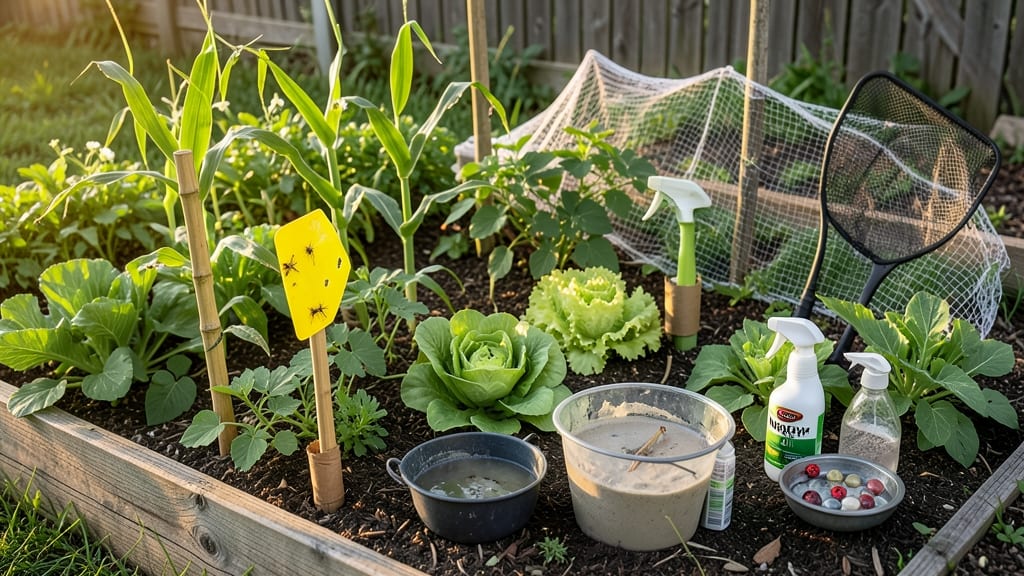
How to control grasshoppers in the garden—I learned the hard way last summer when they turned my zucchini leaves into lace. The damage wasn't just unsightly—it wiped out half my harvest before I even noticed. What saved my garden was a fine white powder that starves pests dry without harming plants or pollinators.
Diatomaceous earth works by dehydrating grasshoppers' waxy outer layer, but timing matters. Apply it on calm, dry mornings when dew has evaporated but before the heat of midday. Sprinkle a thin layer around plants, focusing on egg-laying spots and high-traffic areas where you spot damage first.
You'll see results within days—not because it kills instantly, but because grasshoppers avoid treated areas. Reapply after rain or every 2-3 weeks during peak season. The best part? It's safe for kids and pets once settled, and you can use it alongside other methods like row covers or beneficial insects.
Works for vegetable gardens, flower beds, and even lawn edges where grasshoppers gather. The key is consistency—don't wait until you're seeing damage daily. Early intervention means fewer chewed leaves and more harvests to enjoy.
Root Causes Of Grasshopper Outbreaks
Grasshoppers don’t just appear in your garden out of nowhere—they’re drawn by a mix of environmental, ecological, and human-influenced factors. Understanding these triggers is the first step to stopping them before they become a full-blown infestation. Here’s why your garden might be turning into a grasshopper buffet:
Grasshoppers are herbivores, and they thrive where food is abundant. Your garden may be an all-you-can-eat buffet if:
- Grasses and weeds dominate: Tall fescue, Bermuda grass, and broadleaf weeds like pigweed or ragweed are top choices for grasshoppers. These plants provide both shelter and sustenance.
- Lush, unmanaged lawns: Dense, uncut grass creates microclimates that retain moisture—ideal for grasshopper eggs hatching and nymphs growing.
- Monoculture plantings: Gardens with only one type of plant (e.g., rows of corn or sunflowers) offer grasshoppers a nonstop food source, making them more likely to stay and multiply.
Science note: Grasshoppers prefer C4 plants (like corn, sorghum, and many grasses) because their high sugar content fuels rapid growth. A diverse garden disrupts their feeding patterns.
Grasshoppers love heat and drought. Here’s why:
- Dry soil = easier egg-laying: Female grasshoppers dig shallow trenches (1–2 inches deep) to deposit eggs. Sandy or cracked soil makes this process effortless.
- Sun exposure speeds up development: Warmth accelerates their life cycle—eggs hatch faster, nymphs mature quicker, and adults reproduce more often.
- Water-stressed plants = sweeter snacks: Drought-stressed vegetation often has higher sugar content, making it more appealing to grasshoppers.
Data point: Studies show grasshopper populations double in dry years compared to wet ones. If your region has had back-to-back dry seasons, brace for an outbreak.
Grasshoppers are part of a delicate food chain. When their predators disappear, their numbers explode. Common predators include:
- Birds: Meadowlarks, sparrows, and killdeer feast on grasshoppers—but urbanization and pesticides have reduced bird populations by up to 70% in some areas.
- Spiders: Orb-weaver and wolf spiders are grasshopper hunters, but chemical pesticides kill them too.
- Insects: Parasitic flies (like Tachinidae) and ground beetles prey on grasshopper eggs and nymphs.
- Small mammals: Mice, shrews, and even toads eat grasshopper eggs—but habitat loss limits their impact.
Key takeaway: If your garden lacks diverse wildlife (e.g., no birdhouses, hedgerows, or pesticide-free zones), grasshoppers have zero natural checks.
Grasshoppers aren’t picky—they’ll move into your garden if their original habitat is destroyed. Common sources:
- Farmland expansion: Plowing fields or clearing land for development displaces grasshoppers, forcing them into nearby gardens.
- Irrigation runoff: Excess water from farms or golf courses can wash eggs and nymphs into your yard.
- Lawn fertilizers & pesticides: While these may kill some pests, they also eliminate predator populations, creating a grasshopper-friendly vacuum.
Fun fact: The Great Plains sees massive grasshopper migrations because monoculture farming removes their natural barriers. Your suburban garden can face the same issue on a smaller scale.
Pro tip: 🔍 Inspect your garden’s edges—if you see bare patches of soil or wilted plants in straight lines, grasshoppers may have already started their feast. Act now before they multiply!
Natural Fixes for Grasshopper Overruns
Grasshoppers may seem unstoppable, but with the right mix of prevention and targeted solutions, you can reclaim your garden—without harsh chemicals. Below, we map common causes to proven fixes, from quick fixes to long-term strategies.
---
Grasshoppers thrive where plants are stressed or overgrown. A lush, diverse garden is their least favorite buffet.
How to Fix It: - 🔥 Boost Plant Health – Water deeply but infrequently (1–2 inches per week) to encourage strong root growth. Avoid over-fertilizing with nitrogen-heavy feeds, which attract pests. - 🍳 Diversify Your Garden – Plant a mix of herbs (basil, mint), flowers (marigolds, cosmos), and veggies. Grasshoppers prefer monocultures like corn or alfalfa. - 👨🍳 Prune Strategically – Trim dense foliage to improve airflow and reduce hiding spots. Focus on low-growing plants where nymphs (baby grasshoppers) love to nest.
Prevention Tip: 💡 Interplant "trap crops" like sunflowers or beans near high-value plants. Sacrifice a few rows to lure grasshoppers away from your tomatoes or lettuce.
---
Grasshoppers are food for birds, spiders, toads, and even parasitic wasps—but if these helpers are missing, the pests multiply.
How to Fix It: - 🐦 Invite Beneficial Wildlife – - Hang birdhouses or bat boxes near your garden. - Install a small water feature (even a shallow dish) to attract toads and frogs. - Leave leaf litter in shady corners for ground beetles and spiders. - 🔪 Introduce Nematodes – Microscopic beneficial nematodes (Steinernema carpocapsae) hunt grasshopper eggs in the soil. Apply in early spring or fall when eggs are laid. - 🌡️ Encourage Parasitic Wasps – These tiny wasps lay eggs inside grasshopper eggs, killing them from within. Plant dill, fennel, or carrots to attract them.
Prevention Tip: ✨ Avoid pesticides (even "organic" ones like neem oil) that kill beneficial insects. Spot-treat only when necessary.
---
Grasshoppers favor dry, hard-packed soil where their eggs can’t be flushed out by rain. Compacted dirt also stresses plants, making them more vulnerable.
How to Fix It: - 💧 Improve Soil Moisture – - Mulch heavily (2–3 inches of straw or wood chips) to retain moisture and deter hoppers from laying eggs. - Aerate the soil in spring with a garden fork to break up compaction. - 🥗 Add Organic Matter – Mix in compost or aged manure to loosen soil and improve water retention. - 🎯 Target Egg Laying Sites – Grasshoppers bury eggs in bare soil, gravel, or dry mulch. Rake these areas in late summer/early fall to expose and destroy eggs before they hatch.
Prevention Tip: 🔥 Use diatomaceous earth (DE) as a preventive barrier around garden edges. Reapply after rain—it works by dehydrating insects but is safe for plants and pets once settled.
---
If grasshoppers are already munching your zucchini or roses, act quickly with these short-term solutions.
How to Treat It: - 🕊️ Handpick & Drown – - Morning or evening (when grasshoppers are sluggish), shake them into a bucket of soapy water. - Focus on large adults first—they do the most damage. - 🌪️ Use a Strong Blast – A shop vac or leaf blower can knock them off plants (but avoid damaging blooms). - 🛡️ Physical Barriers – - Floating row covers (lightweight fabric) over young plants. - Copper tape around raised beds (grasshoppers dislike the sensation).
Pro Tip: ⏰ Act before noon—grasshoppers are most active in the heat, making them easier to spot and remove.
---
For a sustainable garden, combine prevention + natural repellents to keep grasshoppers out for good.
| Method | How It Works | Best For | |--------------------------|------------------------------------------|-------------------------------| | Diatomaceous Earth (DE) | Starves insects by damaging exoskeletons | Dry, dusty conditions | | Garlic/Chili Spray | Strong scent repels hoppers | Leafy greens, herbs | | Beer Traps | Grasshoppers drown in shallow beer-soaked containers | Small-scale infestations | | Planting Garlic & Onions | Natural deterrent scent | Perennial borders |
Prevention Tip: 🌿 Rotate crops annually to disrupt grasshopper life cycles. They remember favorite spots!
--- Final Note: Consistency is key. Check your garden weekly for early signs (chewed leaves, egg pods in soil) and act before populations explode. With these strategies, your garden will stay lush—and grasshopper-free! 🌱💚
Frequently asked questions
When is the best time to apply diatomaceous earth for grasshopper control?
Apply diatomaceous earth on calm, dry mornings after dew has evaporated but before midday heat. This ensures the powder sticks to grasshoppers' legs, dehydrating them. Reapply after rain or every 2-3 weeks during peak season (late spring to early fall).
Will garlic or chili sprays really keep grasshoppers away?
Yes! Mix 1 tablespoon of garlic powder or cayenne pepper with 1 quart of water and a drop of dish soap. Spray on plants (especially leafy greens) every 3-5 days. The strong scent masks plant odors that attract grasshoppers. Reapply after rain.
How do I know if grasshoppers are laying eggs in my garden?
Look for small, football-shaped pods (1/4-inch long) buried 1-2 inches deep in dry, bare soil or mulch. These appear in late summer/early fall. Rake these areas to expose and destroy eggs before they hatch in spring.
Can I use beer traps for grasshoppers, and how effective are they?
Yes! Fill shallow containers with beer and bury them 1-2 inches deep in soil. Grasshoppers are attracted to the yeast and drown. Place 3-5 traps per 100 square feet and refresh weekly. Works best for small infestations in vegetable gardens.
Are there any plants that naturally repel grasshoppers?
Plant garlic, onions, mint, basil, or marigolds near vulnerable plants. These emit strong scents that mask plant odors grasshoppers seek. Sunflowers also work as trap crops—plant them away from your main garden to lure hoppers.