
How To
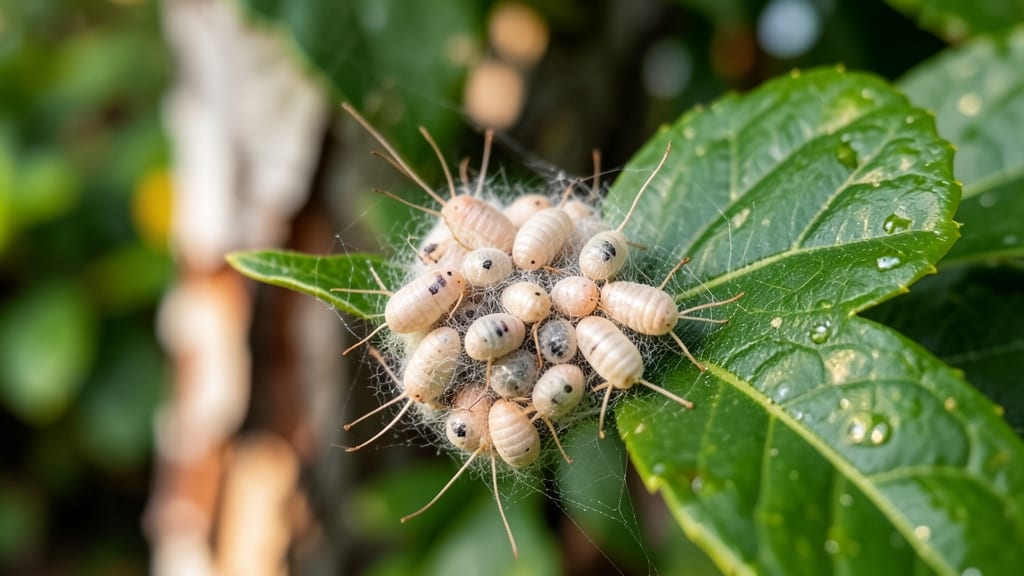
How to control mealybugs on outdoor shrubs before they turn your plants into sticky, white messes faster than you can say "pest control." 🌿 I've battled these cottony critters on roses, azaleas, and even my prized boxwoods—here's how to stop them before they ruin your plants. The first step is identifying them: those tiny, white, cottony clusters hiding under leaves or along stems are mealybugs. They suck sap, leaving behind sticky residue that attracts ants and sooty mold. Once you spot them, act fast—neem oil spray is my go-to because it disrupts their life cycle without harming your plants. You’ll mix neem oil with water and a drop of dish soap, then spray every 5-7 days until they’re gone. It’s not instant, but it works—my azaleas bounced back in just two weeks with consistent treatment. The key is patience and persistence. This method works for most outdoor shrubs, even in humid climates. For extra protection, introduce ladybugs or lacewings—they eat mealybugs naturally. Let’s get those shrubs looking healthy again!
Root Causes Of Mealybug Infestations
Mealybugs don’t just appear out of nowhere—they’re drawn to specific conditions that make your outdoor shrubs an all-you-can-eat buffet. Understanding these triggers is the first step to stopping them before they take over. Let’s break down the real reasons these fluffy white pests invade your plants.
---
Mealybugs thrive when plants are stressed, making them easier targets. Here’s why:
- Nutrient Deficiencies: Shrubs lacking nitrogen, phosphorus, or potassium become less resilient. Why? These nutrients fuel a plant’s immune response—without them, mealybugs detect fewer chemical defenses (like alkaloids or tannins) and go for the easy meal. - Signs: Yellowing leaves, stunted growth, or soft stems. - Fix: Test soil pH (ideal: 6.0–7.0) and amend with compost or slow-release fertilizer.
- Overwatering or Poor Drainage: Soggy roots and fungal infections (like root rot) weaken plants, releasing sugars that attract mealybugs. Fun fact: Mealybugs secrete honeydew, which can actually feed fungi growing on your shrubs—a vicious cycle! - Signs: Mushy stems, wilting despite wet soil, or mold on soil surface. - Fix: Improve drainage with perlite or raised beds; water deeply but infrequently.
- Physical Damage: Pruning cuts, hail, or pest bites (like spider mites) create entry points for mealybugs. Think of it like a broken skin barrier—invaders rush in. - Fix: Seal cuts with horticultural sealant; avoid over-pruning during peak mealybug season (spring/fall).
---
Mealybugs love warm, humid microclimates—your shrubs might be creating the perfect hideout without you realizing it.
- Warmth and Shelter: These pests adore temperatures between 70–85°F (21–29°C) and thrive in dense foliage where they’re protected from predators (like ladybugs) and sprays. - Hotspots: South-facing shrubs, thick evergreens, or mulch piles near stems. - Fix: Prune for airflow; avoid over-mulching near the base.
- Honeydew and Sooty Mold: Mealybugs excrete sticky honeydew, which attracts ants (their protectors) and feeds sooty mold—a black fungal growth that blocks sunlight. This creates a feedback loop: More mold = weaker plant = more mealybugs. - Signs: Black streaks on leaves or ants trailing up stems. - Fix: Wipe honeydew with a damp cloth; use ant barriers (like diatomaceous earth) to deter their "bodyguards."
- New Growth: Young, tender shoots are mealybug magnets because their thin cell walls are easier to pierce. Pro tip: They often target new leaves, flower buds, and root grafts (like in grafted roses). - Fix: Monitor new growth closely; use neem oil preventatively on vulnerable areas.
---
Sometimes, well-meaning gardening practices accidentally invite mealybugs. Here’s how:
- Over-Fertilizing with High Nitrogen: Too much nitrogen promotes soft, sugary growth—mealybugs’ favorite snack. Irony alert: You’re feeding your plants, but also their pests! - Fix: Switch to balanced fertilizers (e.g., 10-10-10) or organic options like fish emulsion.
- Bringing Infested Plants Home: Mealybugs hitchhike on nursery plants, cuttings, or even tools. One infected shrub can contaminate your entire garden. - Fix: Quarantine new plants for 2 weeks; inspect leaves/stems with a magnifying glass.
- Ignoring Beneficial Predators: Birds, lacewings, and parasitic wasps naturally control mealybugs. If you’re using broad-spectrum pesticides, you’re likely killing these allies too. - Fix: Skip chemical sprays; encourage predators with native plants (e.g., dill, yarrow).
---
Key Takeaway: Mealybugs exploit weak plants, hidden niches, and gardener mistakes. The good news? Fixing these issues dramatically reduces their numbers—often before you even need to spray. Start with soil health, airflow, and vigilance, and you’ll starve them out fast.
Natural Fixes That Work Fast
Mealybugs may be stubborn, but with the right approach, you can reclaim your shrubs without harsh chemicals. Below, we’ve mapped out targeted solutions based on the root causes—whether it’s overcrowded plants, poor drainage, or an infestation already in progress.
Each fix is designed to be easy, effective, and eco-friendly, so you can tackle the problem step by step.
---
Cause: Mealybugs thrive where plants are weak or shaded. Fix: - 🔪 Prune aggressively to improve airflow. Remove dead or overly dense branches—mealybugs hide in tight spots! - 🌱 Repot or transplant shrubs if they’re root-bound. Use well-draining soil (mix in perlite or sand). - 💧 Water at the base (not overhead) to avoid wetting leaves, which attracts mealybugs.
💡 Pro Tip: After pruning, sanitize shears with rubbing alcohol to prevent spreading pests.
---
Cause: Mealybugs are already feeding on your plants. Fix: 1. 🥘 Neem Oil Spray (Best for Breaking Life Cycles) - Mix 1 tbsp neem oil + 1 tsp mild soap + 1 quart water in a spray bottle. - 👨🍳 Spray thoroughly (undersides of leaves, stems, and buds) every 5–7 days for 2–3 weeks. - Why it works: Disrupts mealybug hormones and smothers eggs.
2. 🌿 Horticultural Oil (For Heavy Infestations) - Apply early morning or late evening (avoid direct sun) to prevent plant burn. - Reapply every 7–10 days until pests vanish.
3. 🍋 Vinegar & Soap Spray (Quick Knockdown) - Combine 1 cup water + 1 tbsp white vinegar + 1 tsp dish soap. - ⚠️ Test on a small leaf first—vinegar can harm some plants. - Spray directly on mealybugs (they’ll drop off within hours).
--- Cause: Early-stage outbreaks with few bugs. Fix: - 🧼 Cotton Swab Method: - Dip a cotton swab in rubbing alcohol (70%+). - 🔍 Wipe each bug—they’ll dissolve instantly. - Dispose of swabs in soapy water (not trash) to kill eggs.
- 🌊 Water Blast: - Use a strong stream of water to knock bugs off stems and leaves. - Follow up with neem oil to prevent regrowth.
--- Cause: Recurring infestations due to poor garden hygiene. Fix: - 🌿 Introduce Beneficial Insects: - Ladybugs and lacewings eat mealybugs. Buy them online or attract them with dill or fennel plants. - 🌡️ Maintain Temperature Balance: - Mealybugs love warm, humid conditions.
Ensure good airflow and avoid overwatering. - 🎯 Regular Inspections: - Check new plants before adding them to your garden (quarantine for 2 weeks). - 🔍 Look for cottony white patches—act fast if you spot them!
--- If mealybugs keep returning despite your efforts, consider: - 🐜 Professional pest control (for severe cases). - 🌱 Replacing heavily infested shrubs if they’re not responding.
--- 💡 Final Reminder: Consistency is key! Mealybugs reproduce quickly, so stick to your treatment schedule for at least 3–4 weeks to break their life cycle. Your shrubs will thank you with lush, pest-free growth in no time!
Frequently asked questions
How often should I spray neem oil to eliminate mealybugs?
Apply neem oil spray every 5-7 days for at least 2-3 weeks to break their life cycle. Consistency is key—mealybugs reproduce quickly, so don't skip treatments. Always spray in the early morning or evening to avoid sunburn on leaves.
Will vinegar harm my shrubs if I use it to control mealybugs?
Vinegar can damage some plants, especially when used undiluted. Always test on a small leaf first—mix 1 cup water + 1 tbsp white vinegar + 1 tsp dish soap for a safer solution. Avoid using vinegar on acid-sensitive shrubs like azaleas or hydrangeas.
What should I do if mealybugs keep coming back after treatment?
Recurring infestations often mean hidden eggs or underlying plant stress. Inspect thoroughly (especially under leaves and in leaf axils), then combine treatments: use neem oil + introduce ladybugs + improve plant health with balanced fertilizer. Check for ants too—they protect mealybugs!
Can I use the same spray bottle for mealybugs and other garden pests?
No, cross-contamination can spread pests or reduce effectiveness. Use separate spray bottles for different treatments. Clean bottles with soapy water and rubbing alcohol between uses. Always store sprays in a cool, dark place away from direct sunlight.
How do I know if my shrubs are healthy enough to recover from mealybug damage?
Healthy shrubs show vibrant green leaves, new growth, and no wilting. If your plants are already struggling (yellowing, stunted growth), focus on soil amendments and proper watering first. Mealybugs thrive on weak plants—strengthen roots before treating pests.