
Pests
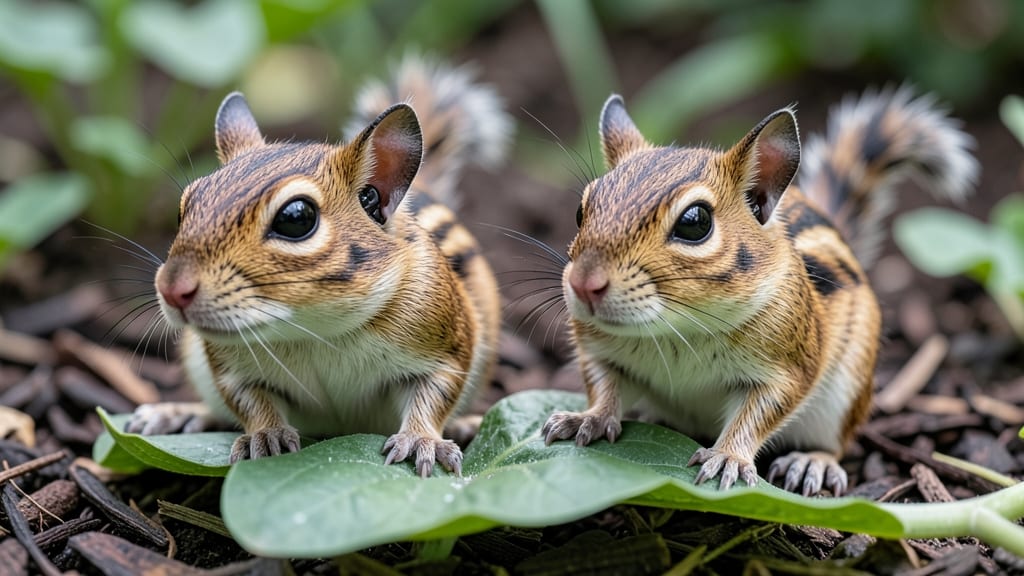
How to control those tiny striped bandits wrecking your garden before you even notice. 🌱 Chipmunks may look cute, but they’ll dig up every bulb and snack on your seedlings faster than you can say "spring planting." The good news? You don’t need cruel traps or poisons to send them packing—just smart, humane tactics that actually work.
Most people fail because they focus on the wrong things: chasing chipmunks away with noise or trying to outsmart them with flimsy barriers. Instead, we’re talking about habitat tweaks that make your garden less appealing, physical blockades they can’t chew through, and natural deterrents that keep them away without harm.
Think of it like gardening with a security system—except the system is plants, scent, and clever placement.
By the end, your bulbs stay buried, your seedlings grow untouched, and those little thieves get the message: your garden’s off-limits. The best part? These methods work for years, not just one season, and they’re kinder to critters than anything you’d find in a hardware store.
Let’s outsmart them the right way.
Fair warning: chipmunks are persistent, so this isn’t a one-and-done fix. But with a little patience and the right approach, you’ll reclaim your garden—without guilt or cruelty. Ready to turn those digging tunnels into history?
Root Causes Of Chipmunk Encounters
Chipmunks may seem like harmless, cute woodland creatures, but when they invade your yard or home, they can become a nuisance. Understanding why they’re drawn to your property is the first step in humane control.
These tiny rodents are highly adaptable and opportunistic, meaning they exploit weaknesses in your environment. Below, we break down the key reasons chipmunks take up residence near—or inside—your home, backed by science and actionable insights.
Chipmunks are foraging specialists, meaning they spend up to 80% of their day searching for food. If your property offers easy access to their favorite snacks, they’ll stick around. Their diet includes:
- Seeds and nuts (especially sunflower, acorns, and peanuts) – Studies show chipmunks can cache up to 10,000 seeds in a single season!
- Fruits and berries (apples, grapes, and tomatoes are top targets)
- Insects and grubs (they’ll dig up lawns to feast on larvae)
- Pet food and birdseed (left in bowls or spilled on the ground)
Why it matters: Chipmunks have excellent memories and will return to reliable food sources. If your garden, compost pile, or bird feeder is a buffet, they’ll treat your yard like their personal pantry. Actionable fix: Secure trash cans, remove fallen fruit, and choose birdseed with larger pieces (chipmunks struggle with small seeds like thistle).
Chipmunks need dry, protected spaces to nest, especially during winter. If your home provides easy access to these spots, they’ll move in—even if it’s just under your porch or in a pile of debris. Their ideal nesting sites include:
- Gaps in foundations or siding (even a dime-sized hole is enough for them to squeeze through)
- Attics and crawl spaces (insulated areas trap heat, making them cozy)
- Piles of leaves, mulch, or wood (natural debris offers camouflage and insulation)
- Underground burrows (they dig extensive tunnel systems with multiple chambers)
Why it matters: A single female chipmunk can have 6-8 babies per year, and each litter needs a safe nesting site. If your property lacks natural predators (like owls or foxes) and offers easy shelter, their population will grow unchecked. Actionable fix: Seal entry points with steel wool or hardware cloth, remove leaf litter near the foundation, and store firewood at least 20 feet away from your home.
Chipmunks are prey animals, and their survival depends on avoiding predators like:
- Birds of prey (hawks, owls, and eagles)
- Snakes (especially rat snakes and gopher snakes)
- Foxes, coyotes, and bobcats (they hunt chipmunks opportunistically)
- Domestic cats and dogs (if allowed to roam freely)
Why it matters: In suburban and urban areas, predator populations are often lower due to habitat loss, pesticide use, or human intervention (e.g., feeding pets outdoors). Without natural checks, chipmunk populations explode. Actionable fix: Create a predator-friendly environment by installing owl boxes, avoiding pesticides that harm snakes, and encouraging native vegetation that attracts birds of prey.
Chipmunks are highly active during spring and summer but may seek shelter indoors when temperatures drop or food becomes scarce. Their behavior shifts with:
- Food scarcity in winter – They’ll raid bird feeders or dig up bulbs in gardens for stored energy.
- Mating season (spring) – Males become aggressive and roam widely, increasing conflicts with humans.
- Rainy or cold weather – They seek dry, warm spaces, often leading to indoor invasions.
Why it matters: If you notice chipmunks suddenly appearing in late fall or early spring, it’s likely due to seasonal food shortages or nesting needs. Actionable fix: Monitor activity patterns and seal entry points before winter to prevent them from moving inside. Use one-way exclusion devices (like Chipmunk Chute) to let them leave but not return.
Chipmunks don’t invade your property out of malice—they’re simply following instinct. By addressing food, shelter, predator presence, and seasonal triggers, you can make your yard less appealing to them without resorting to harmful traps. The key is proactive prevention paired with humane deterrents.
Humane Ways to Manage Chipmunk Problems
Now that you understand why chipmunks invade your space, it’s time to tackle the issue with effective, ethical solutions. The key is to address the root cause while ensuring these tiny but determined critters aren’t harmed.
Below are practical, step-by-step fixes tailored to common chipmunk triggers, along with prevention tips to keep them away for good.
---
Chipmunks love to burrow, and their tunnels can damage lawns, gardens, and even foundations. To discourage this behavior:
#### 🌱 Block Access Points - Install hardware cloth (not chicken wire—it’s too flimsy) over garden beds, flower pots, and vulnerable soil areas. Bury it 12 inches deep to prevent digging underneath. - Use smooth rocks or mulch around entry points to make burrowing difficult.
Chipmunks dislike rough textures under their paws.
#### 🚫 Remove Food Sources - Secure trash cans with bungee cords or locking lids. Chipmunks are attracted to scraps, so make sure bins are tightly sealed. - Clean up fallen fruit, nuts, or seeds from trees and shrubs. Store pet food indoors overnight.
#### 💡 Pro Tip: If you spot fresh mounds, fill them with water—chipmunks will avoid soggy tunnels. Repeat this a few times to reinforce the message.
---
These striped bandits adore veggies, fruits, and seeds. Protect your harvest with these low-effort strategies:
#### 🛡️ Use Physical Barriers - Plant chipmunk-resistant crops like marigolds, onions, or peppers (they dislike the smell). Surround vulnerable plants with these as a natural deterrent. - Erect a fence at least 2 feet high with 1-inch gaps at the bottom to block tiny intruders.
Bend the bottom outward to prevent climbing.
#### 🌿 Scare Them with Natural Repellents - Spray peppermint oil (diluted with water) around garden edges. Chipmunks hate the strong scent—reapply after rain. - Plant daffodils or alliums near your veggies. Their bulbs emit odors that repel burrowing pests.
#### ⏰ Set Up a Distraction - Create a chipmunk buffet in a corner of your yard far from the garden. Bury unsalted peanuts or sunflower seeds in a shallow hole. They’ll focus on this instead of your tomatoes!
---
Chipmunks may squeeze into garages, sheds, or even wall voids—especially if they’re seeking shelter from predators or cold weather.
#### 🔧 Seal Entry Points - Inspect your home’s exterior for gaps larger than ½ inch. Use steel wool + caulk or expanding foam to seal cracks in siding, vents, and foundation gaps. - Install door sweeps on garage and shed doors to block tiny openings.
#### 🚨 Humane Removal - Wait until dusk when chipmunks are most active. Use a long-handled trap (like a Havahart box trap) baited with peanut butter or seeds. - Relocate them at least 2 miles away in a wooded area. Check local laws—some regions prohibit relocation without a permit!
#### 💡 Pro Tip: If you hear scratching inside walls, listen for activity at night. If it stops after a few days, they may have moved on. If not, it’s time to call a wildlife removal professional.
---
Once you’ve addressed the immediate issue, keep chipmunks from returning with these easy maintenance habits:
- 🌳 Trim tree branches hanging over your roof or near windows. Chipmunks use them as highways into your home. - 🌡️ Keep outdoor spaces tidy: Piles of wood, leaves, or debris create perfect hiding spots.
Store firewood elevated and covered. - 🎯 Use motion-activated sprinklers (like ScareCrow) in garden beds. The sudden spray startles them without harm. - 🐿️ Encourage natural predators: Owls, snakes, and cats (if you have one) can help keep chipmunk populations in check.
--- Final Thought: Chipmunks are just trying to survive—don’t make them fight for it. With a little patience and the right tools, you can outsmart, not out-harm, these energetic little visitors. 🐿️✨
Frequently asked questions
What's the fastest way to stop chipmunks from digging up my garden?
Use a combination of hardware cloth barriers (bury 12 inches deep) and peppermint oil sprays around vulnerable areas. Chipmunks hate the scent and can't dig through sturdy materials. For immediate results, fill active burrows with water—they'll avoid soggy tunnels.
Will predator decoys like fake owls work long-term?
Not reliably. Chipmunks are smart and will quickly learn decoys are fake. Instead, attract real predators by installing owl boxes or planting native vegetation that draws birds of prey. Combine this with other deterrents like motion-activated sprinklers for better results.
Can I use mothballs to repel chipmunks?
No—mothballs contain toxic chemicals that harm wildlife and pets. Use natural alternatives like castor oil or hot pepper sprays instead. These are safe, effective, and won't poison the environment.
How do I keep chipmunks out of my bird feeder?
Switch to caged feeders with small openings (chipmunks can't reach through). Place feeders on poles with baffles, and avoid scattering seed on the ground. For extra protection, use safflower seeds—chipmunks dislike the taste.
What should I do if chipmunks are nesting in my walls?
Wait until the young are independent (usually by late summer). Then seal entry points with steel wool + caulk. If you hear activity after 2 weeks, they've likely moved on. For persistent cases, contact a wildlife professional—they can use one-way exclusion devices.