
Propagation
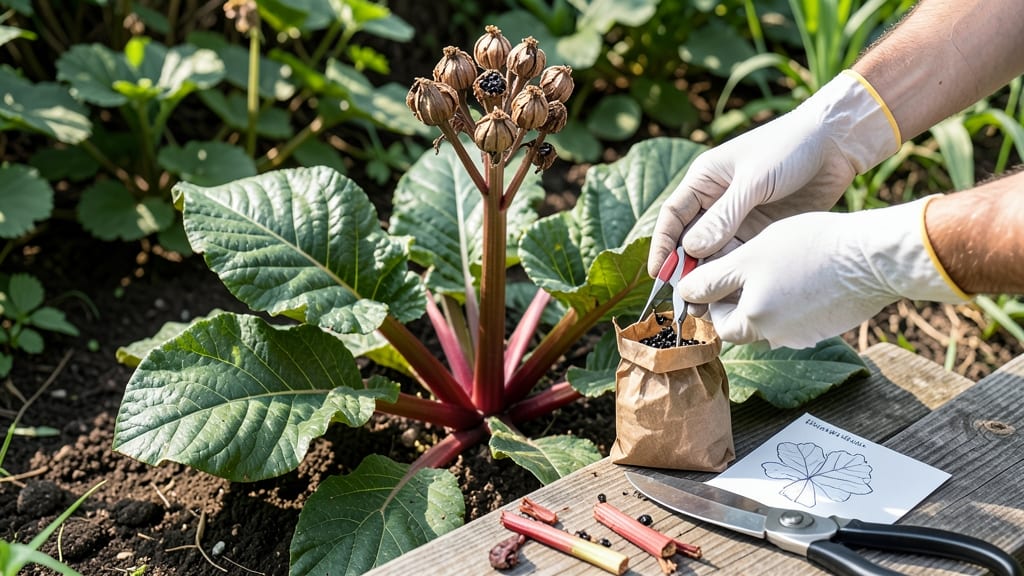
Collecting rhubarb seeds is the gardener’s version of rolling the dice. 🌱 Most growers propagate rhubarb through division, but if you’re curious about experimenting with seeds—perhaps to introduce new varieties or just for the adventure—here’s how to do it right.
The first step is patience. You’ll need to wait until late summer or early fall when those tall, flower-stalks appear. Let the seed heads mature fully on the plant, turning from green to brown, before snipping them off. Once dried, gently rub the heads to release the tiny seeds inside.
Store them in a cool, dry place until spring planting. Just remember—seed-grown rhubarb may not look like its parent. The plants might take longer to mature, and the stalks could be thinner or less sweet. But for the thrill of growing something from scratch? Worth it.
This method works best in zones 3-8 where rhubarb thrives. If you’re in a warmer climate, consider growing seeds indoors first. Here’s where the real fun begins—planting and waiting to see what nature brings.
📚 In This Guide
- What you need
- Instructions
- Tips and common mistakes
- Wrapping up and next steps
What you need
- ● Mature rhubarb plant (at least 3–4 years old, with healthy stalks and leaves). Pro tip: Look for plants with seed pods forming in late summer!
- ● Sharp pruning shears or scissors (sterilized with rubbing alcohol to prevent disease).
- ● Paper bags or breathable mesh bags (to collect seeds—use 3–5 bags, depending on how many pods you harvest).
- ● Labeling tags & permanent marker (to track seed varieties and harvest dates).
- ● Flat, shallow container (like a baking sheet or tray) for drying seeds.
- ● Fine-mesh sieve or sifter (to separate seeds from chaff).
- ● Paper towels or brown paper (for drying seeds thoroughly).
- ● Air-tight seed storage container (small jars or envelopes with silica gel packets for moisture control).
- ○ Gloves (optional but recommended)—rhubarb leaves can be irritating to sensitive skin!
- ● Hand lens or magnifying glass (to inspect seed quality before storage).
- ● Seed viability test kit (for gardeners who want to check germination rates).
- ● Notebook or gardening journal (to log plant details, harvest dates, and seed storage conditions).
- ● Humidity monitor (if storing seeds long-term in a climate-controlled space).
Step-by-step instructions for collecting rhubarb seeds
Here’s how I’ve learned to harvest viable rhubarb seeds—it’s slower than buying plants, but the payoff is worth the patience.
🌱 Step 1: Identify and Select a Healthy Rhubarb Plant
Start with a mature rhubarb plant that’s at least 3 years old—younger plants won’t produce seeds. Look for a robust crown with vibrant green leaves and thick, firm stalks—these are signs of a healthy, established plant ready to flower. Avoid plants that look stressed, yellowed, or diseased, as their seeds may not be viable.
Rhubarb flowers appear in late spring, forming clusters of small, greenish-white blossoms. Wait until after these flowers bloom but before they turn brown and dry—this is the prime window for seed collection. If you miss it, the seeds will scatter or be eaten by birds.
🌿 Step 2: Harvest the Seed Pods at the Right Stage
Once the flowers fade, small green seed pods will form. These pods start out soft and green but harden into dry, brown capsules as they mature. Harvest them when they’re fully brown and papery to the touch—this usually happens 8-12 weeks after flowering, depending on your climate. If you pick them too early, the seeds won’t be fully developed.
Gently twist or snip the seed pods from the stems using clean scissors or your fingers. Place them in a paper bag to dry in a warm, dry, well-ventilated spot for 1-2 weeks. Avoid plastic bags—moisture will cause mold. Shake the bag occasionally to release any seeds that might have already dried inside.
💧 Step 3: Extract and Clean the Seeds
Once the pods are completely dry, crush them between your fingers or gently rub them against a fine mesh screen to separate the seeds from the chaff. Rhubarb seeds are tiny and dark brown—think of them as miniature coffee beans. You’ll likely end up with only a handful of seeds per pod, so patience is key.
Spread the seeds on a clean, dry surface and let them air-dry for another 24 hours to ensure they’re completely dry. Store them in a small envelope or airtight container in a cool, dark place. Label it with the date and variety—rhubarb seeds stay viable for 2-3 years if stored properly.
☀️ Step 4: Stratify the Seeds for Better Germination
Rhubarb seeds have a dormancy period, meaning they need a cold treatment to break it. Place the dried seeds in a damp paper towel inside a sealed plastic bag. Store the bag in your refrigerator’s vegetable crisper for 4-6 weeks. Check them weekly—they should remain moist but not soggy.
After stratification, plant the seeds in well-draining potting mix at a depth of ¼ inch. Keep the soil consistently moist but not waterlogged, and place the container in a bright, indirect light spot (like a north-facing windowsill). Germination can take 4-8 weeks, so don’t give up if you don’t see sprouts right away.
⏰ Step 5: Transplant and Care for Seedlings
Once seedlings develop 2-3 true leaves, transplant them into individual 3-inch pots filled with the same potting mix. Keep them in bright, filtered light for the first few weeks to avoid shocking their delicate roots. Harden them off by gradually exposing them to outdoor conditions over 10-14 days before planting in the garden.
Rhubarb seedlings grow slowly—don’t expect stalks for 2-3 years. During their first year, focus on building strong roots by keeping the soil moist and fertilizing lightly with a balanced organic fertilizer every 4-6 weeks. Patience here means bigger harvests down the road.
Tips & tricks for perfect rhubarb seed collection
Here's what nobody tells you about harvesting rhubarb seeds—these little-known tricks make all the difference between viable seeds and wasted effort.
Timing Secret: Mark your calendar for 8-12 weeks after flowering—this is the critical window when seed pods mature. I set a reminder on my phone because I missed the window once and had to wait another year. Watch for the pods to turn completely brown and develop a papery texture, which means they're ready for harvest. If you pick them too early, the seeds won't be developed enough to germinate.
Harvest Technique: Use clean scissors or your fingers to gently twist pods from the stems—don't pull too hard or you might damage the plant. Place them immediately in a paper bag (never plastic) to allow airflow while they dry. I learned this the hard way when I used a plastic bag and ended up with moldy pods. Shake the bag occasionally to release any seeds that may have already dried inside.
Seed Extraction: When crushing the dry pods, work over a clean, light-colored surface like a white paper towel—this makes it easier to spot the tiny dark brown seeds against the chaff. I use a fine mesh screen to separate seeds more efficiently, especially if you have a lot of pods. Remember, you'll only get about a handful of seeds per pod, so patience is key during this step.
Stratification Strategy: For successful germination, maintain consistent moisture in your damp paper towel during the 4-6 week refrigerator period. I place the sealed bag in a small container to catch any condensation that might form. After stratification, plant seeds at exactly ¼ inch depth—they need this precise placement to germinate properly. Too deep and they won't emerge; too shallow and they'll dry out.
Pro Tips for Collect Rhubarb Seeds
- Here's what nobody tells you about harvesting rhubarb seeds—these little-known tricks make all the difference between...
- Timing Secret: Mark your calendar for 8-12 weeks after flowering—this is the critical window when seed pods mature. I...
- Harvest Technique: Use clean scissors or your fingers to gently twist pods from the stems—don't pull too hard or you ...
Frequently asked questions
Got questions about collecting rhubarb seeds? You’re not alone—this process can feel tricky at first! Here are answers to the most common queries to help you grow confident (and successful) with your seed-saving journey.
How do I know when rhubarb seeds are fully ripe and ready to collect?
Rhubarb seeds mature very slowly—often taking 60–90 days after flowering. Look for seed pods that turn from green to brown and papery, then split open naturally. If you harvest too early, seeds won’t germinate well. Pro tip: Wait until pods are dry and crumbly to avoid moldy seeds!
What if my rhubarb never produces seed pods? Can I still collect seeds?
Some rhubarb varieties (especially ornamental types) focus on foliage over seeds. If yours skips seed production, try these fixes:
- Cross-pollinate by hand with a paintbrush between plants.
- Choose a seed-bearing variety like ‘Canada Red’ or ‘Valentine.’
- Be patient—young plants may take 2–3 years to flower.
How long can I store rhubarb seeds before planting?
Freshness is key! Store seeds in a cool, dry place (like a sealed jar in the fridge) for up to 2–3 years. For best results, plant them within 6–12 months—older seeds germinate more slowly. Label your jars with the harvest date to track viability.
Do I need to stratify rhubarb seeds before planting?
Yes! Rhubarb seeds benefit from cold stratification to mimic winter. Mix seeds with moist sand or potting soil, then refrigerate for 4–6 weeks before sowing. This tricks them into thinking they’ve survived winter, boosting germination rates. Skip this step if you’re impatient—some seeds may still sprout, but stratification doubles your success!
What’s the best way to troubleshoot if my seeds won’t germinate?
Try these fixes if your seeds stay dormant:
- Check moisture: Keep soil consistently damp (not soggy) during germination.
- Test viability: Crush a few seeds—if they’re hard and unbroken, they may still be good.
- Adjust light: Rhubarb seeds need bright, indirect light (a sunny windowsill works).
- Fresh seeds > old seeds: If stored beyond 3 years, germination drops sharply.
Wrapping up and next steps
Collecting rhubarb seeds is a rewarding way to grow unique varieties and ensure a thriving garden for seasons to come! 🌱 With patience and the right techniques—like selecting healthy seed stalks, drying seeds properly, and storing them in a cool, dry place—you’ll be well on your way to a bountiful harvest.
Whether you’re a seasoned gardener or just starting out, this process connects you deeper to the cycle of growth.
Now that you’re equipped with the know-how, why not plant those seeds this fall? Give your garden a head start by prepping your soil and marking seed locations. Happy growing—and may your rhubarb patch flourish next year! 🌿