
Flowers
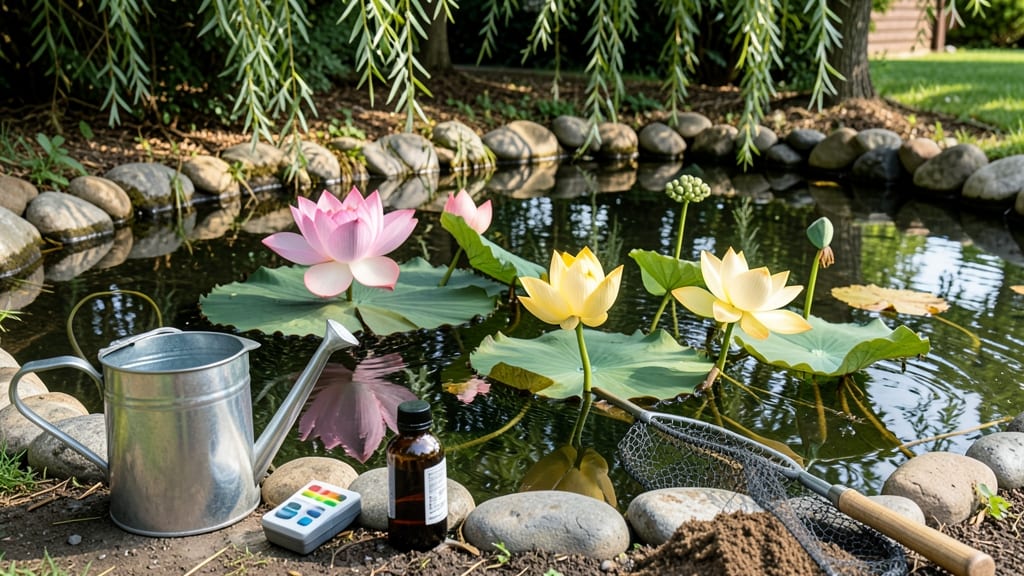
Your pond just got a sacred upgrade—how to care for the lotus flower isn’t as tricky as it seems, and these aquatic beauties are surprisingly low-maintenance once you know the secrets. 🌿 I’ve grown them for years, and the key to their dramatic blooms starts with water depth and sunlight balance, not fancy equipment.
Lotus roots need 12-18 inches of water to thrive, while their foliage craves full sun (6+ hours daily)—no shade allowed if you want those iconic blooms. The soil?
Just pond muck or clay—they’re tougher than they look. Fertilize lightly in spring with low-nitrogen pond fertilizer, and watch them reward you with blooms that last weeks.
Pruning is simple: snip dead leaves in fall, and never cut healthy foliage—it’s their energy source. Yellow leaves? Usually too much sun or fertilizer. Slow growth? Likely not enough light or cold water. With proper care, your lotus will become the centerpiece that draws hummingbirds and neighbors alike.
Overwintering depends on your zone—hardy varieties (like Nelumbo nucifera) survive in zones 4-11 if left in water, while tropical types need container overwintering indoors. The real magic? Their roots spread yearly, making them self-sustaining once established. Ready to transform your pond?
📚 In This Guide
- What you need
- Instructions
- Tips and common mistakes
- Wrapping up and next steps
What you need
- ● Lotus Tubers or Seeds: 1–3 healthy tubers (depending on pond size) or seeds (soaked overnight for faster germination).
- ● Pond or Container: Minimum depth: 18–24 inches (lotuses need deep water to thrive).
- ● Size: At least 3–5 feet in diameter for one tuber (larger for multiple plants).
- ● Note: Use a pond liner if your container isn’t waterproof.
- ● Pond Soil or Gravel: 2–3 inches of nutrient-rich soil or gravel (for anchoring tubers).
- ○ Optional: Add a layer of aquatic plant fertilizer (slow-release preferred).
- ● Water Source: Fresh, dechlorinated water (tap water must sit for 24+ hours or use a dechlorinator).
- ● Temperature: 65–85°F (18–29°C) (ideal for growth).
- ● Sunlight Access: 6–8 hours of direct sunlight daily (partial shade is okay in hot climates).
- ● Floating Pond Plants: Water hyacinth or duckweed to shade roots and reduce algae.
- ● Pond Pump or Aerator: Keeps water oxygenated (critical in warm climates).
- ● Liquid Fertilizer: Balanced aquatic plant food (diluted monthly during growing season).
- ● Pest Deterrents: Nematodes or barrier netting to protect from snails/slugs.
- ● Pond Thermometer: Monitor water temperature for optimal growth.
Tips & tricks for cultivating thriving lotus flowers
Transforming your pond into a sacred sanctuary for lotus flowers takes more than just planting—it's about creating the perfect environment for their spiritual beauty to flourish.
Water Depth and Temperature: The 6-12 inches of water depth is crucial for proper root development, but temperature matters just as much. I've found that maintaining water between 70-80°F during the growing season creates ideal conditions for robust growth. In colder climates, consider using a small submersible heater during winter months to prevent the water from dropping below 50°F, which can stress tropical varieties.
Sunlight Strategy: Those 6-8 hours of daily sunlight are non-negotiable for vibrant blooms, but timing matters too. Position your lotus plants to receive morning sunlight first—this gentle warming helps prevent fungal issues that can plague afternoon exposure. I've noticed that plants in full sun develop flowers with deeper colors and larger petals compared to those in partial shade.
Rhizome Establishment: The 4-6 weeks of undisturbed growth after planting is where the magic happens. During this time, rhizomes develop a strong root system that will support your plants for years. I recommend adding a layer of aquatic plant fertilizer to the pond soil before planting—this gives the rhizomes an immediate nutrient boost without overwhelming them. Think of it as giving your lotus flowers a head start on their spiritual journey.
Seasonal Transition: When preparing for winter, remember that tropical varieties will die back completely when temperatures drop below 50°F. Instead of removing the rhizomes, I've found it's better to leave them in place—covered by a layer of mulch leaves—and they'll often surprise you by regrowing in spring. This natural cycle mirrors the lotus's symbolic connection to rebirth and renewal.
Pro Tips for Care For Lotus Flower
- Transforming your pond into a sacred sanctuary for lotus flowers takes more than just planting—it's about creating the perfect environment for their spiritual beauty to flourish.
- Water Depth and Temperature: The 6-12 inches of water depth is crucial for proper root development, but temperature matters just as much.
- Sunlight Strategy: Those 6-8 hours of daily sunlight are non-negotiable for vibrant blooms, but timing matters too.
Frequently asked questions
Got questions about nurturing your lotus flowers? You’re not alone! Here are some of the most common inquiries—plus straightforward answers to keep your aquatic gems thriving.
How often should I fertilize my lotus plants?
Feed your lotus once every 2–4 weeks during the growing season (spring to fall) with a balanced aquatic fertilizer (like 5-5-5 or 10-10-10). In winter, reduce to once a month or skip it entirely if the plant is dormant. Over-fertilizing can harm roots—always follow label instructions!
When do lotus flowers bloom, and how long do they last?
Blooming depends on the variety and climate, but most lotuses open in late spring to summer (May–September in temperate zones). A single flower lasts 3–5 days before wilting. Pink and red varieties often bloom first, followed by whites and blues. Patience pays off—some lotuses take 2–3 years to flower from seed!
Can lotus flowers survive winter? What do I do in cold climates?
Most lotuses are hardy to USDA Zones 4–11, but they need protection in freezing temps. In winter, let the foliage die back naturally and trim dead leaves in early spring. If your pond freezes, ensure a small hole stays open for oxygen. In Zone 3 or colder, grow them in containers and move them indoors or bury the pot in mud.
Why are my lotus leaves turning yellow or brown?
Yellowing leaves often signal nutrient deficiency (add fertilizer) or root rot (from overcrowding or stagnant water). Brown edges? It could be sunburn (provide partial shade) or pests (check for aphids or snails). Always prune damaged leaves to redirect energy to healthy growth. Test your pond water—lotuses prefer pH 6.0–7.5.
Can I grow lotus flowers in a small pond or container?
Dwarf varieties like ‘Mini Star’ or ‘Nymphaea ‘Pygmaea Helvola’ thrive in containers as small as 10–15 gallons. Use a wide, shallow pot (like a plastic tub) with drainage holes, filled with pond soil or clay. Place it in 6–12 inches of water and ensure it gets full sun (6+ hours daily). Just avoid overcrowding!
Wrapping up and next steps
Caring for lotus flowers is a rewarding journey that blends patience, mindfulness, and a touch of nature’s magic. 🌸 By providing the right balance of sunlight, clean water, nutrient-rich soil, and gentle maintenance, you’ll unlock their stunning blooms—each petal a testament to your dedication.
Whether you’re a seasoned gardener or a beginner, every step you take brings you closer to cultivating these sacred beauties.
Ready to dive deeper? Start small—plant a single lotus in your pond and watch it transform your space. Or, share your progress with fellow plant lovers online—inspiration grows when we connect! 🌱