
Neem Oil
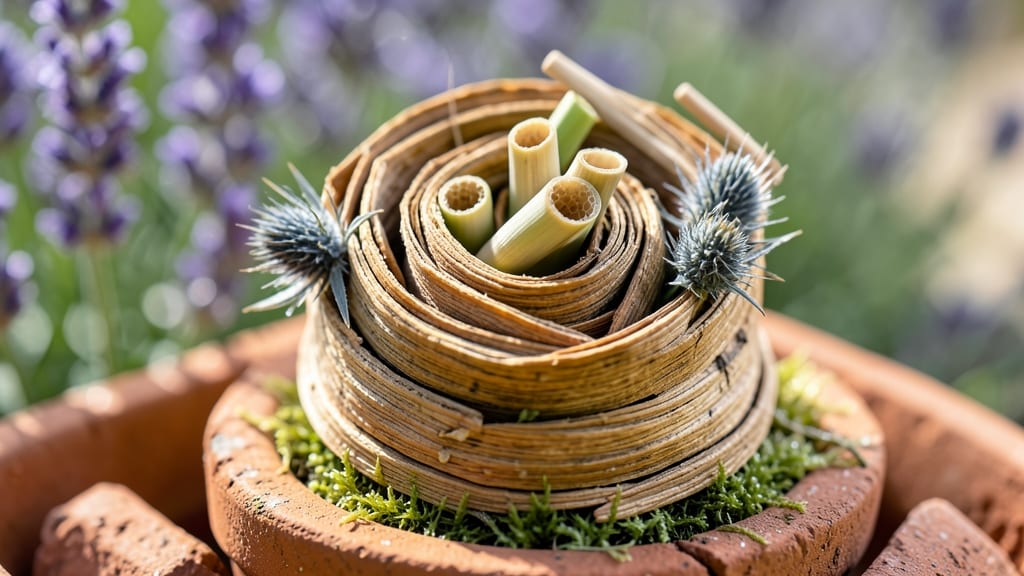
How to build a bug hotel is the easiest way to turn your garden into a buzzing, thriving ecosystem for bees, lacewings, and other beneficial insects. A bug hotel isn’t just a quirky decoration—it’s a lifeline for pollinators struggling to find shelter, especially as natural habitats shrink. I built my first one last spring, and within weeks, solitary bees were moving in, mason wasps claimed their straw tubes, and ladybugs set up shop in the pinecone nooks. The result? Fewer pests and more vibrant blooms than ever before.
The beauty of this project is that you don’t need fancy tools or expensive materials—just recycled items lying around your yard or garage. Think bamboo canes, hollow stems, untreated wood, and even old terracotta pots.
The key is layering textures and materials to mimic a natural ecosystem, from cozy bark piles for beetles to rolled-up newspaper tubes for lacewings. Even a small balcony can host one, as long as it’s sheltered from harsh winds and direct rain.
By summer’s end, you’ll notice more bees buzzing around your flowers, fewer aphids munching on your veggies, and a thriving micro-habitat that feels like a tiny, buzzing neighborhood. The best part? It’s a zero-waste project that keeps giving back to your garden year after year.
Whether you go for a rustic log cabin style or a sleek modern stack, the goal is simple: create a home where beneficial bugs will happily call it theirs.
Pro tip: Place your bug hotel near sunny but shaded spots, like under a bush or against a fence. Avoid treating it with pesticides—this isn’t a pest control tool, but a sanctuary.
Once you see the first residents move in, you’ll understand why every gardener should have one. Ready to get started? Let’s turn your garden into a wildlife hotspot.
📚 In This Guide
- What you need
- Instructions
- Tips and common mistakes
- Wrapping up and next steps
What you need
- ● Base Structure: A sturdy wooden box, pallet, or even a repurposed wooden crate (12" x 12" x 18" minimum).
- ● Natural Insulation: Dried leaves (1-2 cups)
- ● Straw or hay (1 cup)
- ● Pinecones (3-5)
- ● Small twigs or bamboo sticks (10-15)
- ● Hollow Tubes: Hollow stems (e.g., elderberry, raspberry, or sunflower stalks – 6-8 pieces)
- ● Bamboo canes or small diameter PVC pipes (3-4 pieces, 6-8" long)
- ● Cavity Materials: Cork bark or bark slices (2-3 pieces)
- ● Empty egg cartons (1-2)
- ● Drill holes (¼" diameter) in wooden blocks or logs (3-4 pieces)
- ● Roofing: A piece of corrugated metal, slate, or a wooden lid to keep rain out.
- ● Fasteners: Non-toxic nails, screws, or a strong glue (e.g., wood glue) for assembly.
- ● Moss or lichen (for moisture retention and aesthetics)
- ● Bee bricks or adobe blocks (for mason bees)
- ● Small terracotta pots (filled with sand for solitary bees)
- ● Non-toxic paint (for a pop of color—use sparingly!)
- ● Waterproof sealant (to protect wood from weather)
- ● Hammer or screwdriver
- ● Drill with ¼" bit (for hollow tubes and wooden blocks)
- ● Scissors or pruning shears (for trimming materials)
- ● Measuring tape (to ensure proper dimensions)
- ● Safety gloves (to protect your hands while handling sharp or prickly materials)
Step-by-Step instructions for building a bug hotel
Creating a bug hotel is simpler than you think—just gather natural materials and arrange them thoughtfully.
🪴 Step 1: Select and Prepare the Base Structure
Choose a sturdy wooden box, pallet, or even a hollowed-out log with an open front. The structure should be at least 12 inches tall by 12 inches wide to accommodate different insects. If using a wooden box, drill small ventilation holes along the sides to allow airflow while keeping predators out. Place the structure in a quiet, shaded spot where it won’t be disturbed.
I like to position mine near native plants or wildflower patches—this gives visiting insects easy access to food sources. Avoid placing it in direct sunlight, as extreme heat can harm the smaller inhabitants. A partially shaded area under a tree or along a fence works perfectly.
🌿 Step 2: Layer Materials for Different Insects
Start with a base of dry leaves, pine needles, or straw—these provide shelter for ground beetles and spiders. Add bundles of hollow stems like bamboo, reed, or elderberry branches for solitary bees and wasps. These insects prefer clean, empty tubes to nest in, so avoid using stems that are too thick or damaged.
For leaf-cutter bees, include drill holes in a piece of untreated wood or a small log. The holes should be 3/16 to 1/4 inch in diameter and 4-6 inches deep. You’ll also want to add cork bark or rolled-up corrugated cardboard—these attract lacewings, ladybugs, and other beneficial insects. Stack materials loosely, leaving gaps for easy access.
💧 Step 3: Add Moisture-Retentive and Food Sources
Place a small container filled with sand or pebbles near the base—this helps maintain humidity for insects like slugs and snails. You can also add a shallow dish of water with pebbles to provide a drinking source for visiting pollinators. Avoid deep water, as it can drown smaller insects.
Include dried flowers, seed heads, or rolled-up bark to attract moths and butterflies. These insects overwinter in sheltered, textured spaces. Finally, add a few pinecones or acorn caps—these create cozy nooks for tiny creatures like earwigs and rove beetles. Arrange everything loosely so insects can move freely.
☀️ Step 4: Secure and Maintain the Structure
Once everything is in place, lightly secure the materials with twine or small stakes to prevent them from shifting in wind or rain. Avoid sealing the structure completely—open sides allow insects to enter and exit safely. Place a small roof or overhang above the entrance if your bug hotel is exposed to heavy rain.
Check your bug hotel once a month during the warmer months to ensure materials stay dry and undisturbed. Remove any moldy or damp materials and replace them with fresh ones. In late fall or early winter, you can gently clean out debris, but avoid disturbing any overwintering insects. A well-maintained bug hotel will thrive for years!
Tips & tricks for building a bug hotel
Here's what nobody tells you about creating a thriving habitat for your tiny neighbors—these little details make all the difference.
Location is Everything: While the instructions suggest a quiet, shaded spot, I've found that placing your bug hotel near flowering plants can dramatically increase visitor traffic. Position it within 10-15 feet of your garden's edge where pollinators naturally forage. The key is balancing shade with visibility—too much shade means fewer visitors, but direct sun can overheat delicate insects. A north-facing wall or under a deciduous tree provides perfect conditions.
Material Selection Matters: When gathering hollow stems for solitary bees and wasps, avoid any that show signs of decay or mold—these can harm the insects. I like to collect bamboo stalks in early spring before they've had a chance to decompose. For the drill holes in Step 2, use a bit slightly smaller than 3/16 inch—many bees prefer slightly tighter spaces than what's commonly recommended. Untreated wood is critical; any chemical treatments will deter insects from moving in.
Moisture Management: The shallow water dish in Step 3 is brilliant, but I've learned the hard way that adding pebbles isn't always enough. In humid climates, consider using a small coconut coir brick instead—it maintains moisture without risking drowning. For drier areas, you might need to add water more frequently. The sand or pebbles should be kept completely dry unless you're specifically targeting moisture-loving species like slugs.
Seasonal Timing: Building in early spring gives insects time to discover and move into your hotel before summer heat arrives. I've noticed that hotels built in late summer often have fewer residents the following year. If you're creating one in fall, focus on materials that attract overwintering species like ladybugs and lacewings. The once-monthly maintenance check mentioned in Step 4 is perfect timing—just after spring rains have settled but before summer heat peaks.
Pro Tips for Build A Bug Hotel
- Here's what nobody tells you about creating a thriving habitat for your tiny neighbors—these little details make all the difference.
- Location is Everything: While the instructions suggest a quiet, shaded spot, I've found that placing your bug hotel near flowering plants can dramatically increase visitor traffic.
- Material Selection Matters: When gathering hollow stems for solitary bees and wasps, avoid any that show signs of decay or mold—these can harm the insects.
Frequently asked questions
Got questions about building your bug hotel? You’re not alone! Here are some of the most common queries to help you get started—and keep your project thriving.
What’s the best time of year to build a bug hotel?
Aim for early spring or late summer when temperatures are mild. Building in spring gives beneficial insects time to move in before winter, while late summer ensures they’re active and ready to occupy their new home. Avoid extreme heat or cold—both can stress wildlife during construction!
Can I use recycled materials, or do I need to buy new ones?
Recycled materials like untreated wood pallets, bamboo rolls, or old terracotta pots work perfectly. Just ensure they’re clean, pesticide-free, and free of mold. Get creative—pinecones, hollow stems, and even egg cartons add texture and shelter. Just skip treated lumber or plastic, as these can harm insects.
What should I avoid when building a bug hotel?
Steer clear of:
- Chemical treatments (pesticides, paint, or varnish)—these are toxic to insects.
- Plastic or metal—these don’t break down and trap heat.
- Overcrowding—leave gaps for airflow and easy access.
- Deep water sources—use shallow dishes or damp moss instead.
How do I know if my bug hotel is successful?
Success signs include:
- Visible activity at dawn/dusk (bees, ladybugs, or spiders exploring).
- Cocoons or egg cases in bamboo tubes or pinecones.
- Diverse visitors—solitaire wasps, hoverflies, and ground beetles are great indicators!
Do bug hotels work in urban areas or small gardens?
Yes! Urban bug hotels are even more valuable—they provide critical habitat in green deserts. Place yours near flowers, shrubs, or a water source to attract pollinators. Smaller spaces? Opt for a vertical design or wall-mounted hotel to save room. Just ensure it’s stable and sheltered from wind.
What happens to the bug hotel in winter?
Most insects hibernate inside—leave it undisturbed! Some may emerge in early spring, while others stay dormant until warmer weather. If snow or rain collects, gently tilt it to drain without shaking out residents. A roof or overhang helps protect it from heavy snowfall.
Wrapping up and next steps
Building a bug hotel is a simple yet rewarding way to support local wildlife and promote biodiversity in your backyard! 🐝 With just a few materials and a little creativity, you’ve created a cozy haven for pollinators, beneficial insects, and other tiny creatures. Your eco-friendly project not only helps the environment but also sparks joy in watching nature thrive right at home.
Now that you’re ready to assemble your bug hotel, why not take it a step further? Share your creation on social media using #BugHotelLove to inspire others to join the movement. Or, if you’re feeling adventurous, explore DIY wildlife projects like birdhouses or bat boxes to keep the momentum going!