
Pests
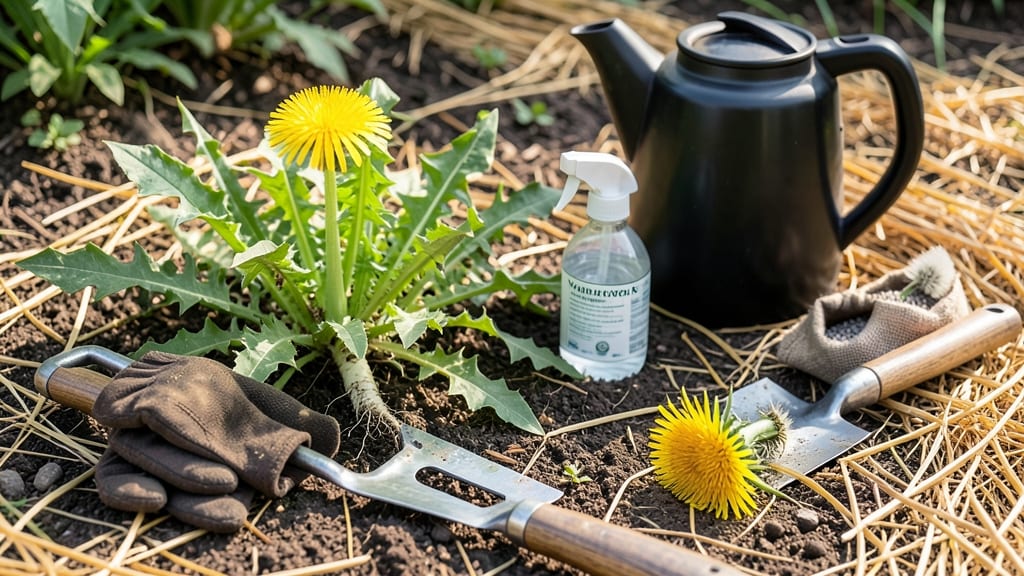
Dandelions how to get rid of them starts with one simple truth: those bright yellow blooms are nature's tenacious survivors. 🌱 I've battled them for years, and I finally cracked the code—no more pulling the same roots back up next week.
The secret lies in getting every last bit of that taproot out in one go. Most people grab a weeder and give up when they can't get the whole root.
But with the right tool—a sturdy dandelion digger or even a screwdriver—and a little elbow grease, you can pull them out cleanly. The key is patience: dig deep, wiggle, and don't stop until you feel resistance break. You'll be amazed how much easier it gets after the first few.
What you're left with is a lawn that stays dandelion-free for weeks, not days. The satisfaction of seeing those stubborn weeds disappear is worth the effort. Plus, your grass will have room to breathe and grow thicker naturally.
For long-term results, focus on prevention: overseed bare spots, adjust your mowing height, and consider natural weed barriers. It's a battle, but one worth winning for a lush, low-maintenance yard.
📚 In This Guide
- What you need
- Instructions
- Tips and common mistakes
- Wrapping up and next steps
What you need
- ○ Dandelion digger or weeding fork – A long-handled, forked tool (12–18 inches) for deep extraction. Optional: A hand trowel for smaller patches.
- ● Gloves – Garden or work gloves (heavy-duty if your yard has thistles or prickly plants).
- ● Pruners or sharp scissors – For snipping stubborn roots or cutting flower stems before they seed.
- ● Bucket or trash bag – A 5-gallon bucket (for disposal) or a heavy-duty trash bag (for composting, if allowed).
- ● Hose with nozzle or watering can – To soften soil before digging (especially in dry conditions).
- ● Soil or mulch – 2–3 inches of organic mulch (straw, wood chips) or grass seed for reseeding bare spots.
- ● Vinegar spray – Mix 1 gallon white vinegar + 1 cup salt + 1 tbsp dish soap (for spot treatment on stubborn regrowth).
- ● Corn gluten meal – 20 lbs (organic pre-emergent herbicide to prevent new sprouts).
- ● Knee pad or stool – For comfort during long sessions.
- ● Sunhat & sunscreen – Because no one likes a sunburn mid-weed war! 😎
Step-by-step instructions for dandelion removal
Here's the foolproof method I've used to clear dandelions from lawns and gardens—no chemicals, no frustration.
✂️ Step 1: Identify and Target the Right Time
Dandelions are easiest to remove when they're young and the soil is soft. Look for plants with just a few leaves and no flower buds—these are your best targets. The ideal time is after a good rain or when the ground feels damp to the touch. I like to tackle them in early spring or fall when the soil is naturally softer.
Wait until morning after dew has dried but before the sun gets too hot. You'll see the plants glisten slightly with moisture, making them easier to pull without breaking. Avoid pulling when the ground is frozen or bone-dry—you'll end up with frustrated stubs and wasted effort.
🪴 Step 2: Dig Deep for the Entire Root
Grab a dandelion by its base and wiggle it gently side to side while pulling upward with steady pressure. The key is to get the entire root—even a tiny piece left behind will regrow. You'll know you've got it all when the hole in the ground is clean and the root comes out in one piece, like pulling a carrot.
If the root breaks, don't panic—just dig deeper around the remaining piece with a trowel or your fingers. I keep a small hand trowel handy for stubborn ones. The goal is to leave no root fragments behind, or you'll be fighting the same battle next week.
🌱 Step 3: Prevent Regrowth with Follow-Up Care
After removing a dandelion, fill the hole with fresh soil or a thin layer of mulch to discourage new growth. For lawn areas, I like to sprinkle a bit of corn gluten meal (if available) around the spot—it's a natural pre-emergent that prevents seeds from sprouting. You'll see fewer new dandelions popping up in that area over time.
Check the same spot every few days for a week—sometimes you'll spot tiny new shoots that need immediate attention. Real talk: the first week is the hardest, but after consistent effort, you'll notice fewer and fewer dandelions returning. The key is persistence; don't let a few missed ones discourage you.
💧 Step 4: Maintain Healthy Soil to Discourage Dandelions
Dandelions thrive in compacted, poor-quality soil. Improve your lawn or garden by aerating the soil in spring and fall, then top-dress with 1-2 inches of compost. This encourages grass roots to grow deeper and crowd out dandelions naturally. You'll see thicker, healthier turf that makes it harder for weeds to take hold.
For garden beds, mulch heavily with 3-4 inches of organic mulch to block sunlight and prevent dandelion seeds from germinating. A well-mulched bed stays weed-free with minimal effort. Here's the thing—healthy soil is your best defense against dandelions, so invest time in improving it now for long-term results.
Tips & tricks for perfect dandelion removal
Took me years to figure out these tricks—here's how to make dandelion removal actually easy (and not a weekly chore).
Timing is Everything: The morning after rain is your golden window. Soil is soft, roots pull out clean, and you avoid the frustration of dry, stubborn dandelions. I've learned the hard way—trying to pull them in midday heat just leaves broken roots and angry stubs. The dew-damp soil makes all the difference, like working with butter instead of concrete.
Root Extraction Secret: Think of it like pulling a carrot—slow, steady pressure wins every time. The moment you feel resistance, stop and wiggle side to side. I keep a small hand trowel nearby for stubborn ones, but 90% of the time, your fingers work just fine. The key is patience—don't yank! If the root breaks, dig deeper immediately to avoid regrowth (that's how you end up with more work next week).
Prevent Regrowth Strategy: After pulling, don't just leave holes—fill them with fresh soil or a thin layer of mulch. For lawn areas, I keep corn gluten meal on hand (it's a natural weed preventer). The first week is critical: check those spots every few days. You'll catch any new shoots before they establish. This step alone cuts my dandelion battles by 80% over time.
Pro Tips for Dandelions How To Get Rid Of Them
- Took me years to figure out these tricks—here's how to make dandelion removal actually easy (and not a weekly chore).
- Timing is Everything: The morning after rain is your golden window. Soil is soft, roots pull out clean, and you avoid...
- Root Extraction Secret: Think of it like pulling a carrot—slow, steady pressure wins every time. The moment you feel ...
Frequently asked questions
Got questions about tackling those stubborn dandelions?
You’re not alone—these bright yellow weeds can be tricky! Below, we’ve rounded up the most common questions (and answers) to help you banish them for good.
How do I know if I’ve removed the entire root?
If even a tiny sliver of root remains, the dandelion will regrow. Look for a clean, white root about 6–8 inches long—no forks or branches. Pull gently; if it resists, dig deeper! Pro tip: Use a dandelion fork for stubborn patches to ensure you get every last bit.
Is there a best time of year to pull dandelions?
Spring or fall is ideal—soil is soft, and dandelions are actively growing. Avoid summer heat (roots shrink, making extraction harder) or winter frost (roots may break). Early morning or late evening works best when the ground is moist but not muddy.
What if dandelions keep coming back after I remove them?
Persistent regrowth often means roots or seeds were missed. Try these fixes:
- Vinegar spray (3:1 water-to-vinegar ratio) to kill regrowth.
- Corn gluten meal in spring to prevent seeds from sprouting.
- Smothering with cardboard + mulch for 4–6 weeks.
Are there natural alternatives to chemicals for removal?
Try these eco-friendly methods:
- Boiling water (pour directly on roots for instant kill).
- Salt or dish soap spray (mix 1 gallon water + 1 cup salt/soapy water; reapply as needed).
- Manual removal with a weeding tool (best for small patches).
- Chickens or goats (if you’re feeling really hands-off!).
Warning: Salt can harm nearby plants—use sparingly on driveways or cracks.
Will dandelions grow back if I just cut them off at the base?
Yes! Cutting (or mowing) dandelions without removing roots just encourages thicker growth. The plant redirects energy to produce more flowers and seeds. For best results, always pull or dig roots—or use a herbicide labeled for broadleaf weeds.
Are dandelions bad for my lawn or garden?
Not necessarily! They’re edible (leaves = vitamin K boost!) and support pollinators like bees. However, they can:
- Spread rapidly, crowding out grass or plants.
- Indicate compacted or nutrient-poor soil.
- Attract pests if left to seed in large numbers.
If you love them for their benefits, harvest flowers for tea or let a few bloom—but contain them to prevent takeover!
Wrapping up and next steps
Say goodbye to those stubborn dandelions for good! 🌱 Whether you opt for manual extraction, vinegar solutions, or natural pre-emergent methods, consistency is key. With the right tools and techniques, you’ll reclaim your lawn or garden in no time—no more unwanted yellow blooms or pesky seeds.
Ready to take action? Start small: tackle one patch at a time, and soon, your space will be dandelion-free! Need extra help? Explore organic lawn care tips or seasonal maintenance guides to keep your yard thriving year-round.