
Size
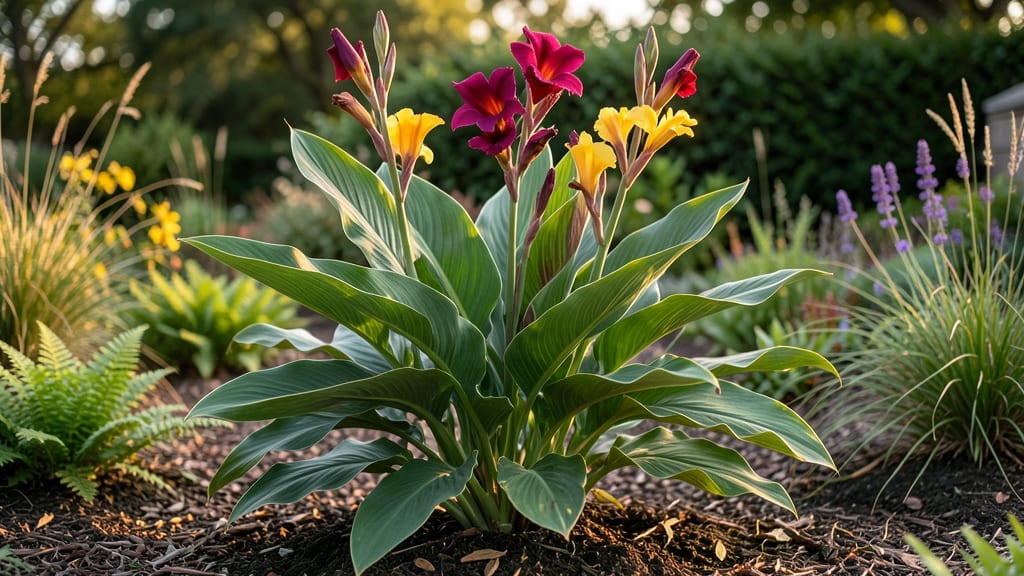
Cannas how to grow them means unlocking dramatic summer blooms with almost no work. 🌿 Last summer, I watched mine shoot up from 2-foot stalks to 6-foot tropical giants in just 8 weeks—no fuss, no fussing. The secret? They’re forgiving, but they do need a few basics right from the start. You’ll need sunny spots (6+ hours daily), loose soil that drains well, and rhizomes (not seeds) planted just below the surface. Water them deeply once established, and they’ll reward you with bold foliage and flowers that look like they belong in a jungle. No pruning, no staking—just cut back the dead stalks in fall and repeat. By midsummer, your garden will have vertical drama no other plant can match. The blooms attract hummingbirds, and the leaves add lush texture. Even in pots, they thrive—just make sure the container is big enough for their roots to spread. For colder climates, dig up the rhizomes before frost and store them dry. In warm areas, they’ll naturalize and multiply. Here’s how to keep them happy all season long.
📚 In This Guide
- What you need
- Instructions
- Tips and common mistakes
- Wrapping up and next steps
What you need
- ● Canna rhizomes: 3–5 tubers per plant (choose healthy, firm ones with visible buds).
- ● Well-draining potting mix: 5–10 gallons (or a blend of 50% garden soil + 50% compost/perlite).
- ○ Containers (optional but helpful): Large pots (12+ inches deep) for patio growing.
- ● Garden beds (6+ inches deep) for in-ground planting.
- ● Fertilizer: Balanced 10-10-10 or slow-release organic fertilizer (follow package rates).
- ● Mulch: 2–3 inches of straw or shredded leaves to retain moisture.
- ● Garden trowel or shovel: For planting rhizomes 2–3 inches deep.
- ● Pruners or shears: To trim dead foliage or divide rhizomes later.
- ● Watering can or hose with a gentle spray nozzle: Cannas love moisture but hate soggy roots!
- ○ Stakes or cages (optional): For taller varieties to prevent flopping in wind.
- ● Sunlight: Full sun (6+ hours daily) or partial shade in hot climates.
- ● Water: Consistent moisture (1–2 inches per week; more in extreme heat).
- ● Climate: Hardy in USDA Zones 8–11; protect from frost (or dig up rhizomes in cooler areas).
Step-by-Step instructions for growing canna plants
Here's how to grow these bold, tropical beauties with simple care and stunning results.
🌱 Step 1: Choose and Prepare Your Planting Site
Cannas thrive in full sun to partial shade, needing at least 6 hours of sunlight daily. Pick a spot with rich, well-draining soil—they hate soggy roots. If your soil is heavy clay, mix in 2-3 inches of compost to improve drainage and fertility. I always test the spot first by digging a small hole; if water pools after 20 minutes, it's too wet.
For containers, select pots at least 12 inches deep with drainage holes. Cannas have thick rhizomes that need room to spread. Fill the pot with a mix of potting soil and perlite (half and half) to keep roots aerated. Place the pot where it gets morning sun and afternoon shade to prevent leaf scorch.
🌿 Step 2: Plant Rhizomes at the Right Depth
Cannas grow from rhizomes, not seeds, so you'll start with these thick, knobby tubers. Plant them 2-3 inches deep in the soil, with the eyes (small buds) facing upward. Space them 12-18 inches apart in the ground or one rhizome per 12-inch pot. Press the soil gently around them to secure without compacting.
Here's the thing—don't bury them too deep. If you cover the eyes completely, the plant may take longer to emerge or rot before sprouting. Water the soil thoroughly after planting to help settle it around the rhizomes. You'll see shoots emerge in 2-4 weeks, depending on your climate and warmth.
☀️ Step 3: Water and Fertilize for Lush Growth
Cannas love moisture but won't tolerate soggy soil. Water deeply once a week during the growing season, aiming for 1-2 inches of water per week. Check the soil by sticking your finger 2 inches deep—if it feels dry, it's time to water. Mulch around the base with 2-3 inches of organic mulch to retain moisture and keep roots cool.
Feed your cannas with a balanced, water-soluble fertilizer (like 10-10-10) every 4-6 weeks during the growing season. I start fertilizing when the plants reach 12 inches tall and continue until the first frost. Too much fertilizer can cause leaf burn, so always follow the package instructions and dilute slightly if your soil is already rich.
✂️ Step 4: Prune and Support for Stronger Blooms
As your cannas grow, you'll notice the stems can get top-heavy with large leaves and flowers. To encourage stronger growth, pinch back the top 2-3 inches of the main stem when it reaches 18 inches tall. This forces the plant to branch out, creating a bushier, more stable form. Remove any dead or yellowing leaves as they appear to redirect the plant's energy.
For taller varieties, consider staking or using a small cage to support the stems. Cannas can grow 5-7 feet tall, and without support, they may flop over in wind or rain. I use bamboo stakes tied loosely with soft twine to avoid damaging the stems. Watch for blooms in 6-8 weeks after planting—your reward for patience!
🪴 Step 5: Prepare for Winter and Store Rhizomes
Cannas are tender perennials, meaning they die back in cold weather but can be dug up and stored for next year. When the first frost blackens the leaves, cut the stems back to 2 inches above the soil. Wait 2-3 weeks to ensure the rhizomes are fully dormant before digging. Gently lift them from the soil, shake off excess dirt, and let them dry in a cool, dark place for 1-2 weeks.
Store the rhizomes in a paper bag or mesh sack in a cool, dry place (around 40-50°F) until spring. I label each bag with the variety—after a few seasons, you'll forget which one produces the biggest blooms! In spring, replant them as soon as the soil warms to 60°F or higher, and you'll have another season of dramatic, tropical beauty.
Tips & tricks for growing stunning canna plants
These simple strategies will help you cultivate show-stopping cannas with minimal effort—and avoid the most common pitfalls.
Sunlight Secret: While cannas thrive in full sun, I've found that morning sun with afternoon shade (especially in hot climates) prevents leaf scorch while still giving them the 6 hours of sunlight they need daily. If your garden gets intense afternoon sun, consider growing cannas near a north-facing wall or under a sheer curtain for shade during peak heat hours.
Soil Test Tip: That 20-minute water test in Step 1 is your best friend for avoiding soggy soil. If water pools after 20 minutes, your soil is too heavy—mix in 2-3 inches of compost and consider adding coarse sand or perlite to improve drainage. I've seen cannas rot in heavy clay because of this exact issue, so don't skip the test!
Rhizome Rescue: If you accidentally bury the rhizome eyes too deep (more than 2-3 inches), don't panic. Simply uncover them after planting and adjust the soil level. The key is to keep the eyes just above soil level—this ensures quick sprouting. I've had rhizomes emerge beautifully even when initially planted too deep, as long as I uncovered them within a week.
Fertilizer Timing: The 4-6 week fertilizer schedule works best when you start at 12 inches tall and continue until frost. Pro tip: Use a slow-release fertilizer instead of liquid for convenience—just follow package instructions for application rates. I've found that over-fertilizing (especially with nitrogen) causes leafy growth at the expense of blooms, so stick to the recommended amounts.
Pro Tips for Cannas How To Grow
- These simple strategies will help you cultivate show-stopping cannas with minimal effort—and avoid the most common pitfalls.
- Sunlight Secret: While cannas thrive in full sun, I've found that morning sun with afternoon shade (especially in hot climates) prevents leaf scorch while still giving them the 6 hours of sunlight they need daily.
- Soil Test Tip: That 20-minute water test in Step 1 is your best friend for avoiding soggy soil.
Frequently asked questions
Got questions about growing cannas? You’re not alone! Here are some of the most common queries—plus quick, practical answers to help you cultivate show-stopping blooms with confidence.
How deep should I plant canna rhizomes?
Plant canna rhizomes shallowly—just 2 to 3 inches deep—with the "eyes" (buds) facing upward. Deeper planting can rot the rhizome, while too-shallow roots may struggle to anchor. Mulch lightly afterward to retain moisture without smothering.
When is the best time to plant cannas?
Wait until after the last frost when soil temps hit at least 60°F (15°C). In warm climates (zones 8–11), plant in spring (March–April). In cooler areas, start indoors 6–8 weeks before the last frost or wait until late spring. Canna rhizomes hate cold!
How often should I water cannas?
Keep soil consistently moist but not soggy—about 1 inch of water per week, more during blooming or extreme heat. Pro tip: Water at the base (not leaves) to prevent fungal diseases. Let the top inch of soil dry slightly between waterings to avoid root rot.
Why aren’t my cannas blooming?
Blooms often skip when plants lack sunlight (6+ hours/day), nutrients, or mature roots. Try:
- Moving to a sunnier spot (cannas thrive in full sun).
- Fertilizing with balanced 10-10-10 or bloom booster every 4–6 weeks.
- Ensuring rhizomes are at least 2 years old (young plants focus on growth).
Can I grow cannas in containers?
Use large pots (12+ inches deep) with drainage holes and a well-draining mix (add perlite or sand). Choose dwarf varieties like ‘Pyramid’ or ‘Striped’ for smaller spaces. Move containers to bright, sheltered spots and overwinter rhizomes indoors in dry peat moss.
How do I overwinter canna rhizomes?
Before frost, dig up rhizomes, trim foliage, and cure in a dry, dark place for 2 weeks. Store in cool (40–50°F/4–10°C), dry conditions (like a garage) until spring. Pro tip: Wrap in newspaper or store in vermiculite to prevent rot.
Wrapping up and next steps
Growing canna plants is a rewarding journey that brings bold, vibrant blooms to your garden with surprisingly little effort! With the right location, soil, and care, these tropical stunners thrive—even for beginners.
Now that you’re armed with tips on planting, sunlight, watering, and troubleshooting, it’s time to roll up your sleeves and watch your garden transform.
Ready to dive in? Start by prepping your soil this weekend—your future towering cannas will thank you! 🌱✨