
Vegetables
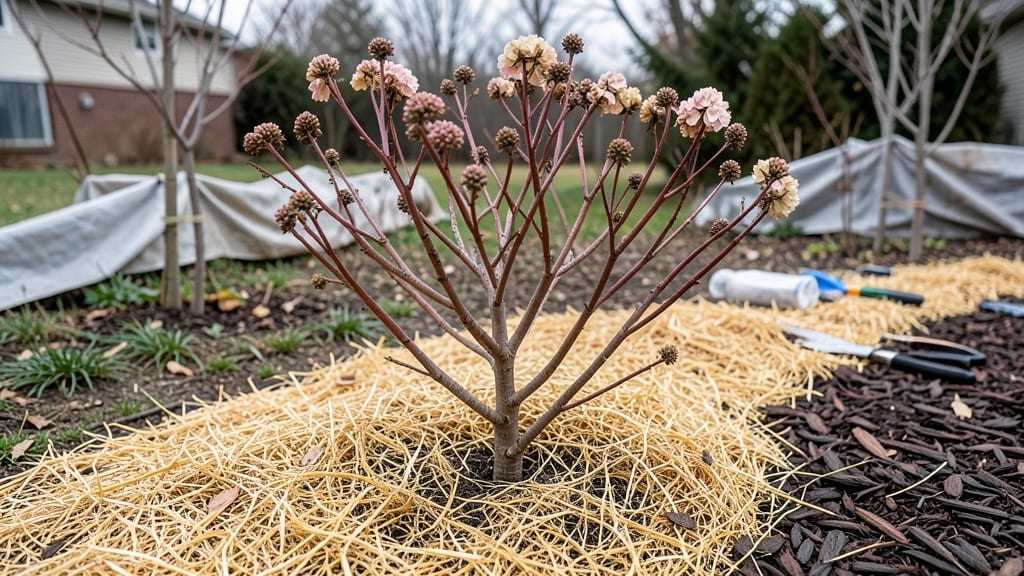
How to over winter vegetables saves you time, money, and the heartbreak of spring replanting. 🌱 I’ve lost count of the seedlings I’ve replanted after a rough winter—until I learned these storage secrets that turn last year’s harvest into next season’s foundation. The key is timing: act before the first frost, when plants are still dormant but not yet frozen solid. Cold-hardy crops like kale, carrots, and beets store beautifully in sand or sawdust, while tender herbs and greens need to be potted up and moved indoors. My garlic and onions, tucked into straw-filled boxes, emerge stronger every spring. You’ll wake up to fresh greens in March and seeds that germinate like clockwork. The soil stays healthier, too—no need to start from scratch when you’ve preserved nutrients from last season’s growth. Works for any climate, from deep freezes to mild winters. Here’s exactly how to do it without the guesswork.
📚 In This Guide
- What you need
- Instructions
- Tips and common mistakes
- Wrapping up and next steps
What you need
- ● Storage Containers: Plastic bins (5–10 gallon size, with tight-fitting lids) – 2–4 bins
- ● Wooden crates (for ventilation) – 1–2 crates
- ● Cloth sacks (breathable, for root veggies) – 5–10 sacks
- ● Preservation Supplies: Food-grade sand or sawdust (for root veggies) – 5–10 lbs
- ● Vinegar or bleach solution (1:10 ratio) – for sanitizing containers
- ● Plastic wrap or parchment paper – for wrapping leafy greens
- ● Tools for Prep: Sharp knife or pruning shears – for trimming
- ● Clean towels or paper towels – for drying produce
- ○ Thermometer (optional, for monitoring storage temp) – 32–40°F ideal
- ● Humidity trays (for maintaining moisture in root cellars)
- ● Desiccant packets (to absorb excess moisture)
- ● Labeling tags (to track storage dates)
- ● Insulated blankets or bubble wrap (for extra cold protection)
Tips & tricks for perfect vegetable overwintering
Between us, these little details make all the difference when you're storing veggies for months.
Harvest Timing: That 1-inch foliage trim isn't arbitrary—it's about moisture control. I've seen vegetables rot within days when left with too much leafy material. For root crops, harvest when soil temps drop below 60°F at night; this signals their natural sugars are converting to storage starches. The cooler the soil, the sweeter they'll be when you pull them later!
Curing Conditions: The 2-5 day curing window at 50-60°F is non-negotiable for root vegetables. I learned this the hard way after losing an entire bin of carrots that sat too long at 65°F—too warm, and they sweated through their skins. For onions and garlic, that 2-3 week dry cure is your best defense against mold. I keep mine in a mesh laundry bag hanging from my garage ceiling where airflow circulates naturally.
Storage Space Hacks: Never use plastic containers for long-term storage—they trap moisture and create condensation. Instead, I use open wooden crates with sand at the bottom. The sand absorbs excess moisture while keeping vegetables off cold concrete floors. For extra humidity control, place a shallow tray of water near (but not touching) the vegetables in your storage area.
Monitoring System: That 4-6 week rotation schedule works best when paired with a simple labeling system. I use masking tape and a Sharpie to mark harvest dates directly on crates. When you pull a crate, the date tells you exactly which vegetables to use first. Pro tip: Keep a small notebook nearby to track any vegetables that show early signs of spoilage—this helps you adjust storage conditions next time.
Pro Tips for Over Winter
- Between us, these little details make all the difference when you're storing veggies for months.
- Harvest Timing: That 1-inch foliage trim isn't arbitrary—it's about moisture control.
- Curing Conditions: The 2-5 day curing window at 50-60°F is non-negotiable for root vegetables.
Frequently asked questions
Got questions about overwintering veggies? You’re not alone! Here are answers to the most common concerns—so you can store with confidence and save for next season.
What’s the best temperature range for overwintering vegetables?
Most cold-hardy veggies thrive in 32–40°F (0–4°C) storage. Root crops like carrots and beets tolerate 32–35°F (0–2°C), while greens (kale, spinach) prefer 32–36°F (0–2°C). Avoid freezing temps (<32°F/0°C) or heat above 40°F (4°C), which speeds spoilage. Humidity matters too—aim for 90–95%!
How long can I realistically store vegetables before they spoil?
Storage life varies by veggie:
- Long-term (3+ months): Carrots, beets, potatoes, onions, garlic, and winter squash.
- Medium-term (1–3 months): Cabbage, Brussels sprouts, leeks, and celery.
- Short-term (weeks): Leafy greens (spinach, lettuce) and herbs (parsley, cilantro).
Can I overwinter vegetables in my garage or basement instead of a root cellar?
A cool, dark, humid garage or basement works if you:
- Use ventilation to prevent ethylene buildup (which speeds rot).
- Add insulation (like cardboard or burlap) to buffer temp swings.
- Monitor humidity with a hygrometer—add trays of water if it’s too dry.
What should I do if my vegetables start rotting before winter’s over?
Don’t panic! Act fast:
- Isolate the bad ones—remove spoiled veggies immediately to stop mold/spores from spreading.
- Boost airflow by rearranging storage or adding a fan (if safe).
- Check humidity—too much moisture = rot. Adjust with ventilation or absorbers (like lime or cat litter).
- Reevaluate storage—if issues persist, relocate to a more stable spot.
Are there any vegetables I shouldn’t try to overwinter?
Skip these high-moisture or ethylene-sensitive veggies—they spoil fast:
- Cucumbers, zucchini, and summer squash (too watery).
- Peppers, tomatoes, and eggplants (soft, thin-skinned).
- Fresh herbs like basil or dill (they hate cold).
- Leafy greens with high water content (like iceberg lettuce).
Wrapping up and next steps
Overwintering your vegetables isn’t just about survival—it’s a rewarding way to enjoy fresh harvests long after the frost sets in! 🌱 By choosing the right crops, preparing them properly, and storing them smartly, you’ll be feasting on homegrown goodness well into the colder months.
Whether you’re a seasoned gardener or just starting out, these cold-hardy storage secrets will set you up for success.
Now that you’re armed with the know-how, take action! Start small—pick one or two vegetables to experiment with this season, and watch your skills (and pantry) grow.
Before you know it, you’ll be the neighborhood expert on how to overwinter like a pro. Happy storing, and here’s to a bountiful winter ahead! ❄️✨