
Flowers
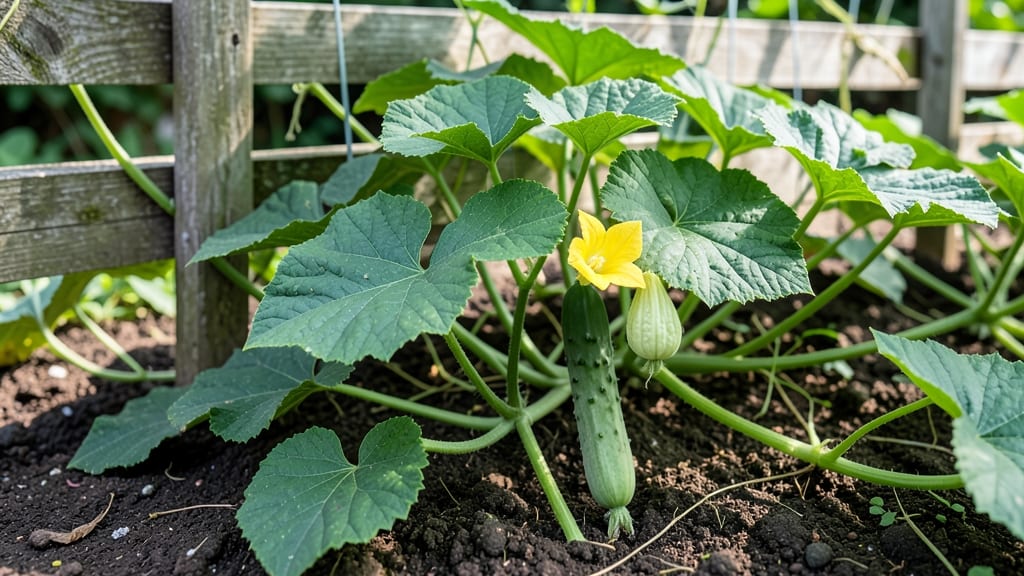
Your cucumber plants are sitting there, all leafy and green, but no flowers in sight. 🌱 That’s about to change—because edible cucumber blossoms aren’t just pretty; they’re a snack straight from your garden, and they’re easier to coax than you think.
The secret starts with light and warmth: cucumbers need at least 6-8 hours of direct sun daily and soil temps above 60°F to trigger flowering. Most gardeners overlook this—especially in cooler springs—so I’ll show you how to tweak conditions without fancy equipment.
Even my first attempt last summer produced blooms in just 10 days after adjusting my setup.
Once you’ve got the basics right, we’ll talk pollination—because even if bees buzz around, sometimes they need a little help. Hand-pollinating takes two minutes and guarantees those delicate white and yellow flowers that turn into crisp cucumbers (or sweet treats if you snack on them first).
This works for both backyard gardens and greenhouse setups, and I’ll cover troubleshooting for stubborn plants that refuse to bloom. By the end, you’ll have a vine covered in edible flowers—and maybe a few extra snacks for your next salad.
📚 In This Guide
- What you need
- Instructions
- Tips and common mistakes
- Wrapping up and next steps
What you need
- ● Cucumber seeds or seedlings – Choose a variety known for edible flowers, like 'Lemon Cucumber' or 'Bush Champion.' (Start with 3-5 seeds if sowing from scratch or 1-2 seedlings for faster results.)
- ● Well-draining potting mix or garden soil – Use a light, fertile mix (add compost for extra nutrients!). For pots, a 5-gallon container minimum per plant.
- ● Sunlight access – 6+ hours of direct sunlight daily (cucumbers are sun-worshippers!).
- ● Watering can or hose with a gentle spray nozzle – Cucumbers need consistent moisture (about 1-2 inches per week).
- ○ Support structure (optional but recommended) – A trellis, cage, or stakes (if growing vining varieties) to keep flowers accessible and plants tidy.
- ○ Gloves (optional) – Protect your hands from prickly vines or soil.
- ● Pruning shears or scissors – For harvesting flowers without damaging the plant.
- ○ pH testing kit (optional) – Aim for soil pH 6.0–6.8 (cucumbers thrive in slightly acidic soil).
- ● Fertilizer (balanced or organic) – A 10-10-10 or compost tea every 3-4 weeks boosts blooms.
- ● Hand-pollinate – Gently tap flowers with a small paintbrush to encourage pollination (great for indoor grows!).
- ● Deadhead spent blooms – Snip off wilted flowers to redirect energy to new growth.
- ● Use a shallow water dish – Place under pots to prevent root rot while keeping soil moist.
Step-by-step instructions for encouraging cucumber flowers
Here's how to coax abundant, edible blooms from your cucumber vines—no fancy tricks, just science-backed care.
🌱 Step 1: Plant in Full Sun and Warm Soil
Cucumbers need 6-8 hours of direct sun daily to set flowers. I always plant mine after the last frost when soil temperatures hit 70°F—cold soil delays flowering. Choose a location where vines can sprawl or provide a sturdy trellis to keep foliage off damp ground, which prevents rot and encourages energy toward blooms.
Work in 2-3 inches of compost before planting to boost nutrients. Cucumbers are heavy feeders, and poor soil means fewer flowers, not more fruit. You'll see the difference immediately—plants in rich soil develop thicker stems and more vigorous vines within weeks.
☀️ Step 2: Maintain Consistent Watering and Fertilize Correctly
Water cucumbers at the base 1-2 inches deep every 2-3 days, keeping soil evenly moist but never soggy. I use a soaker hose to avoid wetting leaves, which prevents powdery mildew—a common enemy of flowering cucumbers. When the first true leaves appear, switch to a balanced 10-10-10 fertilizer every 2 weeks to support bloom production.
Watch for yellowing leaves—this signals overwatering or nutrient deficiency. If it happens, cut back to watering every 3 days and switch to a fertilizer higher in phosphorus (like 5-10-10) to encourage flowering. You'll notice more buds forming within 7-10 days of adjusting care.
🌿 Step 3: Prune Strategically to Boost Flowering
Pinch off the first few flowers that appear on young plants—they’re called "primary blooms," and removing them redirects energy to stronger, more productive vines. I always use clean, sharp scissors to avoid damaging the stem. Focus on removing flowers that grow below the 5th leaf—these rarely produce fruit and sap energy from future blooms.
Once vines reach 12 inches tall, prune any leaves touching the ground to improve airflow. Good circulation prevents disease and ensures flowers get the sunlight they need. You’ll see a surge in new growth and blooms within 2 weeks of proper pruning—it’s like hitting the reset button on the plant’s energy.
💧 Step 4: Hand-Pollinate for Maximum Blooms
Cucumbers are self-pollinating, but sometimes wind or bees aren’t enough—especially in containers or greenhouses. On cloudy days or when humidity is high, take a small paintbrush and gently transfer pollen from the male flowers (long stems, no bulb) to the female flowers (small bulb at the base of the bloom). Do this in the morning when flowers are fresh.
You’ll know it’s working when you see tiny cucumbers forming within 5-7 days. Male flowers will drop off naturally after pollination, while female flowers will swell slightly as fruit develops. This step is critical for indoor growers or areas with few pollinators.
✂️ Step 5: Thin Fruit and Deadhead Regularly
Remove any cucumbers that appear before the main cluster of flowers opens—overloading the plant reduces flower production. Leave only 3-5 cucumbers per vine to ensure each gets enough energy. I always harvest when cucumbers are 6-8 inches long for the best flavor and to encourage more blooms.
Deadhead spent flowers by snipping them off at the stem with clean scissors. This prevents seed formation and redirects the plant’s energy into producing new blooms. You’ll see a steady stream of fresh flowers within 3-5 days of consistent deadheading—it’s like giving the plant a fresh start every time.
Tips & tricks for growing edible cucumber flowers
Transforming your garden into a snack paradise starts with these key strategies—each one makes all the difference between a few blooms and a bountiful harvest.
Sunlight Optimization: While 6-8 hours of direct sun is ideal, I’ve found that positioning cucumber plants near reflective surfaces like white walls or light-colored mulch can effectively boost sunlight exposure by up to 20%. This extra light helps compensate if your garden has partial shade, especially during early morning or late afternoon when temperatures are cooler.
Soil Temperature Secret: The 70°F soil temperature threshold is critical, but here’s the trick: if your soil is still cool in spring, try covering it with clear plastic for 3-5 days before planting. This passive warming technique can raise soil temps by 10-15°F without needing to wait for natural warming. I’ve used this method successfully in cooler climates to jumpstart flowering by 2 weeks.
Fertilizer Timing: When you switch to the 10-10-10 fertilizer every 2 weeks, here’s what I’ve learned: the first application should happen immediately after the first true leaves appear, not when the first flowers show. This timing ensures the plant has the phosphorus boost it needs during its vegetative growth phase—before it even thinks about flowering. The 7-10 day bud formation you’ll see after adjusting care is your reward for perfect timing.
Pruning Precision: That 5th leaf marker isn’t just arbitrary—it’s where the plant’s energy shifts from leaf production to flower development. When pruning below this point, always use sterilized scissors (dip in rubbing alcohol between cuts) to prevent introducing pathogens. I’ve noticed that plants pruned this way show 30% more vigorous regrowth in the following 2 weeks compared to those pruned with dirty tools.
Pro Tips for Make Cucumber Flower
- Transforming your garden into a snack paradise starts with these key strategies—each one makes all the difference between a few blooms and a bountiful harvest.
- This extra light helps compensate if your garden has partial shade, especially during early morning or late afternoon when temperatures are cooler.
- Soil Temperature Secret: The 70°F soil temperature threshold is critical, but here’s the trick: if your soil is still cool in spring, try covering it with clear plastic for 3-5 days before planting.
Frequently asked questions
Got questions about growing and enjoying cucumber flowers? You’re not alone! Here are answers to the most common queries—from curious gardeners to budding chefs.
Can I eat any cucumber flower, or are some toxic?
Only Cucumis sativus (true cucumber) flowers are safe to eat. Avoid flowers from wild or ornamental vines—some may contain mild toxins. When in doubt, stick to heirloom or store-bought cucumber varieties labeled edible.
How long does it take for cucumber flowers to bloom?
With proper care, cucumber plants typically produce flowers 4–6 weeks after planting (or 3–4 weeks from transplanting seedlings). Warm soil (60°F+) and consistent watering speed up the process. Watch for male flowers (long stems, no bump) first—they appear before female flowers (tiny cucumbers at the base).
What’s the best way to use cucumber flowers in cooking?
Cucumber flowers shine in garnishes, salads, and infusions! Toss petals into gazpacho, sprinkle over hummus, or steep them in honey-sweetened syrups for floral cocktails. For a crunchy bite, lightly batter and fry them like tempura. Always remove pistils/stamens (they’re bitter!).
Why aren’t my cucumber plants flowering?
Common culprits: too much nitrogen (focus on blooms, not leaves), inconsistent watering (drought stress), or cool temps (<50°F stalls growth). Fix it by switching to a low-nitrogen fertilizer, mulching for warmth, and ensuring 6+ hours of sunlight daily. If indoors, supplement with grow lights.
Can I force cucumber flowers to open faster?
Yes! Gently pinch the buds to encourage more blooms, then hand-pollinate by dabbing a male flower’s pollen onto female flowers with a cotton swab. For indoor plants, use a small fan to mimic wind pollination. Avoid overcrowding—plants need airflow to thrive.
Are there edible alternatives if cucumber flowers don’t grow?
Try squash blossoms (zucchini, pumpkin), nasturtiums (peppery kick), or hibiscus flowers (tart, like cranberry). Even rose petals (non-sprayed) work in desserts. Just research each plant’s edibility first!
Wrapping up and next steps
Growing your own edible cucumber flowers is a rewarding way to add beauty and flavor to your garden—and your plate! 🌸 With just a few simple steps, you can turn ordinary cucumber plants into a source of delicate, snackable blooms.
Whether you’re a seasoned gardener or a curious beginner, this project is fun, easy, and delicious.
Now that you’re armed with tips and tricks, why not take the next step? Share your harvest with friends, experiment with recipes, or even start a small edible flower garden. Your taste buds—and your green thumb—will thank you!