Pruning
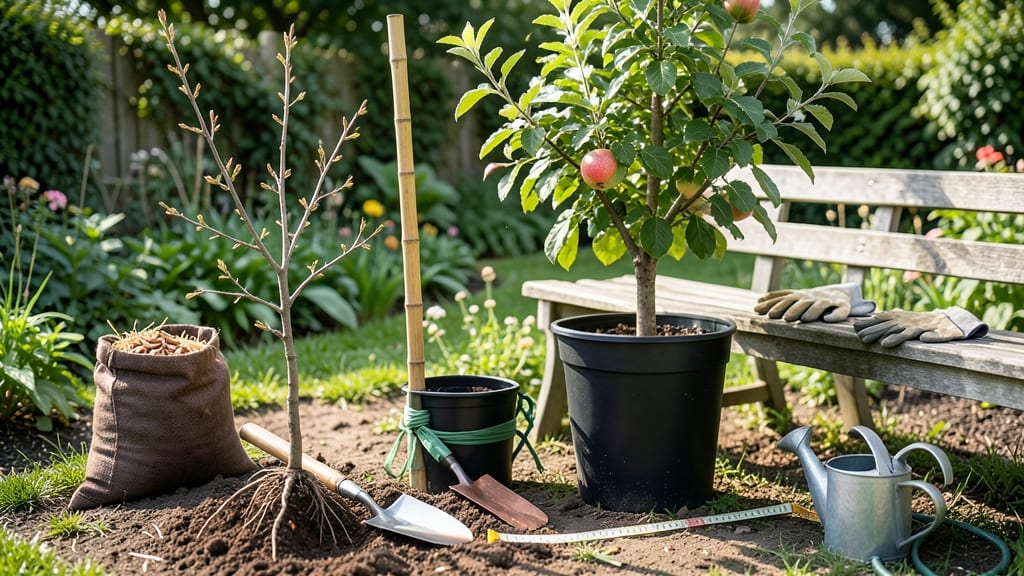
Your first apple tree starts with one simple choice—seed, graft, or sapling—each with its own timeline and rewards. 🌱 I’ve grown all three methods, and while seeds take patience (10+ years for fruit), a well-chosen nursery sapling can bear apples in 3-5 years with the right care.
The secret isn’t just planting—it’s understanding how light, soil, and pruning shape every season of growth.
You’ll need sunny space (6+ hours daily), well-draining soil, and the right tools: pruners, mulch, and a sturdy stake for young trees. My biggest mistake? Skipping soil testing—apple trees thrive in slightly acidic (pH 6-6.5) soil rich in organic matter.
Amend clay or sandy soil before planting, or your tree will struggle even with perfect watering. Think of it as giving your tree the best foundation possible.
By year two, you’ll be pruning for shape and fruit production, not just aesthetics. A properly pruned tree yields bigger, sweeter apples and resists disease better.
The key is timing: prune in late winter or early spring before buds swell, and always cut at a 45-degree angle just above an outward-facing bud. It takes practice, but the payoff is worth every snip.
Here’s the best part: apple trees keep giving. With proper care, they’ll produce fruit for decades, becoming a centerpiece of your yard.
Whether you’re growing for fresh eating, pies, or just the joy of watching blossoms burst in spring, this is a project that rewards patience with real, delicious results. Let’s get those roots in the ground!
📚 In This Guide
- What you need
- Instructions
- Tips and common mistakes
- Wrapping up and next steps
What you need
- ● Apple tree variety: Dwarf, semi-dwarf, or standard rootstock (choose based on space—dwarf trees fit small yards!)
- ● Recommended varieties: Honeycrisp (cold-hardy), Fuji (versatile), or Granny Smith (tart & disease-resistant).
- ● Planting site: Full sun (6–8+ hours/day) 🌞
- ● Well-draining soil (pH 6.0–7.0; test kits available at garden centers)
- ● Space: 15–25 ft apart (standard trees) or 8–12 ft (dwarf trees)
- ● Soil amendments (if needed): Compost (5–10 lbs per planting hole)
- ● Organic matter (e.g., peat moss or coconut coir)
- ● Tools: Shovel or trowel
- ● Pruning shears (sterilized with rubbing alcohol)
- ● Grafting tools (if grafting: knife, grafting tape, and sealant)
- ● Measuring tape
- ● Watering can or hose (with gentle spray nozzle)
- ● Mulch: 2–3 inches of wood chips or straw (keep 6 inches away from trunk)
- ● Fertilizer: Slow-release organic fertilizer (e.g., 10-10-10 NPK) or apple-specific blend
- ● Tree supports: Stakes and ties for young trees (prevents wind damage)
- ● Pest/disease prevention: Copper fungicide (for apple scab)
- ● Neem oil (organic pest deterrent)
- ● Drip irrigation system: Automates watering for consistent moisture
- ● Tree guards: Protects trunk from rodents and lawnmowers
Step-by-step instructions for growing a thriving apple tree
Here's the foolproof method I've used to grow apple trees that produce fruit year after year.
🌱 Step 1: Choose the Right Variety and Planting Site
Start with a disease-resistant apple tree variety suited to your climate zone. Dwarf varieties grow well in containers or small yards, while standard trees need plenty of space for their roots and branches. Look for grafted trees—they'll bear fruit faster than seed-grown ones.
Select a sunny spot with at least 6-8 hours of direct sunlight daily. Apple trees thrive in well-draining soil with a pH between 6.0 and 7.0. Avoid low-lying areas where cold air settles—you'll see better fruit set in warmer microclimates. Test your soil before planting to adjust nutrients as needed.
🪴 Step 2: Plant at the Correct Depth and Time
Plant your apple tree in early spring or late fall when the ground is workable but not frozen. Dig a hole twice as wide as the root ball but no deeper. The top of the root ball should sit 2 inches above ground level—this prevents soil from settling and suffocating the trunk.
Backfill the hole with native soil mixed with compost to improve drainage. Water deeply to settle the soil around the roots, then create a watering basin 3 feet wide around the tree. Mulch with 3 inches of organic mulch (like wood chips) to retain moisture and regulate soil temperature. Keep mulch 6 inches away from the trunk to prevent rot.
☀️ Step 3: Provide Year-Round Care for Healthy Growth
Water your apple tree deeply once a week during the first growing season, providing 1-2 gallons per week depending on tree size. Young trees need consistent moisture to establish roots, but avoid waterlogging—soil should feel damp but not soggy 2 inches below the surface.
Fertilize in early spring with a balanced 10-10-10 fertilizer spread evenly over the root zone. Apple trees benefit from a second feeding in midsummer with a higher nitrogen formula. Prune in late winter or early spring before buds swell, removing dead, crossing, or diseased branches. Thin out crowded branches to improve air circulation and fruit quality.
✂️ Step 4: Protect Against Pests and Diseases
Monitor your tree regularly for signs of common apple pests like aphids, codling moths, and apple scab. Use organic sprays like neem oil or insecticidal soap for early infestations. Apply fungicides in spring if your area has a history of fungal diseases—prevention is easier than treating established infections.
Thin fruit when apples are 1 inch in diameter to improve size and quality. Leave 4-6 inches between fruits on branches, removing smaller or misshapen apples first. This step ensures your tree doesn't overproduce, which can lead to small, poor-quality fruit and stress the tree.
🍎 Step 5: Harvest and Prepare for Winter Dormancy
Harvest apples when they're fully colored and easily detach from the tree with a slight twist. Use a fruit picker or ladder for high branches. Store ripe apples in a cool, dark place with 30-40% humidity to extend shelf life. Unripe apples can finish ripening off the tree if kept at 32-40°F.
Prepare your tree for winter by applying a thick layer of mulch around the base. Wrap the trunk with tree guard or burlap to protect against rodents and frost cracks. Prune again in late fall to remove any remaining dead wood, then reduce watering as temperatures drop. Healthy winter care sets the stage for next year's fruit production.
Tips & tricks for perfect apple tree cultivation
Growing a thriving apple tree takes patience, but these game-changing insights will help you avoid common pitfalls and maximize fruit production.
Variety Selection: Don't just grab any apple tree! Research your USDA hardiness zone to pick varieties that thrive in your climate. For example, 'Liberty' handles cold winters well, while 'Fuji' prefers milder regions. I always check with local nurseries—they often know which varieties perform best in your specific microclimate.
Planting Depth: The graft union should sit 2-3 inches above soil level—this is non-negotiable. Planting too deep suffocates the tree, while planting too shallow exposes it to rot. I use a small stake to mark the correct depth before planting, then double-check after backfilling. This simple step prevents years of growth problems.
Watering Wisdom: Those first-year waterings of 10-15 gallons weekly might seem excessive, but they're crucial for establishing deep roots. I use a rain gauge to track rainfall and only water when we get less than 1 inch of rain per week. Overwatering can be just as harmful as underwatering—always check soil moisture 2 inches down before watering again.
Pruning Precision: When removing 25% of smallest branches in Step 4, focus on branches thinner than a pencil that cross or grow inward. I make my cuts just outside the branch collar using sharp pruners—this promotes faster healing. After pruning, I always spray with diluted neem oil to prevent infections from entering through fresh cuts.
Pro Tips for Make Apple Tree
- Growing a thriving apple tree takes patience, but these game-changing insights will help you avoid common pitfalls an...
- Variety Selection: Don't just grab any apple tree! Research your USDA hardiness zone to pick varieties that thrive in...
- Planting Depth: The graft union should sit 2-3 inches above soil level—this is non-negotiable. Planting too deep suff...
Frequently asked questions
Got questions about growing your own apple tree?
Here are answers to the most common ones—from timing to troubleshooting—so you can nurture a thriving orchard with confidence!
How long does it take for an apple tree to bear fruit?
Most apple trees take 3 to 5 years to produce fruit after planting, depending on the variety and growing conditions. Dwarf trees may fruit faster (2–3 years), while standard trees can take up to 7 years. Patience pays off—consistent care speeds up the process!
What’s the best time of year to plant an apple tree?
Plant bare-root trees in late winter or early spring (before buds swell) or in fall (4–6 weeks before the first frost). Container-grown trees can go in year-round, but avoid extreme heat or cold. Check your USDA zone for ideal timing!
Can I grow an apple tree from a seed?
Yes, but it’s a gamble—seed-grown trees won’t match the parent fruit’s taste or quality. For reliable results, buy grafted nursery trees (rootstock + scion). If you’re experimenting, save seeds from organic apples and expect surprises!
Why are my apple tree leaves turning yellow or curling?
Yellow leaves often signal nutrient deficiencies (like iron or nitrogen) or pests (aphids, mites). Curling may mean viral infections or herbicide drift. Test soil, inspect undersides of leaves, and treat with organic sprays (neem oil) or fungicides if needed.
Do apple trees need cross-pollination to produce fruit?
Most apple trees require another variety nearby for pollination (within 50–100 feet). Check the tree’s label—some (like ‘Granny Smith’) are self-pollinating, but planting 2+ compatible varieties ensures better yields. Bees do the heavy lifting, so avoid pesticides during bloom!
Wrapping up and next steps
Growing a thriving apple tree is all about patience, consistency, and a little love! 🌳 With the right pruning techniques, soil care, and seasonal attention, you’ll be rewarded with bountiful harvests for years to come.
Remember, every cut and nurturing step brings you closer to that perfect apple orchard vibe—so roll up your sleeves and enjoy the journey!
Ready to take the next step? Start small:
- 📅 Mark your calendar for seasonal pruning and fertilizing.
- 🌱 Experiment with varieties to find your favorite apples.
- 📖 Join a local gardening group for tips and inspiration!