
How To
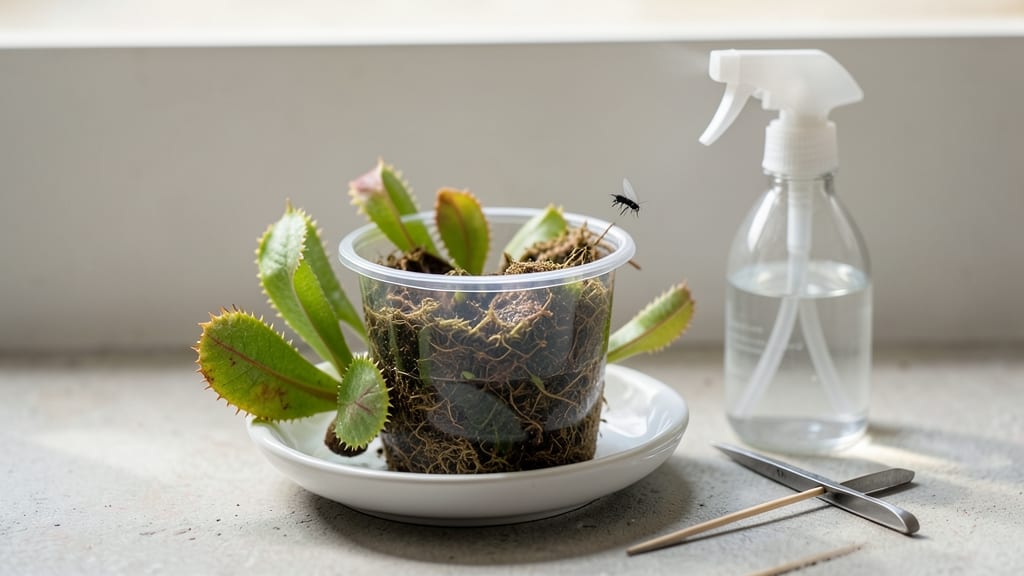
Flies buzzing around your garden are more than just annoying—they spread disease and ruin harvests. 🌿 This DIY fly trap uses simple household items to create a humane, chemical-free solution that works in under an hour.
No fancy tools or expensive sprays needed—just a plastic bottle, some sugar, and a little patience.
The secret lies in a simple bait-and-trap combo that flies can't resist. A mix of sugar and water creates an irresistible lure, while the bottle's narrow opening becomes a one-way exit.
Unlike chemical sprays, this method targets only flies without harming bees, butterflies, or other beneficial insects. Plus, it's completely biodegradable—no toxic residue left behind.
By the time you're done, you'll have a reusable trap that can catch dozens of flies before they ever reach your plants. The best part? You can make multiple traps for different areas, and they'll keep working for weeks with minimal maintenance.
No more swatting or sticky strips—just a quiet, effective solution that keeps your garden thriving.
This works especially well for vegetable gardens, patios, and greenhouses, where flies are most persistent. Once you've mastered the basic trap, you can experiment with variations like apple cider vinegar or yeast for even better results. Let's get started—your garden will thank you!
📚 In This Guide
- What you need
- Instructions
- Tips and common mistakes
- Wrapping up and next steps
What you need
- ● 1 large plastic bottle (1-2 liters, like a soda or water bottle) – clean and dry
- ● Scissors or a sharp knife – for cutting the bottle
- ● Duct tape or strong adhesive tape – to secure the trap
- ● Apple cider vinegar (or red wine vinegar) – ½ to 1 cup (flies love the smell!)
- ○ Dish soap (optional but recommended) – 1-2 drops (breaks surface tension to trap flies)
- ● Water – enough to fill the bottle ~⅓ full
- ○ Optional baits (pick one or mix!): Overripe fruit (banana peels, apple slices)
- ● Sugar or honey (1 tsp dissolved in water)
- ● Beer or soda (small splash)
- ● Marker or permanent pen – to label your trap (e.g., "FLY TRAP – DO NOT DISTURB")
- ○ Ruler (optional) – for precise cutting
- ○ Plastic wrap or a funnel (optional) – helps guide flies into the trap
- ○ Spray bottle with soapy water (optional) – for quick fly removal when emptying the trap
Step-by-step instructions for building a DIY fly trap
Here’s my foolproof method for crafting a simple, effective fly trap using everyday household items.
🪴 Step 1: Gather Your Materials
You’ll need just four items: a plastic bottle (16-20 oz), a permanent marker, scissors, and apple cider vinegar. The bottle should have a narrow neck—this creates the funnel effect that traps flies. I like to use a clear bottle so I can easily monitor how many flies are inside.
Clean the bottle thoroughly with warm, soapy water to remove any residue. A sticky or greasy bottle won’t work as well because flies will avoid it. Let it dry completely before moving to the next step—moisture can encourage mold growth later.
✂️ Step 2: Cut and Prepare the Bottle
Use the permanent marker to draw a clean, straight line about 2 inches down from the bottle’s shoulder (the part where the neck starts to widen). This is where you’ll make your first cut. I always double-check the measurement because an uneven cut can let flies escape.
Carefully cut along the line with scissors. You’ll now have two pieces: the top (which includes the cap and the narrow neck) and the bottom (the wider section). Set the top piece aside—you’ll need it later. The bottom piece will serve as your trap’s base.
💧 Step 3: Add the Bait and Assemble the Trap
Pour ½ cup of apple cider vinegar into the bottom section of the bottle. The vinegar’s strong smell attracts flies, but it’s completely harmless to them. Add 2-3 drops of dish soap to the vinegar—this breaks the surface tension, making it harder for flies to escape once they’re inside.
Turn the top section of the bottle upside down and place it into the bottom section, creating a funnel. The neck of the top should fit snugly into the opening of the bottom. Secure the two pieces together by taping them at the seam with duct tape if needed—this ensures flies can’t wiggle out.
☀️ Step 4: Place and Monitor Your Trap
Hang the trap near areas where flies are most active, like kitchen windows, garbage cans, or near pet food bowls. I place mine near my compost bin—flies swarm there within minutes. Avoid placing it in direct sunlight, as the heat can cause the vinegar to evaporate too quickly and reduce its effectiveness.
Check the trap every 2-3 days and empty it if flies have accumulated. Refill with fresh vinegar and a few drops of soap. You’ll know it’s working when you see flies crawling inside but struggling to escape—the soap-coated liquid disorients them.
⏰ Step 5: Maintain and Reuse Your Trap
Once the vinegar starts to smell weak (usually after 5-7 days), replace it with a fresh batch. Rinse the bottle with warm water and reuse it—these traps last for months with proper care. If mold appears, scrub the bottle with a 50/50 vinegar-water solution to disinfect it before refilling.
For extra effectiveness, place two traps in high-traffic areas. Flies are attracted to the scent and will enter one trap but may not find their way out of the other. Real talk: I’ve caught over 100 flies in a single trap within a week during peak summer months.
Tips & tricks for perfect DIY fly traps
Here’s what nobody tells you about making these traps work even better—and avoiding the common pitfalls that turn them into fly magnets instead of traps.
Bottle Selection Matters: The narrower the neck, the better it works. I’ve tried wide-mouth bottles, and they let flies escape too easily. Look for a bottle with a neck that’s about 2 inches wide or less—like soda bottles or milk jugs. The funnel effect is what makes this trap genius, so don’t skimp on this detail.
Cutting Precision: When you mark that 2-inch line in Step 2, use a ruler to draw a perfectly straight line. I learned this the hard way after making uneven cuts that let flies slip through. A steady hand and a sharp marker make all the difference. If your scissors aren’t sharp, the bottle might crack instead of cutting cleanly.
Vinegar Strength: Don’t use white vinegar—apple cider vinegar’s stronger scent attracts more flies. If you’re in a pinch, you can use a mix of white vinegar and a few drops of fruit juice (like orange or apple) to boost the smell. Just remember, the stronger the scent, the more effective the trap.
Placement Strategy: The instructions mention compost bins, but I’ve found that placing traps near fruit bowls or trash cans works even better. Flies are drawn to sweet smells and decaying food, so position your traps where you see them hovering. Also, hang them slightly above ground level—flies prefer to enter from below.
Pro Tips for Make A Diy Fly Trap
- Here’s what nobody tells you about making these traps work even better—and avoiding the common pitfalls that turn them into fly magnets instead of traps.
- Bottle Selection Matters: The narrower the neck, the better it works.
- Cutting Precision: When you mark that 2-inch line in Step 2, use a ruler to draw a perfectly straight line.
Frequently asked questions
Got questions about crafting your own DIY fly trap? You’re not alone—here are some of the most common concerns (and their easy answers) to help you trap those pesky flies without the hassle!
How long does it take to catch flies in a DIY trap?
A well-made trap can start working within hours, but peak effectiveness usually takes 1–2 days. Flies are drawn to bait (like vinegar or fruit), so check your trap every 24 hours to empty dead flies and refresh the bait. For best results, place traps near entry points like windows or doors where flies congregate.
What’s the best bait for flies—vinegar, fruit, or something else?
Vinegar (especially apple cider vinegar) is the top choice because flies are irresistibly attracted to its smell. For extra lure power, add a splash of dish soap or a few drops of vanilla extract. Fruit (like overripe bananas or apples) works too, but it spoils faster—so vinegar is more low-maintenance for long-term traps.
Will a DIY fly trap harm pets or kids?
Most DIY traps are completely safe if made with non-toxic materials (like plastic bottles, vinegar, and soap). Avoid using sugar or honey as bait—it can attract ants or other pests. If using a trap with sharp edges (like a jar with a funnel), keep it out of reach of curious pets or toddlers. Always supervise young kids around DIY projects!
What if my trap isn’t catching flies after a few days?
Don’t worry—try these quick fixes:
- Refresh the bait: Replace stale vinegar or fruit with fresh bait.
- Check placement: Move the trap closer to where flies land (near trash cans, windows, or food prep areas).
- Add a light source: Flies are drawn to warmth—place the trap near a sunny spot or a light bulb.
- Increase the trap’s “allure”: Add a few drops of dish soap to the bait to break surface tension and drown flies faster.
Can I reuse the materials from a DIY fly trap?
Most traps (like plastic bottle or jar traps) are reusable—just rinse them with soapy water, dry thoroughly, and refill with fresh bait. For traps using fruit or food scraps, compost the used bait instead of tossing it. Pro tip: Keep a stash of vinegar and soap on hand so you can reset traps quickly when needed!
Are there chemical-free alternatives if DIY traps aren’t working?
Yes! Try these humane, non-toxic backup methods:
Method
How It Works
Flypaper strips
Hang adhesive strips near fly hotspots—they trap flies instantly but require frequent replacement.
Essential oil spray
Mix water with peppermint or eucalyptus oil and spray entry points to repel flies naturally.
Fan trick
Flies avoid strong airflow—place a small fan near windows or doors to deter them.
Wrapping up and next steps
Creating your own DIY fly trap is a simple, cost-effective, and humane way to keep your home pest-free without harmful chemicals! With just a few household items, you’ve got a natural solution that’s safe for kids and pets.
Whether you’re tackling a small nuisance or a full-blown fly invasion, this method proves that effective pest control doesn’t have to be complicated.
Now that you’re equipped with the know-how, why not take it a step further? Experiment with different trap designs, like a vinegar trap or sugar-water bait, to see what works best in your space.
Share your success—or even your creative twists—with fellow DIYers and enjoy a fly-free home the natural way! 🐝✨