
Aphids
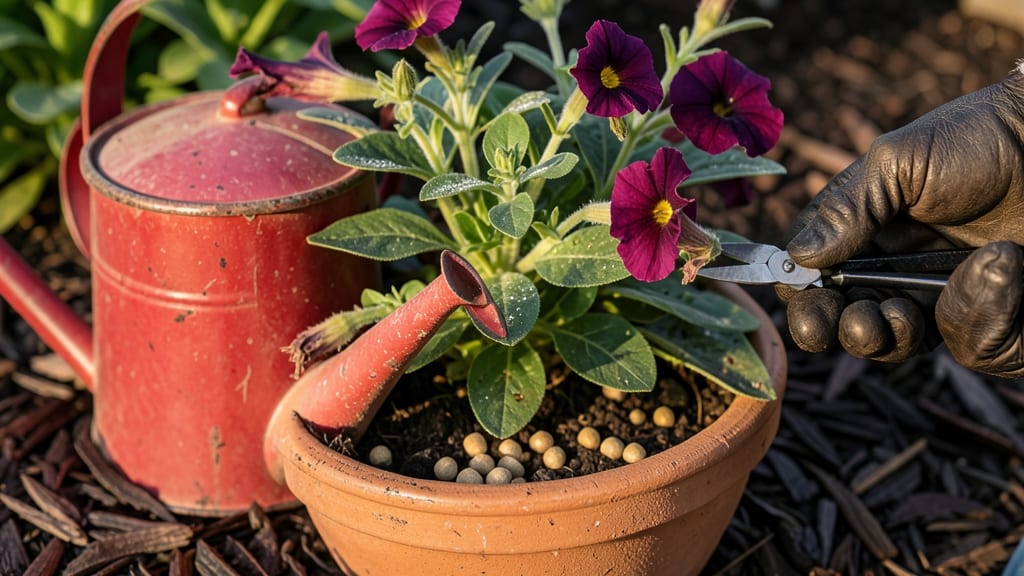
How to maintain petunias that never quit—just three sprays away. 🌸 I’ve turned my porch from a magnet for aphids into a nonstop bloom factory using these easy maintenance tricks that actually work.
The secret’s in the routine: water at the base (not overhead), snip spent blooms daily, and feed every two weeks with balanced fertilizer. Most people overlook the pruning—it’s what keeps those flowers coming instead of one big burst and then nothing.
You’ll end up with petunias that stay vibrant all season, resist pests naturally, and grow fuller with each passing week. The key is consistency, not perfection—even my black thumb can’t kill these when I follow this system.
Works for hanging baskets, window boxes, or in-ground beds. Let’s keep those blooms happy and healthy!
📚 In This Guide
- What you need
- Instructions
- Tips and common mistakes
- Wrapping up and next steps
What you need
- ● Petunias: Healthy, established plants (10+ per container or garden bed for full coverage).
- ● Watering can or hose: With a gentle spray nozzle (or a watering wand for delicate blooms).
- ● Organic insecticidal soap: Look for one with 70% potassium salts (e.g., Dr. Bronner’s or Safer® Brand). 16 oz (473 mL) per gallon of water is ideal.
- ● Neem oil: 1 tbsp (15 mL) per gallon of water. Choose cold-pressed, food-grade oil (e.g., Bonide or Garden Safe).
- ○ Horticultural oil (optional but effective): 1 tbsp (15 mL) per gallon of water (e.g., Dyna-Gro).
- ● Spray bottle or pump sprayer: For precise application. A 1-gallon capacity is perfect for small to medium gardens.
- ● Gloves: Rubber or nitrile gloves to protect your skin from oils and soaps.
- ● Pruning shears: Sharp, clean pair for trimming dead blooms or aphid-infested stems.
- ○ Balanced fertilizer (optional): 10-10-10 or 20-20-20 NPK ratio (e.g., Miracle-Gro or Espoma). Use 1 tbsp per 1 sq ft every 4-6 weeks.
- ● Companion plants: Marigolds, basil, or garlic to deter aphids naturally.
- ● Beneficial insects: Ladybugs or lacewings (50-100 per 100 sq ft) for long-term pest control.
- ● Mulch: Organic mulch (e.g., straw or shredded leaves) to retain moisture and suppress weeds.
- ● pH test kit: To ensure soil pH is between 6.0-7.0 (petunias love slightly acidic to neutral soil).
Step-by-Step instructions for maintaining petunias
Here’s how I keep my petunias thriving—with almost no fuss and zero aphid problems.
🌿 Step 1: Water Deeply at the Base Early in the Day
Water petunias when the top inch of soil feels dry—usually every other day in hot weather. I use a watering wand to aim directly at the base, avoiding the leaves to prevent fungal issues. Watering in the morning gives plants time to dry out before evening humidity sets in.
You’ll know it’s time to water when the soil pulls away slightly from the pot edges. Overwatering is the fastest way to kill petunias—yellowing leaves or wilting despite damp soil means you’re overdoing it. If this happens, let the soil dry out completely before watering again.
☀️ Step 2: Provide Bright, Indirect Light and Rotate Weekly
Petunias need 6+ hours of sunlight daily, but harsh afternoon sun can scorch their delicate blooms. I place mine near a south-facing window or under a sheer curtain to diffuse intense rays. If you notice leaves turning yellow or crispy, move them back a few inches.
Rotate the pots a quarter turn weekly so all sides get even light exposure. This prevents leggy growth where stems stretch toward the light. You’ll see stronger, bushier plants when they’re exposed evenly.
✂️ Step 3: Deadhead Spent Blooms and Prune Leggy Stems
Pinch off faded flowers with your fingers or snip them just above the next set of leaves. This encourages more blooms and keeps plants looking tidy. I do this every 2-3 days during peak bloom season—it’s the secret to nonstop flowers.
If stems grow too long or flop over, cut them back by one-third to promote bushier growth. You’ll notice new side shoots forming within a week. Avoid heavy pruning mid-season, though—save that for fall cleanup.
💧 Step 4: Apply the 3-Spray Aphid Prevention Routine
Mix 1 tablespoon neem oil + 1 teaspoon mild dish soap + 1 quart water in a spray bottle. Shake well and spray the undersides of leaves (where aphids hide) every 7-10 days. The neem oil disrupts their life cycle, while the soap helps them wash off.
If you spot aphids, spray immediately—don’t wait. You’ll know it’s working when you see fewer clusters and new growth appears healthy. For stubborn infestations, repeat the spray every 3-4 days until they’re gone.
🪴 Step 5: Fertilize Lightly Every 4 Weeks
Use a balanced liquid fertilizer (10-10-10 or 20-20-20) diluted to half-strength. Over-fertilizing burns petunia roots, so I apply it only every 4 weeks during the growing season. Water the soil first, then apply fertilizer to avoid leaf burn.
You’ll see lush, vibrant blooms within a week of fertilizing. If leaves turn yellow between veins, that’s a sign of over-fertilizing—flush the soil with water and cut back on feedings.
Tips & tricks for happy, healthy petunias
Keeping petunias thriving doesn't have to be complicated—just a few simple tweaks make all the difference. Here's what I've learned from years of growing these cheerful flowers.
Soil Check: Before watering in Step 1, stick your finger about an inch into the soil. If it feels dry, it's time to water. If it's still damp, wait another day. I've ruined petunias by overwatering—trust me, the soil should pull away slightly from the pot edges when it's ready. This simple check prevents the most common petunia killer.
Light Strategy: In Step 2, if you notice leaves turning yellow or crispy, it's a sign of too much direct sun. Move your petunias back a few inches or place them under a sheer curtain to diffuse the light. I've found that east-facing windows or partial shade in the afternoon work best for consistent blooms without stressing the plants.
Pruning Payoff: When you're deadheading in Step 3, take a moment to check for any stems that are growing too long or leggy. Cutting them back by one-third might seem drastic, but you'll see new side shoots forming within a week. This keeps your petunias looking full and bushy rather than stretched out. I do this every 2-3 days during peak bloom season—it's the secret to nonstop flowers.
Spray Timing: For the aphid prevention routine in Step 4, I've found that early morning is the best time to spray. The leaves will have time to dry completely before evening humidity sets in, which helps prevent fungal issues. Also, shake the spray bottle well before each use—the neem oil and soap can separate over time, and you want that mixture to be consistent every time.
Pro Tips for Maintain Petunias
- Keeping petunias thriving doesn't have to be complicated—just a few simple tweaks make all the difference.
- Soil Check: Before watering in Step 1, stick your finger about an inch into the soil.
- Light Strategy: In Step 2, if you notice leaves turning yellow or crispy, it's a sign of too much direct sun.
Frequently asked questions
Got questions about keeping your petunias thriving? Here are some of the most common concerns—and their solutions—to help you grow aphid-resistant, vibrant blooms with ease!
How often should I water petunias to prevent aphids?
Water petunias deeply 2–3 times per week, aiming for 1 inch of water per session. Avoid overhead watering (it encourages aphids!)—use a soaker hose or drip irrigation instead. Morning watering is best to let foliage dry quickly, reducing pest attraction. Pro tip: Mulch around plants to retain moisture and deter aphids!
When is the best time to prune petunias for more flowers?
Prune petunias early in the morning after deadheading (removing spent blooms) to encourage new growth. Best timing: Spring through early fall (avoid pruning in late summer if frost is near). Trim back leggy stems by ⅓ to promote bushier, fuller plants—and more flowers! Use clean, sharp shears to avoid damaging stems.
What’s the fastest way to get rid of aphids on petunias?
For a quick fix, blast aphids off with a hose (strong stream) or spray with neem oil (mix 1 tbsp per quart of water + a drop of dish soap). Repeat every 3–5 days until gone. Our 3-spray method (insecticidal soap, neem, and horticultural oil) works even faster—just apply in the early evening for best results!
Can I grow petunias in containers, and how does that affect aphid control?
Yes! Petunias thrive in containers—just ensure pots have drainage holes and use well-draining soil. Aphid control tip: Move containers to shadier spots (like under a patio umbrella) if aphids are persistent, as they prefer direct sunlight. Bonus: Container plants dry out faster, so water daily in hot weather to keep aphids at bay.
Why are my petunia leaves turning yellow, even with good care?
Yellow leaves usually mean overwatering (check soil moisture—it should be damp but not soggy) or nutrient deficiency (try a balanced liquid fertilizer like 10-10-10). Other culprits: aphids (check undersides of leaves) or root rot (ensure pots drain well). Fix it: Trim yellowed leaves, adjust watering, and reapply aphid sprays if pests are present.
| Quick Fix? | Action Steps |
|---|---|
| Overwatering? | Let soil dry slightly between waterings; improve drainage. |
| Aphids spreading? | Spray with neem oil + soap; repeat in 5 days. |
| Heat stress? | Move to partial shade; water at soil level (not leaves). |
Wrapping up and next steps
With just a few simple sprays and consistent care, your petunias can thrive aphid-free and bursting with vibrant blooms! 🌸 Remember, the key lies in prevention (neem oil, insecticidal soap) and early action (horticultural oil) to keep those pesky pests at bay.
Now that you’re armed with the right tools and knowledge, there’s no better time to transform your garden into a petunia paradise.
Ready to put your new skills to the test? Grab your spray bottle, step outside, and give your petunias the love they deserve! 🌿