
Pests
Struggling to keep petunias thriving? These 10 battle-tested strategies will transform your garden into a vibrant, long-blooming paradise—even in tough climates or challenging conditions. From soil secrets to pest prevention, we cover every critical factor for petunia success.
Start with well-draining soil mix
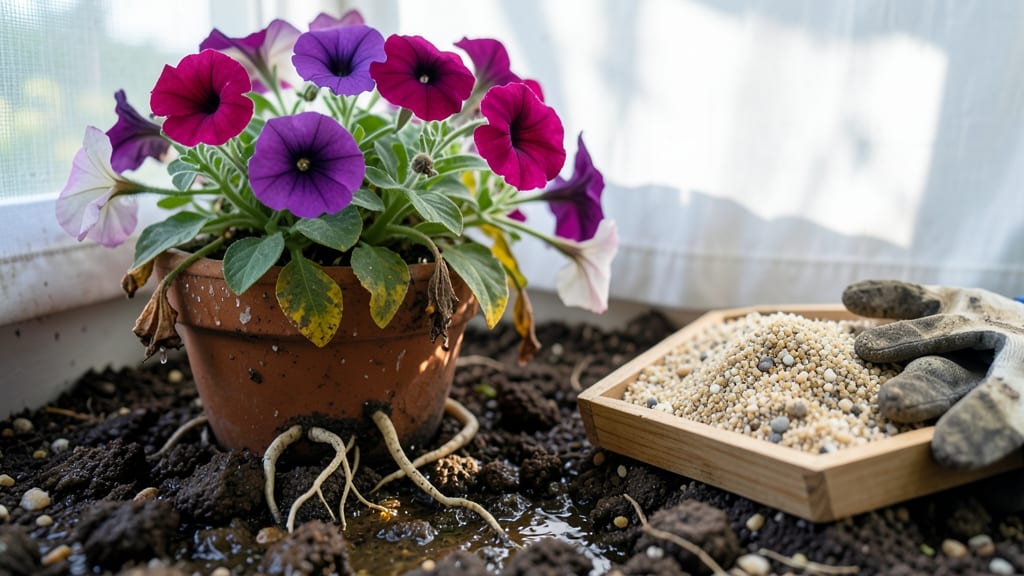
If your petunias keep wilting despite regular watering, the problem might be hiding right under their roots—soggy soil. Petunias despise damp conditions, which lead to root rot and stunted growth. The fix? A lightweight soil mix that drains fast while retaining just enough moisture to keep roots happy.
For containers, blend 50% potting soil, 30% perlite or vermiculite, and 20% compost. This airy mix prevents waterlogging while providing nutrients. In garden beds, amend heavy clay soil with sand or coconut coir to improve drainage. Test your mix: After watering, the top inch should dry within 24 hours—if not, add more perlite.
This simple adjustment is especially game-changing for urban gardeners with limited drainage or those using recycled containers. Healthy roots mean nonstop blooms from spring to frost. 🌱
Master the perfect watering schedule
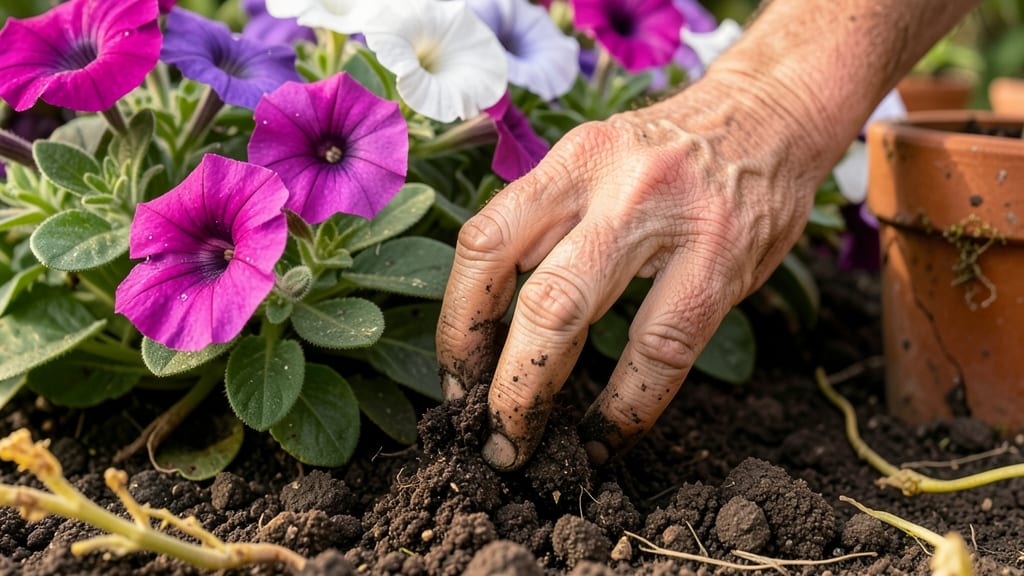
Petunias wilt faster from overwatering than from pests—yet most gardeners guess when to water, leading to mushy roots and lost blooms. The solution? A foolproof finger test that works for both containers and garden beds, giving you precise control without drowning your plants.
Stick your finger 1-2 inches deep into the soil. If it feels dry, water thoroughly until moisture reaches the roots. If damp, wait another day. For containers, check daily in hot weather, while garden plots may only need water every 2-3 days. Morning watering prevents fungal issues, and mulch helps retain moisture between sessions.
This method is especially helpful for beginners or busy gardeners who want consistent results without constant monitoring. A little patience with watering means longer-lasting blooms and fewer sad, droopy petunias. 💡
Use slow-release fertilizer pellets
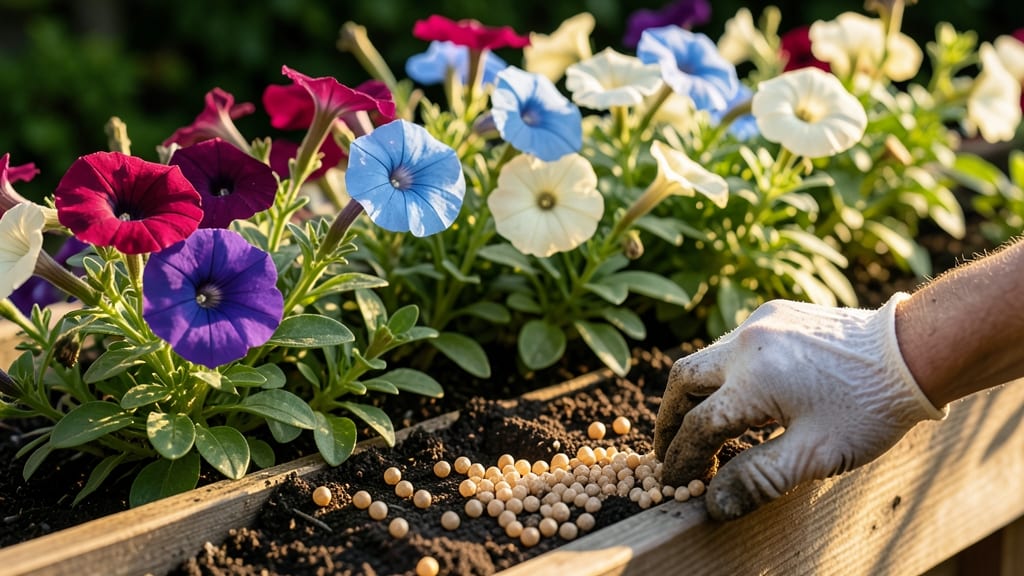
Tired of petunias that bloom fiercely for a few weeks then fizzle out? Slow-release fertilizer pellets are the secret weapon for consistent, long-lasting blooms without the hassle of weekly feeding. These tiny time capsules dissolve gradually, delivering nutrients exactly when your petunias need them—no over-fertilization, no burnt leaves, just steady growth.
Simply mix 5-10 pellets into the soil at planting (or top-dress established plants) and forget about it. Brands like Osmocote or Jobe provide 3-6 months of balanced nutrition, perfect for busy gardeners who don’t have time for weekly fertilizing. For containers, use half the recommended dose—petunias in pots need less to avoid salt buildup. The key is placement: sprinkle pellets 1-2 inches below the surface where roots actively grow.
This method is especially great for urban gardeners with limited time or those prone to over-fertilizing. The slow release prevents nutrient spikes that stress plants, while the timed formula ensures your petunias keep producing those show-stopping blooms from spring until frost. 💚
Deadhead flowers regularly for reblooming
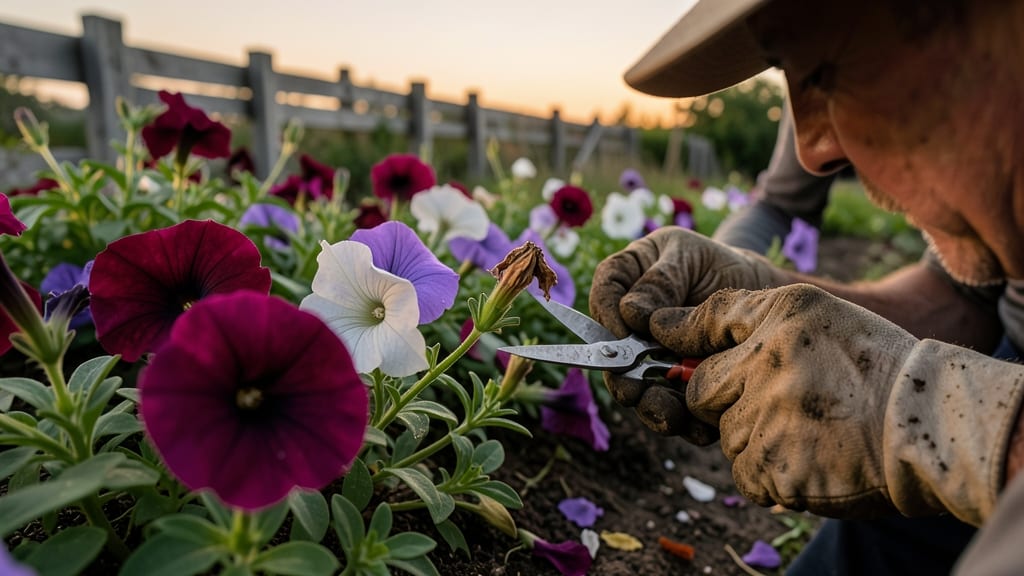
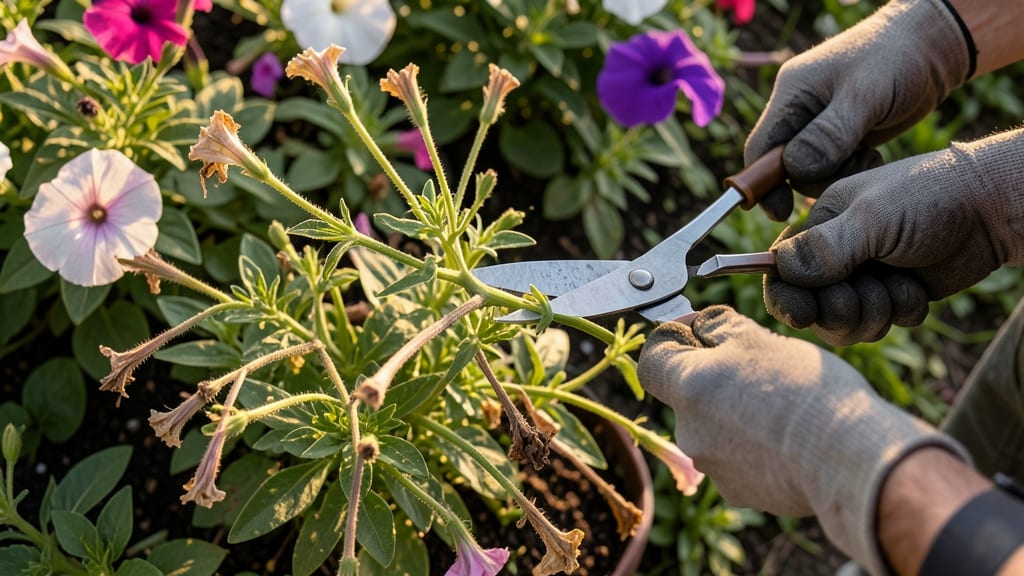
Want petunias that bloom nonstop until frost? The secret lies in a quick, daily ritual that most gardeners overlook—deadheading. This two-minute task redirects the plant's energy from seed production to creating fresh blooms, effectively doubling your flowering season.
Use the "pinch-and-snip" method: Pinch off spent blooms with your fingers (for small flowers) or snip just above a leaf node with clean shears. Focus on removing the entire flower head, not just the petals—this prevents seed pods from forming. For trailing varieties, work from the bottom up to keep stems tidy. Do this every 2-3 days during peak bloom for maximum impact.
This technique is especially valuable for container gardeners and those with limited space, as it maximizes bloom density without requiring extra plants. Just 5 minutes daily can transform a sparse petunia into a lush, continuous display. ✨
Protect from afternoon sunburn
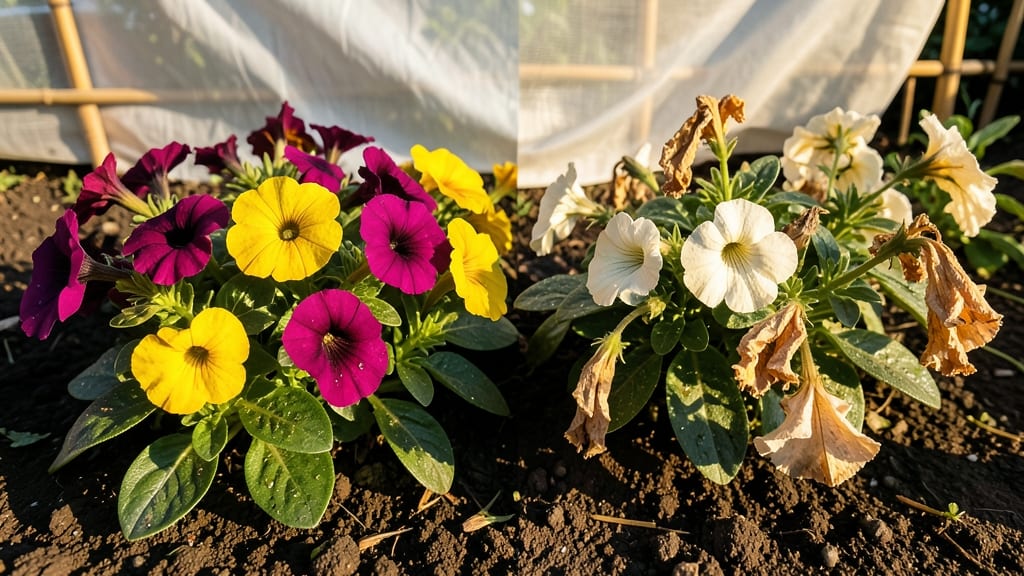
Your petunias may crave sunlight, but afternoon sunburn can turn their vibrant blooms into sad, wilted messes—especially in southern climates where heat peaks at its harshest. The solution isn’t moving them to shade entirely, but strategically filtering that intense light to keep them thriving.
Start with sheer garden fabric or lightweight shade cloth (30-50% blockage) draped over containers or garden beds during midday hours (11 AM–3 PM). For permanent solutions, plant them near tall shrubs or trees that provide dappled shade—this mimics their natural habitat while still allowing 6+ hours of morning sun they need. If using containers, opt for light-colored pots to reflect excess heat.
Gardeners in hot, dry regions will see the biggest difference, as this method prevents leaf scorch while maintaining those show-stopping colors. Even a few hours of afternoon shade can extend your petunias’ bloom season by weeks. 🌻
Combat common petunia pests naturally
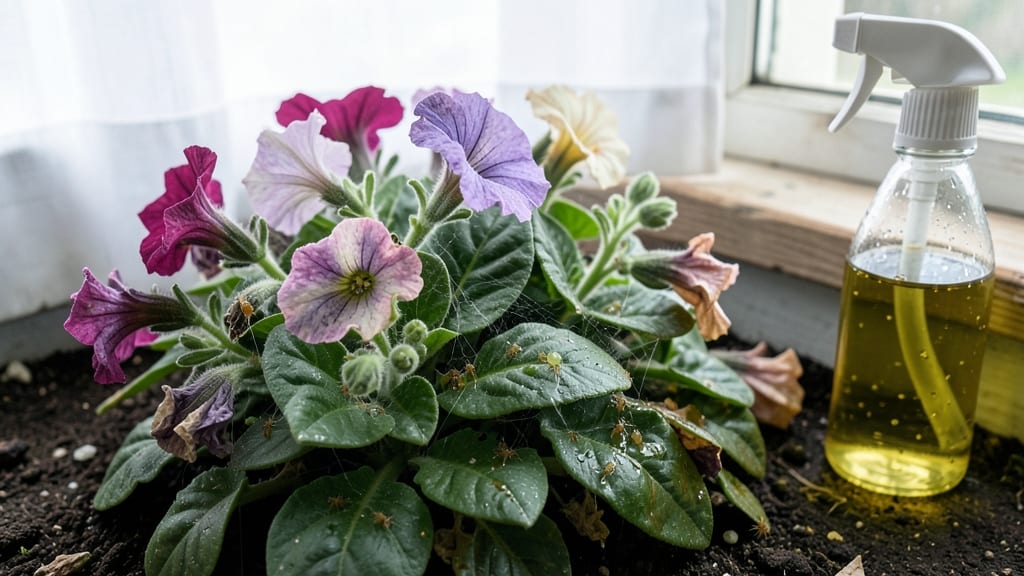
Aphids and spider mites may be tiny, but they can turn your petunias into a sad, sticky mess faster than you can say "deadheading." The good news? You don’t need harsh chemicals to fight back—just a few organic tricks that keep your blooms safe and your pollinators happy.
Start with a neem oil spray (1 tsp per quart of water) applied every 7–10 days to smother aphids and deter mites. For a preventive barrier, interplant petunias with marigolds or basil—their strong scents repel pests naturally. If you spot spider mites (tiny yellow dots on leaves), blast them off with a strong stream of water in the morning, then follow up with insecticidal soap. Repeat weekly until pests vanish.
This method works best for gardeners who prioritize eco-friendly solutions and want to avoid disrupting local ecosystems. Your petunias—and bees—will thank you! 💚
Choose disease-resistant varieties
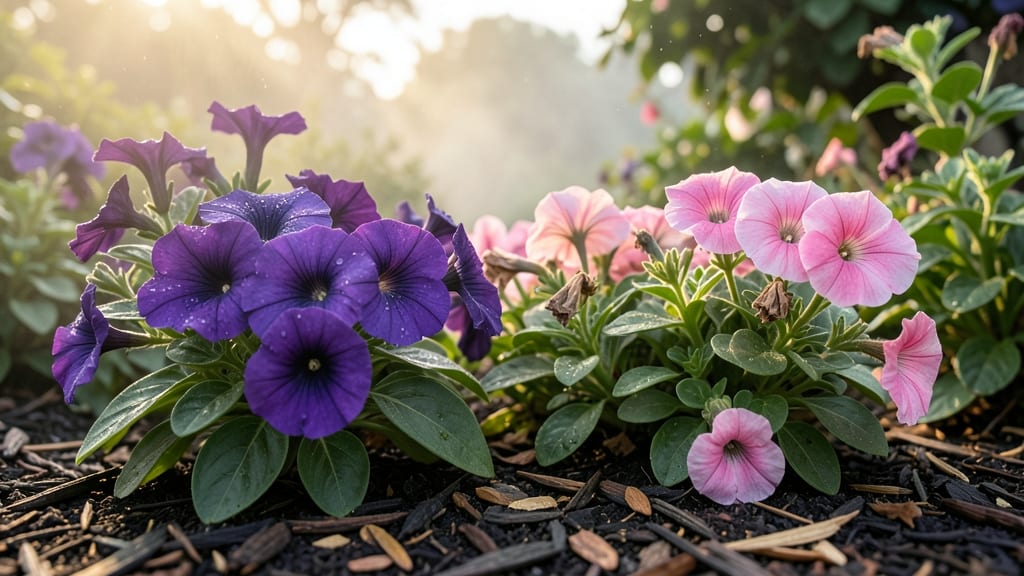
If your petunias keep wilting or developing spots despite your best care, the issue might start with the wrong variety. Disease-resistant petunias like 'Wave Purple' or 'Supertunia Vista Bubblegum' are bred to fight powdery mildew and tomato spotted wilt virus, which are common in humid climates or crowded gardens where airflow is poor.
These varieties thrive with minimal intervention—no extra fungicides or quarantines needed. Look for labels with terms like "disease-resistant" or "virus-resistant" when shopping. For extra protection, space plants 12-18 inches apart to improve airflow, reducing the risk of fungal spread.
Gardeners in hot, muggy regions or those with limited time for maintenance will see the biggest benefits—healthier plants mean fewer replacements and more vibrant blooms all season. 🌟
Rotate containers for even growth
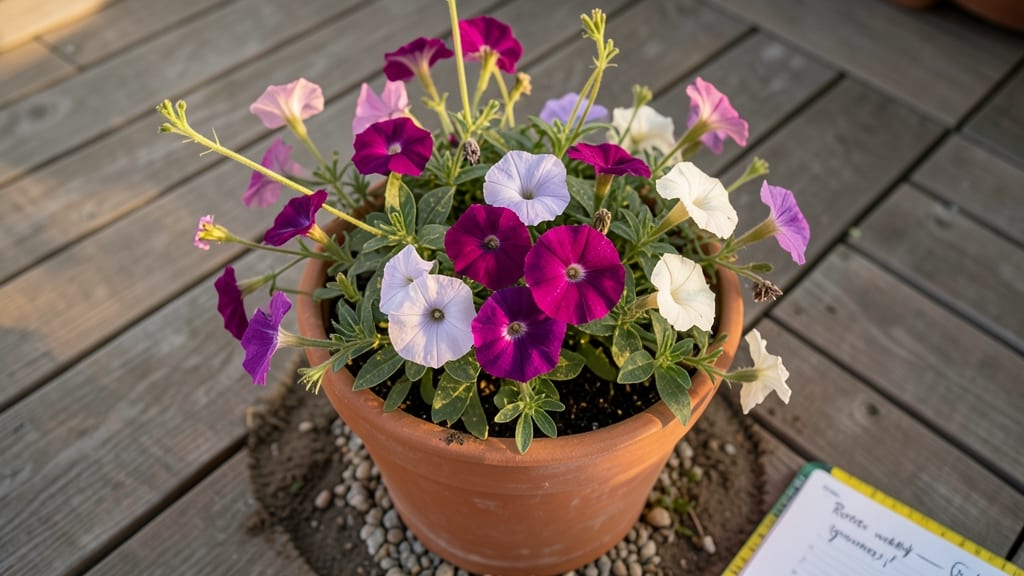
Tired of petunias that lean dramatically toward the sun, creating lopsided, leggy plants? A simple weekly container rotation is your secret weapon for balanced, bushier growth that blooms evenly in all directions.
Give your containers a quarter-turn every 7 days to ensure all sides receive equal sunlight exposure. This prevents uneven stretching toward light sources and encourages stronger stems. For balcony gardeners or those with limited space, this trick maximizes bloom potential without extra effort—just a gentle spin and watch your petunias transform into symmetrical, thriving plants. 🌟
Extend blooming season with winter care
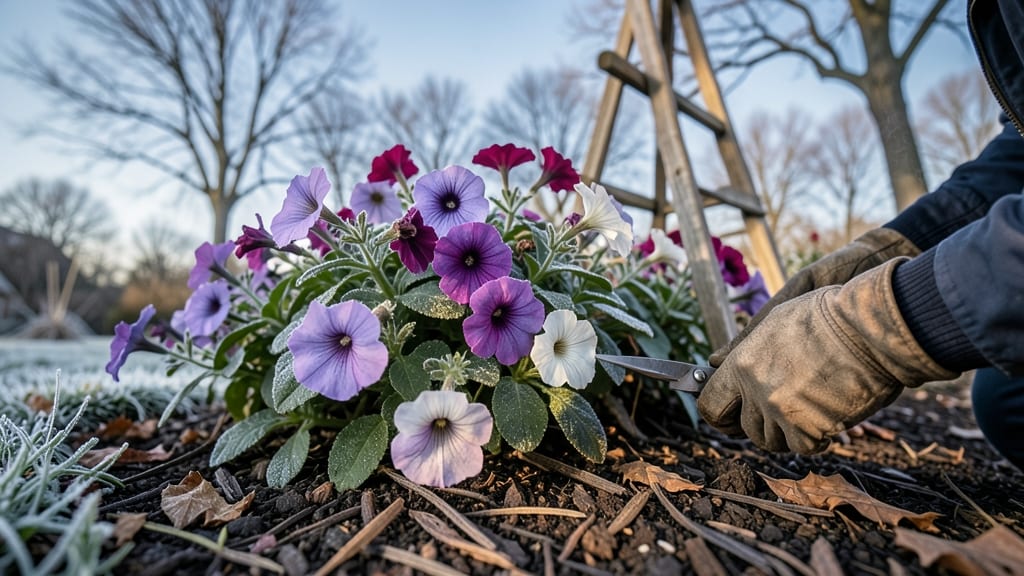
Don’t let frost end your petunia show—cold-hardy varieties like Surfinia and Wave can survive light freezes with the right care, giving you color well into spring. The secret lies in protecting them before temperatures drop below 25°F, when damage becomes likely.
Start by cutting back faded stems to 2-3 inches above the soil, then wrap containers in burlap or use frost cloth for garden beds. Mulch heavily around the base (3-4 inches) to insulate roots, and move potted plants to a sheltered spot against a south-facing wall. For extra protection, top containers with styrofoam cups filled with leaves—this creates an insulating air pocket.
This method works best for gardeners in USDA zones 8-10 who want to extend their season without replanting. With minimal effort, you’ll have a head start on spring blooms! 🌷
Revive struggling petunias with pruning

Leggy or sparse petunias don’t mean the end of your blooms—pruning can bring them back to life with a second burst of color. This simple technique works for both struggling plants in the ground and cuttings you can root for next season.
Start by cutting back overgrown stems by one-third, focusing on the longest, leggiest growth. Use clean, sharp shears to avoid damaging the plant, and remove any yellow or diseased leaves. For established plants, pruning in early morning reduces stress, while cuttings can be rooted in water or moist perlite. After pruning, increase water slightly and add a balanced fertilizer to encourage new growth.
This method is perfect for gardeners who want to extend their petunia season without starting over. With just 10 minutes of work, you’ll see fresh buds in as little as two weeks—proving even struggling plants can make a stunning comeback. 🌻