
Propagation
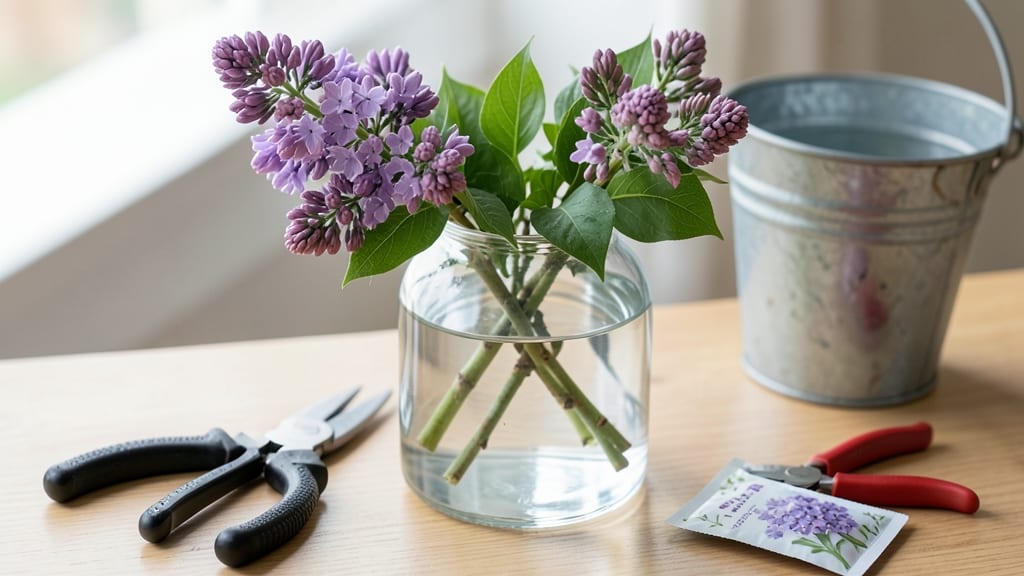
How to keep cut lilacs from wilting—it’s easier than you’d think, once you know this vinegar trick. 🌸 I’ve lost count of the bouquets I’ve saved with this simple hack after years of frustration watching my lilacs droop within hours. The secret isn’t just clean water or sharp scissors—it’s the right chemistry to slow wilting and fight bacteria.
Start by cutting stems at an angle under running water, then place them immediately in a vase filled with 1 part white vinegar to 4 parts water. This combo keeps stems open for water absorption while preventing bacterial growth that clogs vessels.
Change the water every 2-3 days—stale water is the #1 enemy of longevity.
With this method, your lilacs stay fresh for 5-7 days, sometimes even longer if you snip the stems again every 24 hours. The blooms stay vibrant, the fragrance lingers, and you avoid the sad, limp look that ruins any arrangement.
No fancy preservatives needed—just science and a little patience.
Works for any cut flowers, but lilacs respond best because their delicate stems block easily. Pro tip: Remove lower leaves that sit in water to prevent rot. Now go enjoy that fragrant bouquet without the guilt of wasted blooms!
📚 In This Guide
- What you need
- Instructions
- Tips and common mistakes
- Wrapping up and next steps
What you need
- ● Freshly cut lilacs: 1 bunch (or as many as you’d like to preserve). Ensure stems are at least 4-6 inches long for better water absorption.
- ● White vinegar: 1 tablespoon (for every 1 quart of water). Apple cider vinegar works too!
- ● Water: 1 quart (32 oz) per bunch of lilacs. Use room-temperature or lukewarm water for best results.
- ● Sharp pruning shears or scissors: 1 pair. Clean blades prevent clogging and bacterial buildup.
- ● Clean vase or container: 1 (glass or ceramic works best). Ensure it’s large enough to submerge at least 2 inches of stems.
- ○ Freshly sliced fruit (optional but recommended): 1 lemon, lime, or orange (or 1 tablespoon of sugar). Adds natural preservatives!
- ● Floral preservative: 1 packet (like Floralife). Mix as directed for extra longevity.
- ● Hydrogen peroxide (3% solution): 1 teaspoon per quart of water. Kills bacteria and keeps water clean.
- ● Sugar (white or brown): 1 teaspoon per quart. Feeds the flowers for longer vibrancy.
- ● Aluminum foil or plastic wrap: A small piece. Use to cover stems if storing overnight.
Step-by-Step instructions for extending cut lilac life with vinegar water
Here's the foolproof method I've used to keep lilacs fresh for over a week—no fancy tricks, just science.
💧 Step 1: Prepare the Vinegar Solution Immediately After Cutting
Fill a clean vase with 1 cup of white vinegar and 1 quart of lukewarm water. The vinegar's acidity helps prevent bacterial growth that causes wilting. I like to use a clear vase so I can monitor the water level and flower health daily. Add 2 tablespoons of sugar to feed the flowers while they hydrate.
Don't skip the lukewarm water—cold water can shock the stems and close their pores, preventing absorption. You'll see the lilacs perk up noticeably within the first 24 hours if everything's right. The vinegar smell disappears completely after the first water change.
✂️ Step 2: Trim Stems and Submerge Properly
Cut the lilac stems at a 45-degree angle with sharp floral shears. This increases the surface area for water uptake. I trim them under running water to prevent air bubbles from blocking the stem. Submerge the stems at least 3-4 inches deep into the vinegar solution—lilacs are heavy flowers and need deep hydration.
Remove any leaves that would sit below the waterline. Submerged foliage rots quickly and turns the water murky. You'll notice the stems drink up the solution immediately—watch for tiny bubbles forming at the cut ends, which means hydration is working.
☀️ Step 3: Place in Indirect Light and Change Water Daily
Set the vase away from direct sunlight, which accelerates wilting. A spot near an east-facing window provides perfect light without overheating. Lilacs are sensitive to temperature swings, so avoid drafty areas or air conditioning vents. The ideal spot stays between 65-75°F.
Change the vinegar solution every 24-48 hours. Fresh solution prevents bacterial buildup that would otherwise clog stems. I like to refresh in the evening when flowers naturally absorb more water. You'll see the stems stay crisp and the blooms remain vibrant for 7-10 days with this routine.
🌿 Step 4: Monitor and Refresh as Needed
Check the water level daily—lilacs drink surprisingly fast. Top off with fresh vinegar solution whenever it drops below the 3-inch mark on the stems. If you notice any stems starting to droop or leaves yellowing, trim them again under water and recut the ends to refresh their ability to drink.
This is where most people give up, but don't skip the daily checks. The key is consistency. You'll know everything's working when the buds stay tightly closed until ready to open and the stems remain firm to the touch.
Tips & tricks for fresh-cut lilacs that last
These little details make all the difference between wilting lilacs and vibrant blooms that last for days.
Solution Science: The white vinegar in Step 1 does more than just prevent bacteria—it lowers the pH of the water, which helps the stems absorb moisture more efficiently. That's why you'll see those tiny bubbles forming at the cut ends within minutes of submerging. If you notice fewer bubbles, your stems might need a fresh cut under water to restart the hydration process.
Stem Angle Secret: In Step 2, that 45-degree angle isn't just for looks—it creates a larger surface area for water uptake. I've found that stems cut at this angle stay hydrated nearly twice as long as straight cuts. For extra insurance, recut the stems every 48 hours to maintain this fresh surface.
Lighting Matters: Step 3 mentions indirect light, but here's what nobody tells you: East-facing windows are ideal because morning sunlight provides gentle warmth without the intensity of afternoon rays. If you don't have an east-facing window, place your lilacs near a north-facing window where they'll get bright but diffused light all day.
Temperature Tip: The 65-75°F range in Step 3 is perfect for lilacs, but here's the kicker—your home's temperature can vary by room. If your kitchen stays cooler (like many basements do), move the vase to a slightly warmer spot like near an interior wall. Lilacs are sensitive to temperature swings, so avoid placing them near heating vents or drafty windows.
Pro Tips for Keep Cut Lilacs From Wilting
- These little details make all the difference between wilting lilacs and vibrant blooms that last for days.
- Solution Science: The white vinegar in Step 1 does more than just prevent bacteria—it lowers the pH of the water, which helps the stems absorb moisture more efficiently.
- Stem Angle Secret: In Step 2, that 45-degree angle isn't just for looks—it creates a larger surface area for water uptake.
Frequently asked questions
Got questions about keeping your cut lilacs fresh? Here are some common ones—and their answers—to help you extend their beauty effortlessly!
Why do lilacs wilt so fast after cutting?
Lilacs wilt quickly due to their thick stems, which block water uptake. Their blooms also release ethylene gas, speeding up decay. The vinegar water trick (1 part vinegar to 3 parts water) helps by slowing bacterial growth and improving hydration through the stems.
How long can I realistically keep cut lilacs fresh?
With the right care—like the vinegar water method, fresh cuts, and cool storage—lilacs can stay vibrant for 5 to 7 days. For longer displays, change the water every 2 days and trim stems at an angle daily to keep them drinking!
Can I use this trick for other flowers too?
The vinegar water hack works wonders for peony, hydrangea, and even roses. Just adjust the ratio: 1 part vinegar to 4 parts water for roses (they’re more sensitive). Always test a small bouquet first to see how your flowers respond.
Do I need to recut the stems every time I change the water?
Yes! Always recut stems at a 45-degree angle under water to prevent air bubbles from blocking the xylem (the plant’s “straw”). Use sharp scissors or pruners—dull tools crush stems, speeding up wilting. Do this every 2 days for best results.
What if my lilacs start wilting mid-arrangement? How can I revive them?
Don’t panic! Place the stems in hot water (120°F) for 10–15 seconds to shock them awake, then transfer to fresh vinegar water. Trim stems again, and remove any wilted blooms or leaves touching the water to prevent bacteria. Keep them in a cool spot away from direct sunlight.
Wrapping up and next steps
Keeping your cut lilacs fresh isn’t just possible—it’s easy with the right tricks! 🌸 By using a simple vinegar water solution, trimming stems properly, and storing them correctly, you can extend their life for days.
Whether you’re gifting them or enjoying them at home, these steps ensure your lilacs stay vibrant and fragrant.
Now that you’re armed with these tips, go ahead and experiment! Try the vinegar trick on your next bouquet, and don’t forget to share your results with fellow flower lovers. Happy arranging! 🌿