
Pests
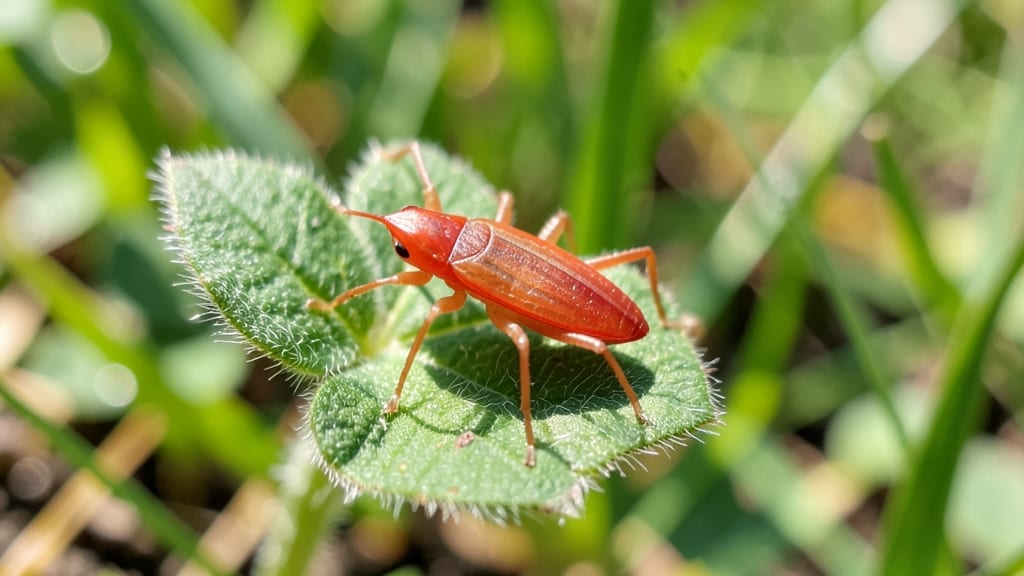
How to keep clover mites away from your lawn starts with a neem oil barrier that disrupts their feeding within hours—not days. This isn’t just another spray; it’s a science-backed shield that keeps them off plants and grass for weeks. The problem starts when these tiny red pests hitchhike on plants or grass clippings, then multiply like crazy. They don’t burrow—they just cluster on leaves and stems, sucking sap until foliage looks like it’s been dusted with rust. But here’s the good news: neem oil doesn’t just kill them on contact. It creates a protective film that repels them for up to 10 days after application. By morning, you’ll see fewer mites crawling up your house or garden. The neem oil works by disrupting their feeding process, so they starve out quickly. Plus, it’s safe for beneficial insects once it dries—unlike harsh chemicals that wipe out your whole ecosystem. No more red streaks on your patio furniture or wilted plants. This method works year-round, but it’s especially critical in spring and fall when clover mites are most active. You’ll need just 2 tablespoons of neem oil per gallon of water, a spray bottle, and 10 minutes of your time. Let’s get those pests off your property for good.
What Attracts Clover Mites Indoors
Clover mites aren’t just random invaders—they’re drawn inside by a mix of environmental cues, plant chemistry, and even human habits. Understanding why they show up helps you outsmart them before they become a nuisance. Here’s the science behind their indoor infiltration:
Clover mites are obligate plant feeders, meaning they rely entirely on plant sap for survival. Their favorite hosts? Trifolium species (like white Dutch clover) and other broadleaf plants, but they’ll happily feast on:
- Lawn clover – A common lawn weed that blooms in spring, releasing volatile organic compounds (VOCs) that signal "food nearby" to mites.
- Ornamental plants – Hostas, ivy, and even houseplants like ferns emit sugars and amino acids in their sap, which mites detect from yards away.
- Weeds in cracks – Clover and other mites thrive in sidewalk crevices, mulch beds, and garden edges where moisture and plant debris create ideal breeding grounds.
Actionable insight: If your yard or nearby properties have clover patches, mites will hitch a ride indoors on wind currents, pets, or even your shoes. Think of it like a scent trail—once they smell your plants, they’ll follow.
Clover mites are most active during temperature shifts, particularly in:
- Early spring (March–May) – As soil warms, dormant mites wake up and seek out fresh plant growth. This is peak invasion season for homes near lawns or gardens.
- Fall (September–November) – Cooler temps trigger mites to migrate indoors in search of warmth and food, often clustering on south-facing walls or windows.
- Heatwaves or droughts – When outdoor plants stress (wilting, drying out), mites abandon them en masse, scattering toward moisture-rich indoor environments.
Scientific note: Clover mites lack wings but can balloon on silk threads (like spiders) to drift on breezes. A single female can lay 200+ eggs in her lifetime—so one outdoor infestation can turn into a home invasion.
You might unknowingly be creating a clover mite magnet with everyday routines:
| Behavior | Why It Attracts Mites |
|---|---|
| Leaving doors/windows open during spring/fall | Mites ride air currents into homes, especially if outdoor clover is blooming nearby. |
| Storing firewood or potted plants against walls | Moisture and organic matter (like decaying leaves) create hiding spots for mites to hitchhike indoors. |
| Using outdoor furniture near clover patches | Mites cling to fabric, then transfer to curtains, carpets, or pet beds when brought inside. |
| Overwatering houseplants | Excess humidity and sugary plant sap make indoor plants a feast for mites seeking shelter. |
Pro tip: Mites are not bloodsuckers (they don’t bite humans), but their droppings and shed skins can stain walls and trigger allergies in sensitive individuals. Prevention starts with cutting off their access points.
Clover mites thrive in 60–80% humidity—ideal conditions for their eggs to hatch and populations to explode. Common moisture sources that invite them:
- Leaky pipes or basements – Damp walls provide perfect hiding spots near entry points (windows, doors).
- Indoor plants in saucers – Stagnant water in plant trays creates a microclimate mites love.
- Recent rain or irrigation – Outdoor watering can dislodge mites from soil, sending them airborne toward nearby structures.
Key fact: Mites can survive 1–2 weeks without food but die within days without moisture. Reducing indoor humidity below 50% (via dehumidifiers or AC) makes your home a hostile environment for them.
Quick Fixes for Clover Mite Problems
Clover mites may seem stubborn, but with the right approach, you can reclaim your yard and home without breaking a sweat.
Below, we’ve mapped out practical, step-by-step solutions tailored to the root causes of these tiny invaders—whether they’re hitching a ride indoors, feasting on your lawn, or multiplying in hidden nooks. Prevention tips are woven in to keep them from staging a comeback!
Clover mites sneak in through screens, doors, and windows, often after hitching rides on pets, shoes, or outdoor furniture. Act fast to seal their entry points and disrupt their indoor party.
🔒 Seal Entry Points Like a Pro
- 🕵️♂️ Inspect gaps: Use a flashlight to spot cracks around windows, doors, and utility lines.
Seal them with caulk or weatherstripping—these mites are tiny but can’t resist a tight space! - 🪟 Upgrade screens: Replace torn or loose window/door screens with fine-mesh versions (or install temporary mesh if needed).
Bonus: This keeps other pests out too. - 🚪 Door sweeps: Install door sweeps on exterior doors to block mites crawling in from patios or garages.
🧼 Deep-Clean Infested Areas
- 🧹 Vacuum daily: Focus on baseboards, window sills, and furniture legs where mites cluster. Empty the vacuum outside immediately to avoid re-releasing them.
- 🧴 Spray neem oil: Mix 1 tbsp neem oil + 1 tsp dish soap per quart of water in a spray bottle.
Lightly mist indoor plants, window frames, and pet bedding—the oil disrupts their feeding and reproduction without harsh chemicals. - 🧼 Wash fabrics: Launder curtains, rugs, and pet blankets in hot water (130°F+) to kill mites and eggs.
Use a vinegar rinse (1:1 ratio) for extra pest-repelling power.
💡 Pro Tip: Place double-sided tape or sticky traps near windows and doors to catch stragglers. Check and replace traps every 2–3 days for maximum effectiveness.
Clover mites thrive in dense grass, clover patches, and mulch beds. Break their habitat with these low-effort, high-impact strategies.
🔥 Disrupt Their Favorite Feasting Spots
- 🌱 Mow high and often: Keep grass 3–4 inches tall—taller grass provides shelter, while shorter grass exposes mites to predators (like birds and spiders) and dries them out faster.
- 🪓 Remove clover patches: Clover mites love white clover.
Pull it by hand or spot-treat with vinegar (3:1 water-vinegar spray) to kill the plants without chemicals. - 🍂 Rake up mulch: Pile mulch away from your home’s foundation (at least 12 inches out). Mites hide in thick layers—keep it thin and dry.
💦 Water Strategically
- 🌧️ Early morning watering: Water lawns before 10 AM so grass dries quickly. Wet grass attracts mites—they need moisture to survive.
- 🚰 Reduce irrigation near structures: Use soaker hoses to water plants away from house foundations, cutting off mite highways.
🛡️ Natural Barriers Work Wonders
- 🌿 Diatomaceous earth (DE): Sprinkle food-grade DE around the perimeter of your yard and garden. It dehydrates mites on contact—reapply after rain.
- 🌿 Wood ash ring: Create a 1-inch-wide ring of wood ash around your home’s foundation.
The alkaline properties repel mites naturally. - 🌿 Plant repellents: Border your yard with mint, lavender, or catnip—mites hate these scents and will avoid them.
✨ Bonus Hack: Reflective mulch (like aluminum foil or silver landscape fabric) near entry points can confuse and deter mites with its shine.
Once you’ve kicked them out, lock down your defenses to prevent future invasions. These passive strategies require minimal upkeep.
🌪️ Modify Your Yard’s Microclimate
- 🌞 Increase sunlight: Trim overgrown shrubs and trees to reduce shady, humid spots—mites love damp, dark areas.
- 💨 Improve airflow: Space plants 3–4 feet apart to prevent stagnant, moist conditions where mites breed.
🛡️ Year-Round Maintenance
Frequently asked questions
Why do clover mites suddenly appear in my home during spring?
Spring triggers their migration! As temperatures rise between 50–70°F, dormant clover mites wake up and seek food. They hitch rides indoors on wind, pets, or even your shoes when outdoor clover blooms. Seal gaps and use neem oil barriers to stop their entry before they multiply.
Will clover mites hurt my plants or lawn?
Yes—they suck plant sap, causing yellowing leaves and stunted growth. On lawns, they create reddish-brown patches where grass weakens. Mow high (3–4 inches) and remove clover patches to break their food source cycle.
Can I use vinegar to kill clover mites?
Vinegar helps as a spot treatment! Mix 1 part white vinegar to 3 parts water and spray directly on mites or infested plants. Reapply every 3–4 days—it disrupts their feeding but won’t kill eggs. For stubborn cases, combine with neem oil for better results.
How long does it take for neem oil to repel clover mites?
Neem oil works within 24 hours—it disrupts their feeding and reproduction. For maximum protection, reapply every 7–10 days or after rain. The oil creates a protective film that mites avoid, making your home less appealing.
Are clover mites dangerous to pets or humans?
No—they don’t bite humans or pets, but their droppings can stain surfaces and trigger allergies in sensitive individuals. Vacuum daily and wash pet bedding in hot water (130°F) to keep them from spreading.