
Blooming
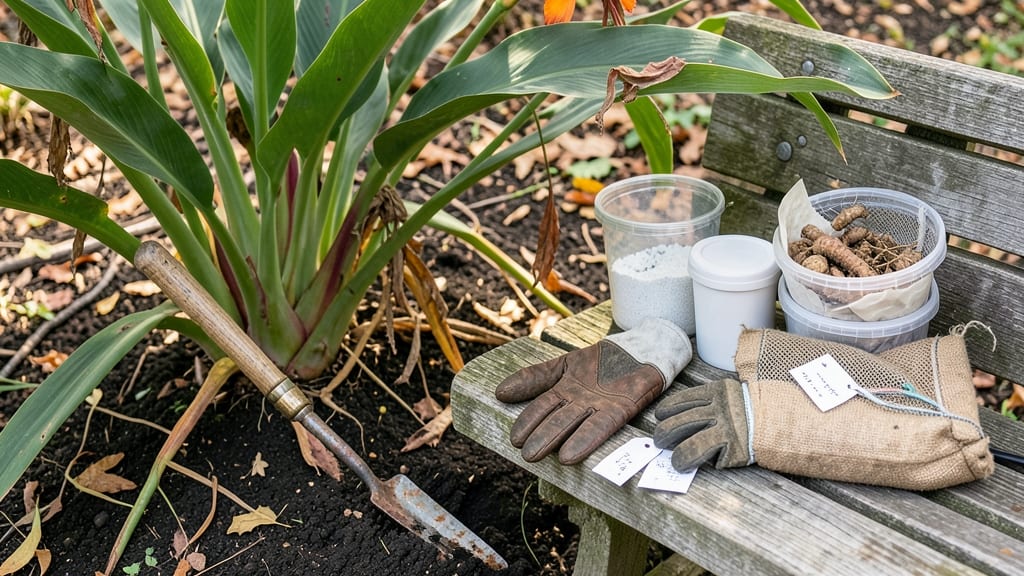
How to keep canna lilies over winter—your striking tropical plants don’t have to die when frost hits. ✨ These hardy beauties just need a little winter care to bounce back with even bigger blooms next summer. I’ve saved mine for five years using the same simple method—no green thumb required.
The key is timing and dry storage. After the first frost blackens the foliage, dig up the tubers when soil temps drop below 50°F.
Let them dry in a shady spot for a few days, then store them in a cool, dark place with 50-60% humidity—a cardboard box with peat moss works perfectly. This prevents rot and keeps them dormant until spring.
By March, you’ll see new shoots poking through the soil mix. Plant them back outdoors after all danger of frost has passed, and watch as they reward you with vibrant, dinner-plate-sized blooms by midsummer. The secret? Treating them like the hardy survivors they are.
Works in zones 5-10, though milder climates can try mulching instead. Just avoid the two biggest mistakes: storing tubers too wet (they’ll rot) or bringing them indoors too early (they’ll sprout prematurely). Let’s get those beauties through winter!
📚 In This Guide
- What you need
- Instructions
- Tips and common mistakes
- Wrapping up and next steps
What you need
- ● Canna lilies: Healthy tubers or rhizomes (dig them up before the first frost). Aim for at least 3-5 per pot for a fuller revival next season.
- ● Potting soil: Well-draining, peat-based mix (or add perlite/sand for aeration). 1 gallon per plant is ideal.
- ● Containers: Pots with drainage holes (6-8 inches in diameter for tubers). Terracotta or plastic both work—just avoid overwatering!
- ● Pruners or sharp knife: For trimming dead foliage (sterilize with rubbing alcohol first!).
- ● Mulch or straw: Light layer (1-2 inches) to insulate outdoor tubers if storing them outside.
- ● Label markers: To track varieties (trust us, you’ll forget which one is which!).
- ● Fungicide: Copper-based spray to prevent rot if tubers look damp or damaged.
- ● Grow lights: LED bulbs (12+ hours/day) if reviving indoors with low natural light.
- ● Thermometer/hygrometer: To monitor indoor temps (ideal: 50–60°F and 40–50% humidity).
- ● Epsom salt: 1 tbsp per gallon of water for a monthly nutrient boost during dormancy.
- ● Storage boxes: Plastic bins with ventilation holes for tubers (if not potted).
Step-by-step instructions for overwintering canna lilies indoors
Here's how to rescue your canna lilies and bring them back stronger than ever for next season's showstopping blooms.
🌱 Step 1: Harvest Tubers Before First Frost
Start by digging up your canna lilies 2-3 weeks before your area's first frost date. Use a garden fork to carefully lift the tubers, being gentle to avoid damaging the fleshy roots. Shake off excess soil to reveal the brown, knobby tubers—these are your winter survival stars.
Leave the tubers in a shady spot for 24 hours to dry slightly. This helps prevent rot during storage. I like to lay them out on a wire rack or old towel where they can air-dry without touching each other. If rain is forecast, move them under a covered porch or into a garage.
🪴 Step 2: Cure and Store Tubers in Ideal Conditions
Once dry, trim the stems back to about 1 inch above the tuber using clean, sharp scissors. This reduces moisture loss and prevents fungal growth. Store the tubers in a paper bag or cardboard box with a few inches of space between them—crowding causes rot.
Place the container in a cool, dark spot where temperatures stay between 45-55°F. A basement, garage, or unheated crawl space works perfectly. Check them monthly and remove any tubers that feel soft or mushy—these are rotting and will spread to others. Healthy tubers should feel firm and slightly papery.
☀️ Step 3: Wake Up Tubers in Early Spring
About 6-8 weeks before your last frost date, move the tubers to a brighter location where they'll receive indirect light for 8-10 hours daily. I place mine on a sunny windowsill or under a grow light. This gradual light exposure triggers them to break dormancy.
Wait until you see green shoots emerging from the tuber—this usually takes 2-4 weeks. Once sprouts reach 2-3 inches tall, it's time to plant. Don't rush this step—rushing causes weak growth and poor blooming. The key is patience; healthy tubers know when it's time to wake up.
💧 Step 4: Plant Revived Tubers in Warm Soil
Plant your canna lilies in well-draining soil after the last frost when soil temperatures reach 65°F or warmer. Dig a hole about 6 inches deep and place the tuber with the eyes (sprout ends) facing upward. Cover with 2-3 inches of soil, leaving the shoots exposed.
Water lightly immediately after planting to settle the soil, then water deeply once a week. Avoid overhead watering—the large leaves attract pests. Mulch around the base with 2-3 inches of organic mulch to retain moisture and warmth. In just 8-10 weeks, you'll see those bold, tropical blooms returning for another spectacular season.
Tips & tricks for overwintering canna lilies
Here's what nobody tells you about keeping your canna lilies thriving through winter—these are the secrets that'll make all the difference next season.
Timing is Everything: Those 2-3 weeks before frost give your tubers time to harden off naturally. If you harvest too early, they won't have fully stored energy for dormancy. I've learned this the hard way—waiting until just before the first frost ensures your tubers are ready for their winter nap.
Storage Wisdom: The 45-55°F temperature range is non-negotiable—any warmer and they'll start to sprout prematurely; any cooler and they risk damage. I keep mine in a cardboard box with a thermometer to monitor temps. Add a few crumpled newspaper scraps around the tubers to absorb any excess moisture that could cause rot.
Light Exposure Matters: When you're ready to wake them up in early spring, that 8-10 hours of indirect light is crucial. Direct sunlight can scorch the emerging shoots. I use a sheer curtain over my sunny windowsill to diffuse the light while still providing enough brightness to trigger growth.
Planting Preparation: Before you plant in Step 4, soak your tubers in warm water for 10 minutes to rehydrate them gently. This jumpstarts the planting process and helps them establish roots faster. Just don't soak them overnight—that can cause rot before they even hit the soil.
Pro Tips for Keep Canna Lilies Over Winter
- Here's what nobody tells you about keeping your canna lilies thriving through winter—these are the secrets that'll make all the difference next season.
- Timing is Everything: Those 2-3 weeks before frost give your tubers time to harden off naturally.
- Storage Wisdom: The 45-55°F temperature range is non-negotiable—any warmer and they'll start to sprout prematurely; any cooler and they risk damage.
Frequently asked questions
Got questions about wintering over your canna lilies? You’re not alone! Here are some of the most common concerns—and their solutions—to keep your tropical beauties thriving until spring.
Can I leave canna lilies in the ground over winter?
In mild climates (Zones 8-10), you can mulch heavily with straw or leaves (10+ inches) to insulate the rhizomes. In colder zones, dig them up—their tender roots won’t survive freezing temps. Pro tip: Cover with a thick layer of leaves or a frost blanket for extra protection if you’re on the fence!
How do I know when it’s time to dig up my cannas?
Wait until the first hard frost (when nighttime temps drop below 30°F/-1°C). The foliage will turn brown and die back—this signals it’s time to harvest. Don’t wait too long! Waiting until after a freeze can damage the rhizomes, making revival harder.
What’s the best spot to store canna rhizomes indoors?
Choose a cool, dark, and humid spot like a basement, garage, or even a paper bag tucked in a closet. Ideal temps: 40–50°F (4–10°C). Avoid refrigerators (too cold) or sunny windowsills (they’ll sprout prematurely). Humidity hack: Bury rhizomes in slightly damp peat moss or coco coir to prevent drying.
My canna leaves are still green—should I dig them up?
If the leaves stay green past the first frost, they’re still photosynthesizing. Wait until they’ve fully yellowed and died back (usually 2–3 weeks after frost). Digging too early can stress the plant. Warning: If a late frost hits, cover them with blankets or row fabric to protect tender growth.
What if my canna rhizomes rot or mold during storage?
Rot or mold usually means too much moisture or poor airflow. To fix it:
- Remove any mushy or slimy rhizomes—discard them.
- Rinse healthy ones in hydrogen peroxide (3%) to kill fungi.
- Redry them in a well-ventilated area (not direct sunlight) for 1–2 days before replanting.
Can I grow cannas in containers over winter?
Yes! If you pot them before frost, move them indoors to a bright, cool spot (like a sunroom). Keep the soil barely moist and trim dead foliage. In spring, fertilize lightly and acclimate them to outdoor temps gradually (1–2 weeks) to avoid shock. Bonus: Container cannas often bloom earlier in spring!
Wrapping up and next steps
With the right care, your canna lilies can thrive through winter and burst back to life come spring! 🌱 The key is preparation—digging at the right time, storing tubers properly, and monitoring moisture levels. A little effort now means stunning blooms next season.
Ready to give your cannas a fighting chance? Start by gathering supplies and following the steps above—your future garden will thank you! For extra peace of mind, check out our FAQs or tag us in your winter prep photos. Happy growing! 🌸