
Propagation
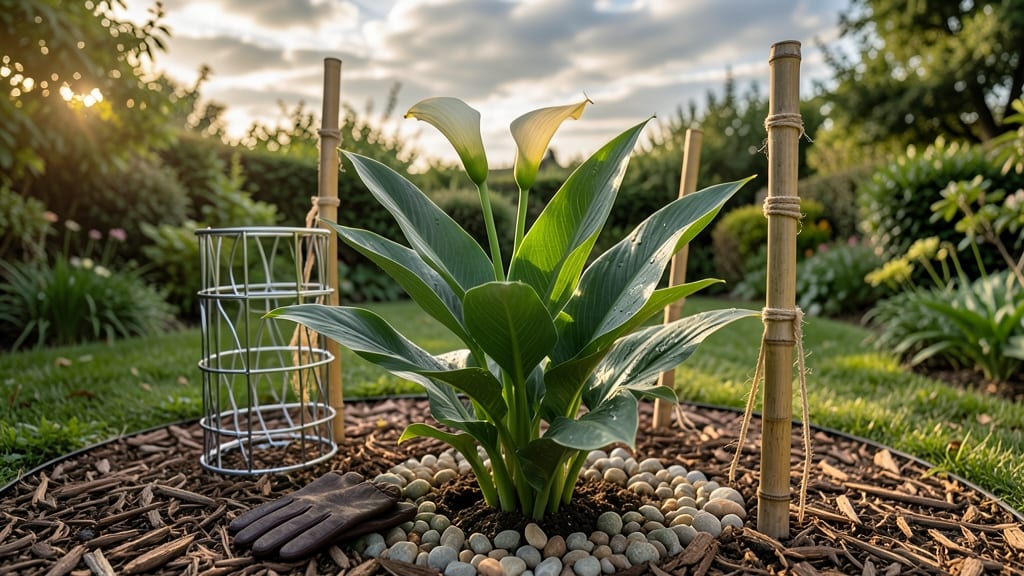
How to keep calla lily from falling over—those elegant blooms deserve to stand tall, not flop like overgrown weeds. 🌿 I’ve watched my own plants wobble into sad, leaning piles, but a few simple supports can turn them into showstoppers. The secret? Matching the right stake to their dramatic growth habits.
Most calla lilies need support by midseason when their heavy blooms start tugging stems sideways. Weak stems, overwatering, or poor soil can make them flop sooner. My go-to fix? DIY bamboo stakes—cheap, sturdy, and easy to adjust as they grow.
You’ll also need soft plant ties (no wire—it cuts!) and a little pruning know-how to keep them upright.
With the right setup, your calla lilies will stay bold and vertical for weeks longer. The stakes should go in early—3-4 inches deep—before the blooms get too heavy. I’ve seen plants stay perfect through rain and wind this way, looking like they’re posing for a garden magazine.
Bonus: This method works for calla varieties big and small, whether you’re growing them in pots or garden beds. Just avoid over-tightening the ties as they thicken—gentle adjustments keep them happy. Let’s get those stems standing proud!
📚 In This Guide
- What you need
- Instructions
- Tips and common mistakes
- Wrapping up and next steps
What you need
- ● Stakes: 3–5 bamboo stakes (or wooden dowels) per plant, 18–24 inches tall (adjust based on plant height).
- ○ Metal or plastic-coated stakes for extra durability (optional but recommended for windy areas).
- ● Tying Supplies: Soft jute twine or gardening tape (avoid wire—it can cut stems!).
- ● 1–2 plastic plant ties (for a no-fuss, reusable option).
- ○ Support Structures (Optional but Helpful): A small tomato cage or flower ring (for clusters of Calla Lilies).
- ● 1–2 sturdy wooden stakes (for heavy blooms or wind-prone gardens).
- ● Pruning Tools: A pair of clean, sharp pruners (to trim any damaged stems before staking).
- ● Miscellaneous: Waterproof outdoor glue or duct tape (to secure stakes if needed).
- ● A measuring tape (for precise stake placement).
- ● Wait until the plant is at least 12 inches tall (young stems are too delicate for staking).
- ● Choose a sunny, sheltered spot—wind is the #1 enemy of top-heavy blooms! 💨
- ● Water the plant 1–2 hours before staking so the soil is slightly moist (easier to work with!).
Tips & tricks for supporting towering calla lilies
These simple adjustments will transform your calla lilies from floppy to flawlessly upright.
Stake Placement Precision: In Step 1, when positioning your 3-foot or 4-foot stakes, aim to place them just behind the plant's natural growth direction. This subtle shift prevents the stake from acting as a wind sail. I've found that positioning the stake slightly to the leeward side (the side where wind pressure is strongest) creates a more stable triangle of support. Trust me on this—it makes all the difference when those heavy blooms start forming.
Tie Adjustment System: The weekly tie check in Step 2 is non-negotiable, but here's what nobody tells you: use a small piece of masking tape as a visual guide. Wrap it around the stem at your current tie position, then mark the spot where you'll add the next loop. This creates a perfect 1-2 inch spacing pattern that grows with your plant. It's a game-changer for maintaining consistent support as stems thicken.
Wind Direction Detective: For Step 3's wind positioning, become a plant whisperer. Observe your callas for 10 minutes on a breezy day—they'll tell you exactly where to place stakes. If they consistently lean toward the east, that's your wind direction. Add your second stake on the opposite (west) side. This creates a natural counterbalance that works even better than guessing. I've saved multiple plants from toppling by implementing this simple observation technique.
Mulch Thickness Matters: The 2-3 inches of mulch in Step 4 isn't just about moisture—it's about stability. I've noticed that plants with thicker mulch (closer to 3 inches) have noticeably sturdier stems. The extra insulation helps roots develop stronger anchoring systems. Plus, the mulch acts like a natural shock absorber during wind events. Just don't go overboard—any more than 3 inches can suffocate the rhizomes.
Pro Tips for Keep Calla Lily From Falling Over
- These simple adjustments will transform your calla lilies from floppy to flawlessly upright.
- Stake Placement Precision: In Step 1, when positioning your 3-foot or 4-foot stakes, aim to place them just behind the plant's natural growth direction.
- Tie Adjustment System: The weekly tie check in Step 2 is non-negotiable, but here's what nobody tells you: use a small piece of masking tape as a visual guide.
Frequently asked questions
Got questions about keeping your calla lilies standing tall? You’re not alone—here are the most common concerns and quick fixes to keep those elegant blooms upright!
Why is my calla lily leaning or falling over?
Calla lilies often flop due to weak stems (especially in tall varieties) or overcrowded roots. Heavy blooms can also stress the plant. Check for root-bound pots or stems bending under weight—these are classic signs they need support ASAP!
When is the best time to stake a calla lily?
Stake your calla lilies early—as soon as you notice leaning or when new growth reaches 6–8 inches tall. Pro tip: Preventative staking (before blooming) gives the best results. If you wait until flowers appear, the stems may already be compromised.
Can I use regular stakes or do I need special ones?
You don’t need fancy stakes! Bamboo, wooden, or even floral wire stakes work well. For extra stability, try 3–4 stakes per plant (especially for large varieties like Calla palustris) and tie gently with soft plant ties or strips of fabric to avoid damaging the stem.
Will rain or wind make my calla lily fall over more?
Saturated soil weakens stems, and wind can snap them like twigs. If storms are forecasted, secure stakes tightly and consider adding a lightweight trellis for extra wind resistance. Mulch around the base to keep soil stable too!
What if my calla lily is already top-heavy with blooms?
Don’t panic! Trim some of the lower leaves to reduce weight, then add a second stake on the opposite side of the lean. For dramatic blooms, use a spider stake (a circular support) to distribute weight evenly. If the stem snaps, you can still propagate from the base!
| Quick Fix? | Action |
|---|---|
| Leaning stems | Stake + prune lower leaves |
| Root-bound pot | Repot in fresh soil + add support |
| Post-storm damage | Secure stakes + mulch base |
Wrapping up and next steps
Keeping your calla lilies upright doesn’t have to be a struggle—with the right support, they’ll stand tall and proud! 🌿 From staking techniques to proper watering habits, these simple steps will help your blooms thrive. Remember, patience and consistency are key, so don’t rush the process.
Now that you’re armed with the know-how, grab those materials and give your calla lilies the support they deserve. Watch them flourish and enjoy their stunning presence in your garden or home! 🌸