
Propagation
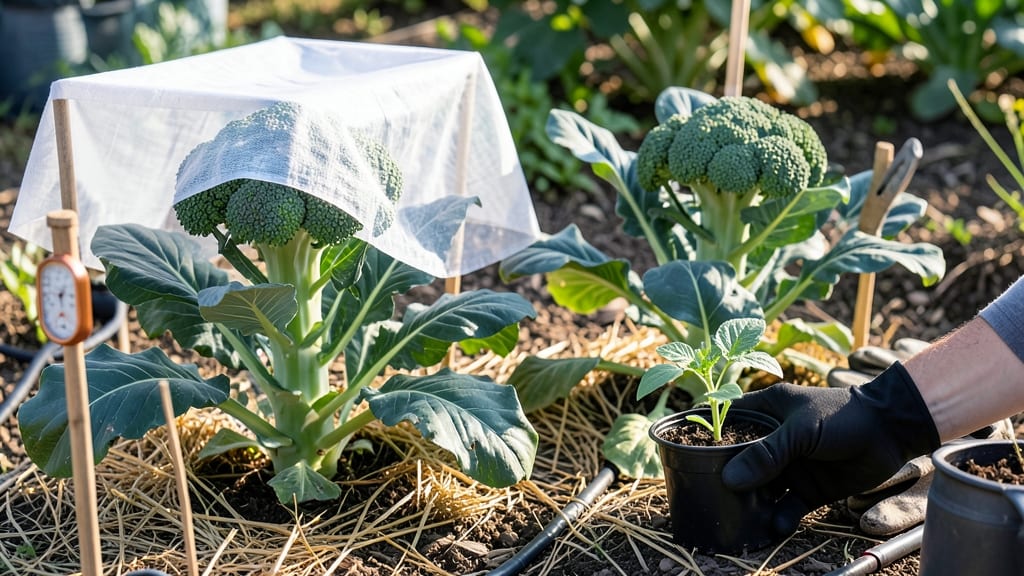
How to keep broccoli from bolting was my first garden’s biggest lesson—by July, every stalk in my plot had shot up like a rocket, leaving me with bitter stems and no harvest. 🌱 The heat sent those stalks skyward faster than I could blink, leaving me with bitter stems and no harvest. But I’ve since learned the cool-season secrets that keep broccoli producing for weeks longer than you’d expect, even in warm climates.
The key is outsmarting nature’s timing: proper spacing (18-24 inches apart) prevents overcrowding stress, consistent moisture (1-1.5 inches per week) keeps roots cool, and shade cloth (30-50%) buys you critical heat protection. Choose slow-bolting varieties like ‘Waltham 29’ or ‘De Cicco’—they’re built to resist the urge to flower early.
When you see the first flower stalk peek through, act fast: cut it off at the base, and the plant often sends out new side shoots. Even bolting plants can give you 2-3 more harvests if you prune aggressively.
The real magic happens in fall plantings—broccoli thrives when nights dip below 60°F, and you’ll get tender heads before winter sets in.
This isn’t just about saving a few heads—it’s about turning bolting from a disaster into a manageable challenge. With these tricks, I’ve gone from zero harvests to pounds of broccoli by following a simple rhythm: plant early, watch the weather, and stay one step ahead of the heat.
Let’s make your garden the exception, not the rule.
📚 In This Guide
- What you need
- Instructions
- Tips and common mistakes
- Wrapping up and next steps
What you need
- ● Broccoli seeds or seedlings: Choose cool-season varieties like ‘Calabrese,’ ‘De Cicco,’ or ‘Waltham 29.’ Start with 3–5 plants (or seeds spaced 18–24 inches apart) for a small harvest.
- ● Well-draining potting mix or garden soil: Aim for 10–12 inches deep in containers or loose, fertile soil in the ground. Mix in 1–2 inches of compost for nutrients.
- ● Organic fertilizer: A balanced 10-10-10 or 5-5-5 (low-nitrogen) formula. Use 1–2 tablespoons per plant at planting and mid-season.
- ● Shade cloth (30–50% coverage): 4–6 feet wide, enough to cover plants during heatwaves. Secure with stakes or a frame.
- ● Drip irrigation or soaker hose: Ensures 1–1.5 inches of water per week (adjust for rain). Avoid overhead watering to prevent fungal issues.
- ● Mulch (straw or shredded leaves): Spread a 2–3 inch layer around plants to retain moisture and regulate soil temp.
- ● Pruning shears or scissors: For trimming bolts or harvesting side shoots.
- ○ Thermometer (optional but helpful): To monitor soil temps—ideal range is 60–70°F.
- ● Row covers or cold frames: Extend the growing season in early spring or fall.
- ● Epsom salt (magnesium sulfate): Dissolve 1 tablespoon in 1 gallon of water monthly for healthier foliage.
- ● Succession planting seeds: For staggered harvests, plant new seeds every 2–3 weeks in cool months.
- ● Plant markers: Label varieties to track growth and bolting risks.
Step-by-step instructions for preventing broccoli bolting
Broccoli bolting is a grower’s nightmare—but these cool-season strategies keep your plants focused on producing heads instead of flowers.
🌱 Step 1: Select the Right Varieties for Your Climate
Start with bolt-resistant varieties like 'Waltham 29' or 'De Cicco'—they’re bred to handle warmer temperatures better than standard types. If you’re in a hotter region, look for heat-tolerant hybrids labeled "slow to bolt." I always check seed packets for days-to-maturity ratings; varieties that mature in 50-60 days tend to bolt less in summer heat.
Here’s the thing—cool-season broccoli (like 'Calabrese') thrives when daytime temps stay below 75°F. If your spring or fall seasons creep into the 80s, plant these varieties instead: 'Belstar', 'Green Magic', or 'Packman'. They’re bred to delay bolting by up to 2 weeks compared to standard types.
☀️ Step 2: Time Plantings for Optimal Temperature Windows
Broccoli bolts when exposed to consistent temperatures above 75°F for more than a few days. Your best bet is to plant in early spring (4-6 weeks before last frost) or late summer (8-10 weeks before first frost). I use a frost calendar to pinpoint exact dates—broccoli needs cool soil to germinate well, so avoid planting when soil temps exceed 80°F.
For summer plantings, use shade cloth (30-50%) to lower canopy temperatures by 10-15°F. You’ll see healthier, slower-growing plants that resist bolting. If you’re in Zone 9 or warmer, consider winter plantings—broccoli grows beautifully in 50-65°F ranges, and the cooler nights prevent premature flowering.
💧 Step 3: Manage Water and Soil Moisture Consistently
Bolting often starts when plants experience drought stress followed by sudden watering. Keep soil evenly moist—never let it dry out completely, but avoid soggy conditions too. I water broccoli deeply every 2-3 days during dry spells, aiming for 1 inch of water per week. Use a soil moisture meter to check; the top 2 inches should feel damp but not wet.
Mulch heavily with 2-3 inches of straw or shredded leaves to retain moisture and keep roots cool. This is especially critical in late spring or early fall when temps fluctuate. I’ve seen broccoli bolt within 3 days of a dry spell if roots get stressed—don’t skip this step.
✂️ Step 4: Harvest Side Shoots Promptly
Once your main broccoli head forms, cut it just above the largest side shoot to encourage secondary production. This keeps the plant focused on growth instead of bolting. I harvest side shoots every 5-7 days—smaller, frequent harvests prevent the plant from diverting energy to flowering.
Watch for yellowing lower leaves—this is your signal to harvest the main head within 24 hours. If you wait, the plant will start sending up a flower stalk (bolting). For side shoots, wait until they’re 3-4 inches wide before cutting; this ensures the plant has enough energy to produce more.
🌿 Step 5: Use Succession Planting and Crop Rotation
Bolting is less likely if you rotate crops annually. Avoid planting broccoli in the same spot two years in a row—soil-borne diseases and depleted nutrients stress plants, making them more prone to bolting. I rotate my brassicas with beans, tomatoes, or onions to break pest/disease cycles.
For continuous harvests, succession plant every 2 weeks in spring and every 3 weeks in fall. This ensures you always have young, vigorous plants that bolt less. In hot climates, try container growing—pots heat up faster than garden beds, so move containers to shade during 10 AM-4 PM when temps exceed 80°F.
Tips & tricks for preventing broccoli bolting
These battle-tested strategies will help you extend your harvest season and keep your broccoli focused on producing heads instead of flowers.
Variety Selection Insight: When choosing bolt-resistant varieties like 'Waltham 29' or 'Belstar', pay attention to the days-to-maturity rating on seed packets. The 50-60 day range is ideal because these varieties complete their growth cycle before summer heat triggers bolting. For hotter climates, look for hybrids labeled "slow to bolt"—these can delay flowering by up to 2 weeks compared to standard varieties, giving you that extra harvest window.
Temperature Management: The 75°F threshold is critical—broccoli plants will bolt when exposed to consistent temperatures above this for more than a few days. In summer plantings, use 30-50% shade cloth to lower canopy temperatures by 10-15°F. This creates a cooler microclimate that mimics the ideal 50-65°F range for winter plantings. I've found that moving containers to shade during 10 AM-4 PM when temps exceed 80°F can make all the difference in preventing premature flowering.
Watering Precision: The key to preventing bolting through water management is consistency. When watering deeply every 2-3 days during dry spells, aim for 1 inch of water per week—this prevents drought stress that triggers bolting. Use a soil moisture meter to check the top 2 inches of soil; it should feel damp but not wet. I've seen plants bolt within 3 days of inconsistent watering, so this step can't be overlooked. Mulching with 2-3 inches of straw helps maintain even moisture and keeps roots cool during temperature fluctuations.
Harvest Timing: The 24-hour window after noticing yellowing lower leaves is crucial for preventing bolting. This is your plant's final signal before it diverts energy to flowering. For side shoots, wait until they reach 3-4 inches wide before harvesting—this ensures the plant has enough energy to produce more heads. I harvest side shoots every 5-7 days to maintain continuous production, which keeps the plant focused on growth rather than bolting.
Pro Tips for Keep Broccoli From Bolting
- These battle-tested strategies will help you extend your harvest season and keep your broccoli focused on producing heads instead of flowers.
- Variety Selection Insight: When choosing bolt-resistant varieties like 'Waltham 29' or 'Belstar', pay attention to the days-to-maturity rating on seed packets.
- Temperature Management: The 75°F threshold is critical—broccoli plants will bolt when exposed to consistent temperatures above this for more than a few days.
Frequently asked questions
Why does broccoli bolt even if I follow all the tips?
Bolting is often triggered by heat, stress, or maturity. Even with perfect care, older plants (60+ days) may bolt. For a second crop, try fast-maturing varieties like ‘Calabrese’ or ‘De Cicco’, which bolt slower. If your garden is hot, opt for shade cloth or succession planting every 2–3 weeks.
How soon after planting should I expect bolting risks?
Broccoli typically starts bolting when days get longer than 14 hours (late spring/early summer) or temps hit 75°F+ consistently. For fall crops, plant 8–10 weeks before first frost—this gives heads time to form before winter chills trigger bolting. Use a local frost chart to time it right!
Can I save a broccoli plant that’s already bolting?
If the plant has flower stalks but no seed pods yet, you can harvest the side shoots (tiny broccoli-like buds) for a few more weeks. Once seeds form, the plant is done. For future crops, try shade cloth (30–50%) or row covers to delay heat stress. Bonus: Let one bolted plant go to seed—its flowers attract pollinators!
Are there broccoli varieties less prone to bolting?
Yes! Look for heat-tolerant or slow-bolting varieties like:
- ‘Waltham 29’ (cold-hardy, slow to bolt)
- ‘Belstar’ (disease-resistant, extends harvest)
- ‘Green Goliath’ (large heads, bolts later)
What’s the best alternative if broccoli keeps bolting in my climate?
If your summers are too hot for broccoli, swap it for:
- Kale or collards (heat-tolerant greens)
- Swiss chard (bolts later, thrives in heat)
- Cauliflower varieties like ‘Snowball Y Improved’ (some handle heat better)
Wrapping up and next steps
Keeping broccoli from bolting is all about timing, temperature, and care—but don’t let these tricks intimidate you! With the right cool-season strategies and a little patience, you can enjoy a bountiful harvest for weeks.
Start by choosing the right variety, monitor your plants closely, and adjust your growing conditions as needed. 🌱
Now that you’re armed with these proven tips, why not put them into action? Try growing broccoli this season and experiment with a few methods to see what works best for your climate. Happy gardening—and here’s to more crisp, flavorful broccoli on your plate! 🥦✨