
Pests
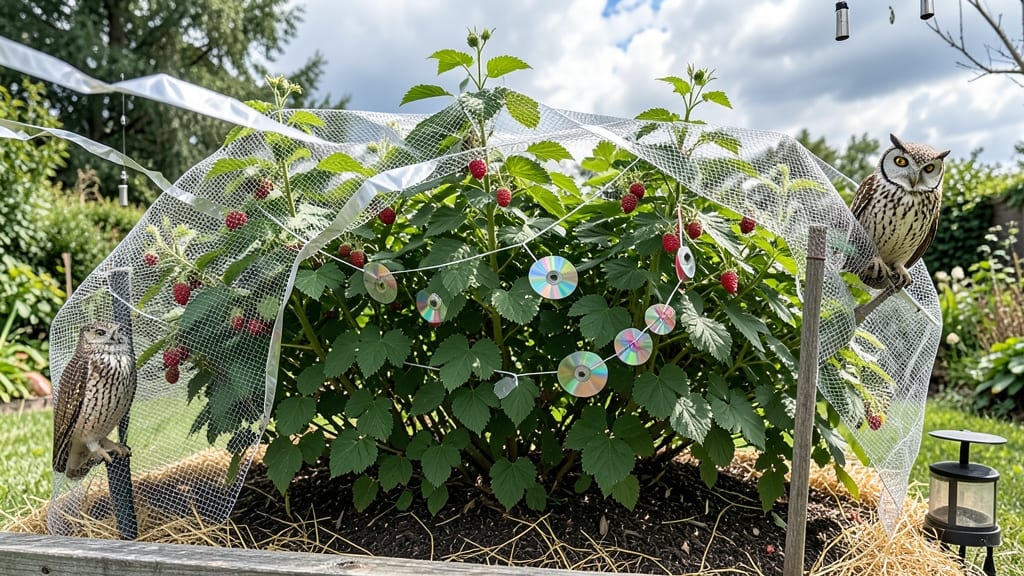
How to keep birds away from plants without harming them? 🌱 I’ve lost count of the times I’ve watched sparrows strip my tomatoes and finches peck my seedlings down to nubs—until I discovered this humane deterrent blend that actually works. The key is combining visual distractions (shiny tape, predator decoys), natural repellents (lavender, rosemary), and physical barriers (lightweight netting) without harming a feather. No more sad, half-eaten zucchini or droppings that turn your soil into bird compost. By the end of this, you’ll have a multi-layered defense that keeps birds away while keeping your garden thriving. The best part? It’s cheap, easy to set up, and works for everything from seedling trays to full-size vegetable beds. Works for sparrows, finches, woodpeckers, and even persistent grackles—no more guessing what’s scaring them away. Let’s get your plants back from the pecking mob!
📚 In This Guide
- What you need
- Instructions
- Tips and common mistakes
- Wrapping up and next steps
What you need
- ● Spray Bottles (2-3) – 16 oz (473 mL) with fine mist nozzles (for even application).
- ● Distilled Water (1 gallon / 3.8 L) – Ensures clarity and prevents mineral buildup.
- ● White Vinegar (1 cup / 240 mL) – Acts as a natural repellent and cleanser.
- ● Cayenne Pepper (1-2 tsp / 5-10 g) – Adds a mild spiciness birds dislike (adjust for sensitivity).
- ● Garlic Powder (1 tsp / 3 g) – Strong scent deters birds naturally.
- ● Dish Soap (1 tsp / 3 mL) – Helps the blend stick to leaves (use mild, plant-safe soap).
- ○ Optional Add-Ins (Pick 1-2): Citrus Peel (dried, 1 tbsp / 5 g) – Adds a tangy scent.
- ● Crushed Red Pepper Flakes (½ tsp / 1 g) – Extra heat for stubborn birds.
- ● Essential Oils (5-10 drops): Peppermint, Eucalyptus, or Citronella – Birds hate these!
- ● Spray Attachment (for larger plants/gardens) – Extends reach up to 3 ft (90 cm).
- ● Gloves (1 pair) – Protects hands from vinegar/pepper residue.
- ● Fine-Mesh Strainer – Filters out garlic powder/cayenne if blending.
Step-by-Step instructions for creating a humane bird deterrent system
Here’s the method I’ve used across seasons—no harm to birds, just effective protection.
🪴 Step 1: Assess Your Garden’s High-Risk Zones
Start by identifying where birds cause the most damage. Focus on areas with tender new growth, ripe fruit, or freshly planted seeds—these are their targets. I mark these spots with small flags or stakes so I can track effectiveness later. Observe for 3-5 days to pinpoint peak feeding times (usually dawn and dusk).
Note the types of birds you’re dealing with. Sparrows and finches prefer open areas, while robins and starlings target soft fruits. Tailor your deterrents to their habits—this makes all the difference. For example, if you see birds perching on fences, that’s where you’ll need to concentrate efforts.
🌿 Step 2: Install Physical Barriers Where Needed
Use fine netting (¼-inch mesh) to cover vulnerable plants like berries or seedling trays. Secure it tightly with zip ties or clips—birds are clever and will find gaps. For raised beds, drape netting loosely over the top and weigh down the edges with rocks or stakes. This creates a barrier without trapping birds inside.
For larger plants, consider reflective tape or old CDs strung between stakes. The flashing light scares birds without harming them. Hang these 3-4 feet above ground level where birds typically perch. I’ve found that moving the tape every few days keeps birds from getting used to it.
☀️ Step 3: Set Up Visual and Auditory Deterrents
Place predator decoys—like owls or hawks—near problem areas. Move them every 2-3 days so birds don’t realize they’re fake. Pair these with wind chimes or aluminum pie pans hung from branches. The noise startles birds without causing lasting stress. Position these deterrents within 10 feet of high-traffic zones.
For persistent birds, try motion-activated sprinklers (set to 5-10 second bursts). These work best in open areas where birds can’t easily avoid the spray. Test the range first—you want coverage that surprises birds but doesn’t drench your plants. I’ve seen finches scatter instantly when the water hits, and they avoid the area for days.
✂️ Step 4: Use Natural Repellents Strategically
Apply hot pepper spray (mix 1 tablespoon cayenne pepper + 1 quart water) to leaves and stems of targeted plants. Reapply every 5-7 days or after rain. Birds avoid the capsaicin without harm, but it won’t affect beneficial insects like bees. Focus on new growth and fruit clusters—these are the most tempting spots.
For ground-level issues, sprinkle coarse sand or diatomaceous earth around seedlings. The gritty texture deters birds from pecking. Refresh after watering, as it washes away easily. This works best in small, contained areas like herb gardens or strawberry beds where you can monitor coverage.
⏰ Step 5: Monitor and Adjust Your Approach
Check your deterrents daily for the first week, then 2-3 times weekly afterward. Note which methods work best—some birds adapt faster than others. If you notice birds returning to a specific spot, reinforce that area with multiple deterrents (e.g., netting + reflective tape). Keep a simple log to track patterns.
Rotate tactics seasonally. For example, bird netting is critical during berry season, while pepper spray works better when new leaves emerge. If birds shift to a new favorite spot, move your deterrents accordingly. Consistency is key—birds learn routines, so stay one step ahead by adjusting as their behavior changes.
Tips & tricks for effective plant protection
Real talk: Birds are clever little strategists—they’ll test your defenses until they find a weakness. Here’s how to outsmart them while keeping your garden thriving.
Visual Placement Matters: When setting up reflective deterrents in Step 3, position them at 3-4 feet high—this is where birds naturally scan for threats. I’ve found that hanging old CDs at slightly different angles creates more unpredictable flashes. For maximum effect, rotate their positions every 3-5 days so birds don’t adapt. The key is to mimic natural predator movement patterns rather than just static reflections.
Barrier Installation Technique: In Step 2, when using fine mesh netting, create a loose but secure fit—think "breathable blanket" rather than tight wrap. Birds can still peck through if the netting sags, but they’ll avoid areas where they feel trapped. For delicate seedlings, I like to use plastic plant collars around stems as an extra layer. This prevents birds from targeting specific plants while still allowing air circulation.
Repellent Application Strategy: For natural repellents in Step 4, focus on high-traffic areas where you’ve observed bird activity. The dish soap in your spray helps it cling to leaves, but don’t oversaturate—just enough to create a mild barrier. I’ve had the best luck with a 1:1:1 ratio of water, dish soap, and either hot pepper flakes or garlic. The scent lingers longer than you’d expect, and birds avoid it instinctively.
Adaptation Watch: In Step 5, when monitoring effectiveness, pay attention to behavioral changes rather than just physical damage. If birds start pecking at different times of day or from new directions, it’s your cue to adjust. I keep a small notebook near my garden to track patterns—sometimes a simple shift in wind direction changes where birds focus their attacks.
Pro Tips for Keep Birds Away From Plants
- Real talk: Birds are clever little strategists—they’ll test your defenses until they find a weakness.
- Visual Placement Matters: When setting up reflective deterrents in Step 3, position them at 3-4 feet high—this is where birds naturally scan for threats.
- Barrier Installation Technique: In Step 2, when using fine mesh netting, create a loose but secure fit—think "breathable blanket" rather than tight wrap.
Frequently asked questions
Got questions about keeping birds away from your plants? You’re not alone! Here are some common concerns and straightforward answers to help you protect your garden without harming feathered friends.
What’s the best time of year to apply bird deterrents?
Apply deterrents before birds become a problem—typically in early spring when they start nesting or late summer when they’re drawn to ripe fruit. Reapply after heavy rain or every 4–6 weeks for consistent protection. Timing is key to avoiding damage before it starts!
Are these methods safe for pets or children?
Most natural deterrents like spicy pepper blends, reflective tape, or wind chimes are pet- and kid-friendly, but always check labels. Avoid toxic chemicals or physical barriers (like netting) that could pose risks. When in doubt, opt for visual or auditory solutions!
Will birds eventually ignore the deterrents?
Birds may adapt over time, but rotating methods—like swapping pepper sprays for decoy predators or noise-makers—keeps them guessing. Combine multiple deterrents (e.g., taste + sound + visual) for long-term success. Consistency is your best friend!
Can I use these deterrents on edible plants?
Yes! Natural sprays (like cayenne pepper or garlic-based mixes) are safe for veggies and herbs once fully rinsed off. Always test a small area first, and avoid commercial pesticides. For extra peace of mind, grow bird-resistant plants (e.g., marigolds, basil) near vulnerable crops.
What if birds keep coming back after I’ve tried everything?
Assess the root cause: Are they drawn to food, water, or nesting spots? Try blocking access (e.g., netting over fruit trees) or removing attractants (like standing water or fallen fruit). If all else fails, professional pest control or a local wildlife expert can offer tailored solutions.
Pro tip: Monitor bird activity daily—early intervention saves your plants (and your sanity)!
Wrapping up and next steps
Keeping birds away from your plants doesn’t have to be a battle—just a strategic blend of safe, effective deterrents!
From DIY sprays to natural repellents, you’ve got plenty of options to protect your garden without harming feathered friends. Start small, test what works, and soon your plants will thrive in peace.
Ready to take action? Pick one method today—whether it’s setting up reflective tape, spraying a citrus blend, or planting bird-repelling herbs—and watch your garden flourish! 🌱