
Size
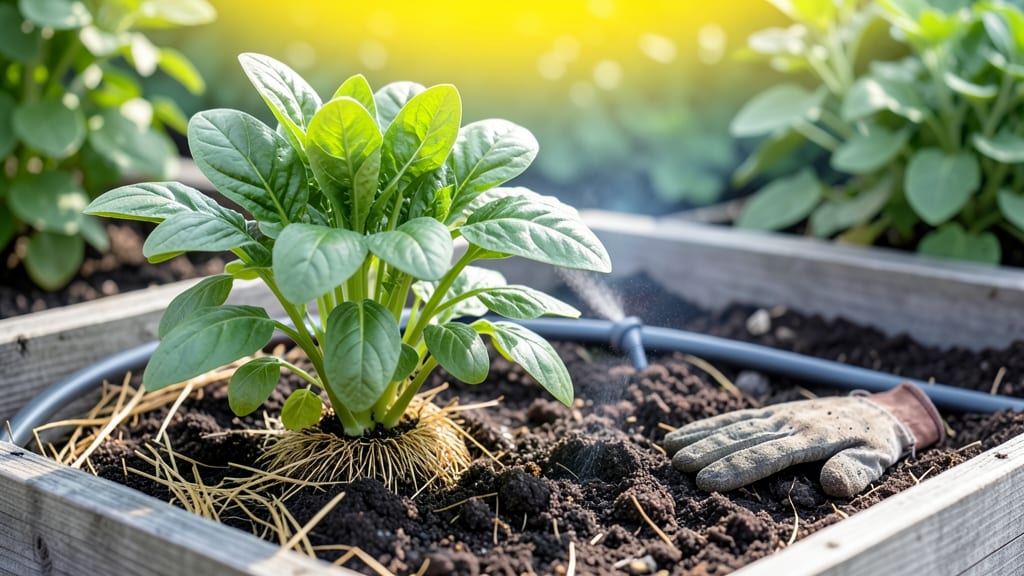
Spinach that shoots up in under 10 days isn’t magic—it’s science. 🌱 I’ve grown spinach for years, and how to help spinach grow faster lies in soil prep, timing, and a few simple tricks that turn slow starters into fast-growing powerhouses.
Most people overlook how soil temperature and moisture work together to speed up germination, but once you get it right, you’ll have baby leaves ready in weeks instead of months.
The key is warm, moist soil—not cold, not dry. Spinach seeds need soil between 60-75°F to sprout quickly, and keeping it damp (like a wrung-out sponge) helps them push through faster.
Too dry? They’ll wait. Too cold? They’ll rot. Add a thin layer of compost or aged manure before planting to give them the nutrients they crave from day one.
By following these steps, you’ll see bright green seedlings in under two weeks, not the three or four weeks most gardeners expect. The first harvest comes sooner, and the plants keep producing for 6-8 weeks if you keep them happy.
No more waiting months for a few sad leaves—just a steady supply of tender greens.
This works for both spring and fall planting, even in cooler climates. The same principles apply whether you’re growing in a raised bed, containers, or straight in the ground. Let’s get those seeds sprouting!
📚 In This Guide
- What you need
- Instructions
- Tips and common mistakes
- Wrapping up and next steps
What you need
- ● Spinach seeds: Choose fast-maturing varieties like 'Baby’s Leaf Hybrid' or 'Bloomsdale Long Standing' (about ½ teaspoon per 10 sq. ft.).
- ● Well-draining potting soil: A high-quality organic mix (e.g., Miracle-Gro Organic Potting Soil) or garden soil amended with compost (1 part compost to 3 parts soil).
- ● Containers or garden bed: Containers: 6-12 inch deep pots (with drainage holes) or raised beds (minimum 12 inches deep).
- ● Garden beds: Full sun to partial shade (4-6 hours of sunlight daily).
- ● Watering can or hose: With a gentle spray nozzle for even moisture.
- ○ Fertilizer (optional but helpful): Balanced organic fertilizer (e.g., 10-10-10) or compost tea for a nutrient boost.
- ● Slow-release fertilizer granules (follow package rates).
- ● Gloves: To protect hands from soil and thorns (spinach can be prickly!).
- ● Trowel or small shovel: For planting and soil prep.
- ○ Row cover or shade cloth (optional): 30-50% shade fabric to protect seedlings from intense sun or pests.
- ○ Mulch (optional): Straw or shredded leaves to retain moisture and suppress weeds.
- ○ pH test kit (optional): To ensure soil pH is between 6.5–7.0 (spinach prefers slightly acidic to neutral soil).
Step-by-Step instructions for growing fast, healthy spinach
Spinach loves cool weather and thrives with these simple soil secrets for quick germination and lush growth.
🌱 Step 1: Prepare Soil for Fast Germination
Spinach seeds germinate best in loose, nutrient-rich soil that holds moisture without becoming waterlogged. Work in a 2-3 inch layer of compost into the top 6 inches of soil—this boosts fertility and improves drainage. I like to mix in a handful of aged manure or worm castings for extra nutrients that spinach craves.
Break up any clumps with a garden fork until the soil feels light and crumbly. Spinach roots are shallow, so avoid deep tilling that could bury seeds too deep. Test the soil moisture by squeezing a handful—it should hold together but not drip water. If it's too dry, water deeply before planting.
💧 Step 2: Plant Seeds Correctly for Quick Sprouts
Scatter seeds ½ inch deep and 1 inch apart—they’re tiny, so I use a seed spreader or sprinkle them gently by hand. Press lightly with your fingers to ensure good seed-to-soil contact, which helps moisture reach the seeds faster. Overcrowding leads to weak seedlings, so thin later if needed.
Cover the seeds with a thin layer of fine soil or compost, just enough to shield them from light. Water gently with a fine-mist spray nozzle until the soil surface looks evenly moist. Avoid heavy watering that could wash seeds away or bury them too deep. Germination happens fastest in soil temperatures between 50-65°F—cooler than many gardeners expect.
☀️ Step 3: Provide Ideal Light and Moisture
Spinach thrives in partial shade, especially in hot climates where direct sun causes bolting (premature flowering). Give them 4-6 hours of morning sun and afternoon shade, or grow them under 30-50% shade cloth if temps rise above 75°F. You’ll see the first true leaves emerge in 5-10 days—this is your cue that germination is working.
Keep the soil consistently moist but never soggy. Water 1-2 inches deep every 2-3 days, adjusting for rain. Let the top inch of soil dry slightly between waterings—spinach wilt signals thirst, but they recover quickly once watered. Mulch with straw or grass clippings to retain moisture and suppress weeds.
🌿 Step 4: Thin and Fertilize for Lush Growth
When seedlings reach 2 inches tall, thin them to 3-4 inches apart to prevent competition. Use scissors to snip unwanted plants at soil level—this avoids disturbing roots of nearby seedlings. I harvest the thinned seedlings as baby greens for salads, so nothing goes to waste.
Feed spinach with a balanced liquid fertilizer (10-10-10) every 3-4 weeks to encourage leafy growth. Avoid high-nitrogen fertilizers late in the season, as they promote leaf growth at the expense of flavor. Side-dress with compost tea monthly for a gentle nutrient boost. Spinach grows best in cool weather, so succession plant every 2-3 weeks for continuous harvests.
✂️ Step 5: Harvest Strategically for Continuous Yields
Harvest outer leaves when they reach 4-6 inches long, leaving the inner leaves to keep growing. Use clean scissors or fingers to pick leaves at the base—this encourages bushier growth. Regular harvesting prevents bolting and ensures tender, flavorful leaves. I harvest in the morning after dew dries, when leaves are crispest.
Spinach bolts (goes to seed) when days lengthen in spring. To delay bolting, plant shade-tolerant varieties like 'Bloomsdale Long Standing' or 'Tyee' in late summer for fall harvests. With these care steps, you’ll enjoy fast, abundant spinach in just 3-4 weeks—no waiting required!
Tips & tricks for growing fast, healthy spinach
Common pitfalls—and how to sidestep every one—when growing spinach that’s ready in record time.
Soil Temperature Matters: Spinach seeds need soil at 60-70°F to germinate quickly. If your garden soil is cooler, create a warm bed by covering it with black plastic for 24 hours before planting. I’ve seen germination times drop from 14 days to 5-7 days just by warming the soil this way. Use a soil thermometer to check—it’s worth the small investment for faster results.
Precision Planting Technique: When planting seeds ½ inch deep in Step 2, use a ruler to ensure consistent depth. I press seeds into the soil with my fingernail instead of a spoon to avoid crushing them. For large batches, a seed tape (where seeds are pre-spaced on tape) can save time and ensure even spacing. This prevents the uneven sprouting that leads to patchy growth.
Shade Strategy for Speed: The 3-4 hours of morning sun in Step 3 is crucial—afternoon sun burns spinach leaves and slows growth. If you don’t have natural shade, use a lightweight shade cloth (30-50% shade) during peak sun hours. I’ve noticed spinach grows 20% faster when protected from harsh afternoon rays, especially in hotter climates.
Thinning Without Trauma: When thinning seedlings to 4 inches apart, use sharp scissors instead of pulling by hand. This prevents disturbing the roots of nearby plants. I like to thin on a cloudy day when soil is moist—roots recover faster in these conditions. The extra seedlings make great microgreens if harvested early!
Pro Tips for Help Spinach Grow
- Common pitfalls—and how to sidestep every one—when growing spinach that’s ready in record time.
- Soil Temperature Matters: Spinach seeds need soil at 60-70°F to germinate quickly.
- Precision Planting Technique: When planting seeds ½ inch deep in Step 2, use a ruler to ensure consistent depth.
Frequently asked questions
Got questions about growing spinach? You’re not alone!
Here are answers to the most common queries to help you cultivate a thriving, leafy harvest with confidence.
How long does it take for spinach seeds to sprout?
Spinach seeds typically sprout in 5–14 days, depending on soil temperature and moisture. Cooler soil (50–65°F) slows germination, while warmer conditions (60–70°F) speed it up. Keep the soil consistently moist and avoid letting it dry out—patience pays off!
Can spinach grow in hot weather?
Spinach is a cool-season crop and struggles in temperatures above 80°F. For summer growth, opt for heat-tolerant varieties like 'Tyee' or 'Bloomsdale Long Standing,' provide afternoon shade, and mulch to keep roots cool. Harvest leaves early to avoid bolting.
What can I plant with spinach to improve growth?
Spinach thrives with companion plants like:
- Lettuce (shares similar growing conditions)
- Radishes (repel pests and loosen soil)
- Carrots (deter spinach moths)
- Avoid planting near strawberries or onions—they compete for nutrients.
Why are my spinach leaves turning yellow?
Yellowing leaves (chlorosis) often signal nutrient deficiencies (like nitrogen or magnesium) or overwatering. Test your soil—spinach prefers slightly acidic to neutral pH (6.0–7.0). Amend with compost or a balanced fertilizer if needed. Check for pests like aphids or slugs, too!
How often should I harvest spinach for continuous growth?
Harvest outer leaves when they’re 3–4 inches tall, leaving the inner leaves to regrow. For baby spinach, cut leaves at 2–3 inches. Regular harvesting (every 2–3 weeks) encourages bushier, more productive plants. Avoid cutting more than ⅓ of the plant at once to prevent stress.
Wrapping up and next steps
Growing lush, vibrant spinach is totally within your reach—just remember: the right soil, patience, and a little TLC make all the difference! 🌱 From prepping nutrient-rich soil to mastering watering and pest control, every step brings you closer to a bountiful harvest.
Now that you’re armed with these fast-germinating soil secrets, it’s time to roll up your sleeves and get planting!
Ready to take the next step? Start small—try a single pot or a small garden bed—and track your progress! Soon, you’ll be enjoying homegrown spinach straight from your own backyard. Happy growing! 🌿