
How To
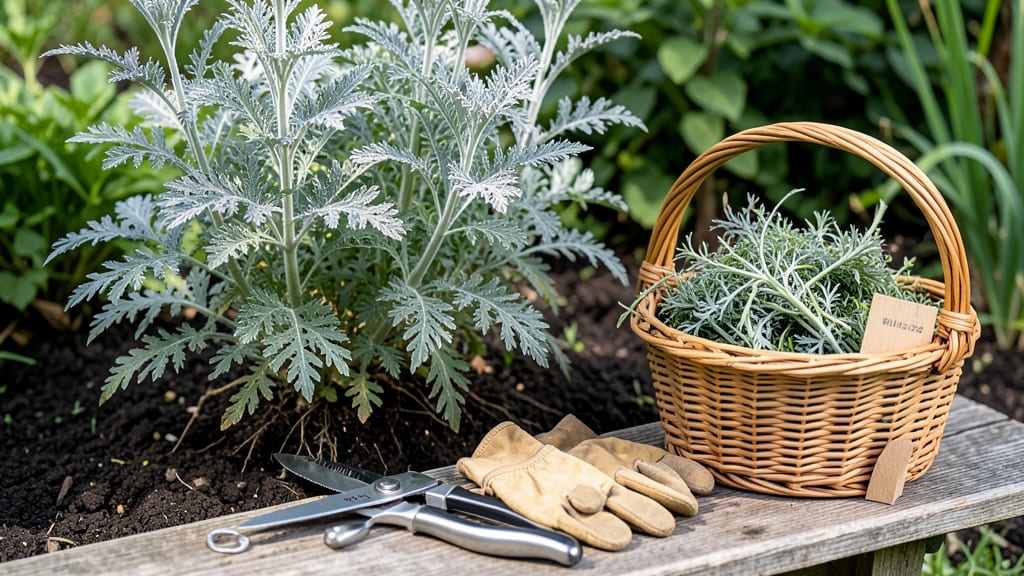
If you’ve ever wondered how to harvest wormwood for the boldest flavor and medicinal benefits, timing and technique make all the difference. This hardy herb isn’t just for garnishes—it’s a powerhouse in cocktails, teas, and remedies, but only when harvested right.
Picture this: July to September in your garden, when the air hums with the sharp, piney scent of 🌿 wormwood at its peak. That’s when you’ll know your plants are ready—dark green leaves, fragrant enough to make your hands tingle.
But rush it, and you’ll miss the window for maximum potency.
I’ll walk you through the exact steps to pick the best leaves, from avoiding over-trimming to storing your harvest for long-term use. Whether you’re drying bundles for winter absinthe or freezing sprigs for summer soups, these tips ensure you get the most out of your plants.
Ready to turn your garden into a flavor factory? Let’s dive into the secrets of harvesting wormwood like a pro—so you never waste another harvest again.


Best time of year to harvest wormwood for optimal flavor and potency
Timing your wormwood harvest is everything—harvest too early, and you’ll get weak, underdeveloped leaves. Harvest too late, and the bitter compounds (like thujone) can become overpowering or even bitter-tasting.
The peak harvest window for wormwood is mid-summer through early fall, specifically July through September, when the plant is fully mature but hasn’t yet flowered.
Wormwood thrives in full sun and reaches its strongest flavor when grown in USDA Zones 6a and warmer. In cooler climates, extend your harvest window by starting indoors or using row covers to protect plants from early frosts.
The key is to harvest before the plant bolts or flowers, as this is when the aromatic oils peak in concentration.
Moon phase enthusiasts swear by harvesting during the waning moon for enhanced potency, but science shows the real difference comes from plant maturity and growth stage. Focus instead on these harvest readiness signs: dark green, fragrant leaves with a woody stem base but tender foliage.
If you pinch the leaves and smell a strong herbal aroma, it’s time to harvest!
Here’s how climate affects your harvest timing: Hot, dry climates (like the Southwest) may require earlier harvesting to avoid leaf scorching or bitterness buildup. Cooler, wetter regions (like the Pacific Northwest) can extend the harvest into late September if protected from frost.
| Season | Ideal Harvest Window | Key Signs | Climate Notes |
|---|---|---|---|
| Spring | Late May - Early June | New growth, 6-12" tall, mild aroma | Early harvests risk frost damage |
| Summer | July - August (peak) | Woody stems, dark green leaves, strong scent | Harvest before flowering for best flavor |
| Fall | September (before frost) | Leaves may darken, stems toughen | Protect from early frosts to extend season |
For year-round harvesting, grow wormwood in containers and bring them indoors before the first frost. Place pots near a south-facing window or under grow lights to maintain growth. Even indoors, avoid harvesting after the plant flowers, as the bitter compounds become less desirable for culinary use.
If you miss the peak harvest window, don’t despair—wormwood is perennial, meaning it regrows each year. After your first harvest, new growth will sprout from the base, giving you a second harvest opportunity in late summer or early fall.
Just avoid cutting more than one-third of the plant at a time to prevent stress or stunted growth.
Pro tip: Harvest on a dry, sunny morning after the dew has evaporated. This ensures the leaves dry quickly and retain their maximum essential oils. Avoid harvesting after rain, as damp leaves are prone to fungal diseases like powdery mildew, which can ruin your entire crop.
One common mistake is waiting until the plant is fully woody. While wormwood stems do become woody with age, the best leaves for harvest are the younger, tender ones near the top of the plant.
These contain the highest concentration of aromatic compounds and medicinal properties. Save the older, tougher leaves for bouquets or compost.
To maximize your harvest, consider pruning strategically. Cut back the plant by one-third after the first harvest to encourage bushier growth. This not only boosts your yield but also keeps wormwood looking neat and ornamental in your garden.
Just remember: the more you prune, the more regrowth you’ll get—but never cut into the woody base.
Finally, keep a harvest journal to track when your wormwood reaches peak flavor each year. Note the date, weather conditions, and leaf characteristics. Over time, you’ll develop a keen eye for the perfect harvest moment, ensuring your wormwood always delivers that bold, bitter-sweet flavor you love.
Step-by-Step guide to selecting and cutting wormwood leaves for maximum yield
Harvesting wormwood at the right time and with the right technique ensures maximum flavor and potency. Start by selecting mature leaves—look for dark green foliage that’s fully developed and emits a distinctive aroma when crushed.
Avoid harvesting leaves that are still small or pale, as they won’t have the full flavor profile wormwood is known for.
Use clean, sharp pruning shears or garden scissors to make precise cuts. This prevents damaging the plant and ensures a cleaner harvest. Always cut just above a leaf node or set of leaves to encourage new growth.
Never rip leaves off the stem, as this can harm the plant and reduce future yields.
How to Harvest Wormwood Leaves
- 🌿 Step 1: Choose a sunny morning after dew has dried to harvest. This ensures leaves are dry and crisp.
- 🌿 Step 2: Identify mature leaves—they should be 1-2 inches long and dark green.
- ✂️ Step 3: Cut just above a leaf node using clean shears to avoid damaging stems.
- 🌱 Step 4: Harvest no more than 1/3 of the plant at once to promote regrowth.
- 🌡️ Step 5: Avoid harvesting during hot afternoons to prevent wilting or flavor loss.
When harvesting wormwood, focus on side shoots and new growth rather than the main stems. This encourages the plant to branch out and produce more leaves for future harvests.
If you’re growing wormwood for culinary or medicinal purposes, prioritize leaves from the middle to upper parts of the plant, as they tend to be more aromatic.
One common mistake is overharvesting, which can stress the plant and lead to stunted growth or even death. To avoid this, space out your harvests and never take more than one-third of the plant’s foliage at a time.
If you notice yellowing leaves or slow growth after harvesting, you’re likely taking too much.
After harvesting, remove any damaged or diseased leaves immediately. These can spread mildew or bacteria to the rest of your plant. Store harvested leaves in a paper bag or mesh bag in a cool, dry place until you’re ready to dry or use them.
This keeps them fresh and flavorful for longer.
Pro tip: If you’re harvesting wormwood for absinthe or other high-flavor applications, focus on leaves from the second year of growth. These tend to be more potent and aromatic than those from younger plants. Just