
How To
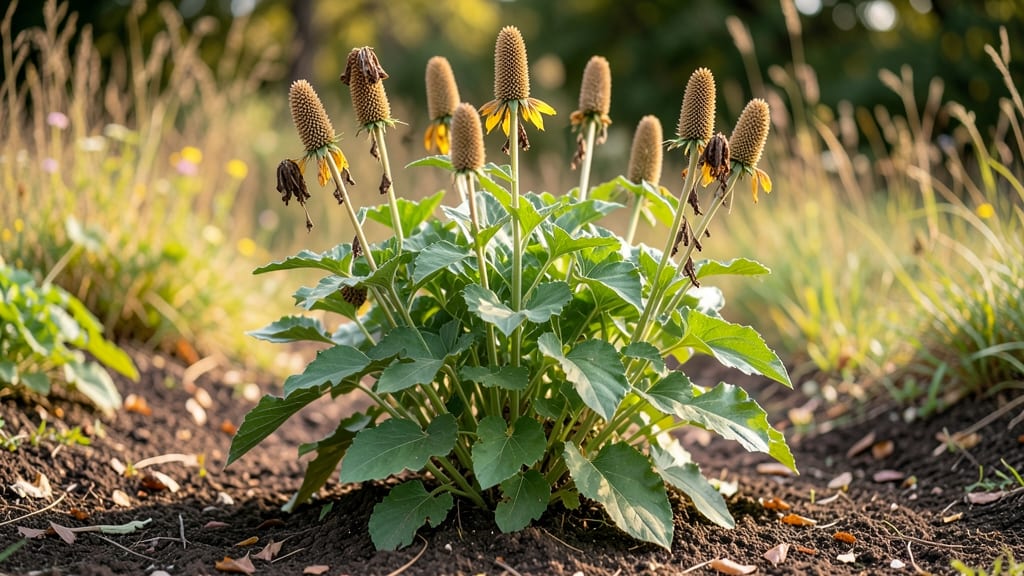
Harvesting rudbeckia seeds is your ticket to a free, vibrant garden next spring—if you time it right. These cheerful 🌼 blooms don’t just brighten your yard; they’re packed with seeds that can save you money and preserve heirloom varieties for years to come.
But here’s the catch: waiting too long means frost ruins your harvest, while picking too early leaves you with seeds that won’t sprout.
The key is knowing exactly when those brown, papery seed heads are ready—usually between September and October—and how to collect them without damaging the delicate seeds inside.
I’ll walk you through the step-by-step process, from spotting the perfect seed head to storing them properly so they stay viable until planting season. No more guesswork—just a foolproof method to ensure your rudbeckia thrives for seasons to come.
Whether you’re a seasoned gardener or just starting out, these tips will help you turn this year’s blooms into next year’s pollinator-friendly garden staples. Let’s get those seeds saved!


Best time to harvest rudbeckia seeds for maximum viability
Timing is everything when harvesting rudbeckia seeds. The ideal window falls between late summer and early fall, typically September through October in most U.S. growing zones. This timing ensures seeds mature fully before the first frost, which can damage or kill the seed heads before they ripen.
Watch for visual cues like dropped petals and brown seed heads. When the vibrant petals fall away naturally, exposing the central cone, it’s a clear sign the seeds are nearing maturity.
The seed heads should also feel dry and papery to the touch, and seeds inside should rattle when shaken gently.
If you miss the optimal window, don’t panic! Rudbeckia seeds can tolerate light frosts if the seed heads are fully dry. However, prolonged cold or wet conditions will reduce viability. Always harvest before the first hard frost, which typically hits in November for most regions.
Here’s a quick reference to help you spot the perfect moment:
| Stage | Visual Cues | Action |
|---|---|---|
| Early Maturity | Petals begin to drop, seed heads turn brown | Monitor daily for full maturity |
| Optimal Harvest | Petals fully fallen, seed heads dry and brittle, seeds rattle | Harvest immediately |
| Overripe | Seed heads split open, seeds scatter | Collect remaining seeds if possible |
For maximum germination rates, aim to harvest seeds when they’re fully mature but before they scatter naturally. This usually happens 2-4 weeks after petals fall, depending on your climate. In warmer zones, seeds may mature faster, while cooler regions may need an extra week or two.
Pro tip: If you’re unsure whether seeds are ready, cut a few seed heads and let them dry indoors for a day. If the seeds inside are dark brown and firm, they’re ready for collection. If they’re still green or soft, wait another 3-5 days.
Harvesting at the right time isn’t just about seed quality—it’s also about preserving plant energy. Allowing seeds to mature fully ensures the plant isn’t depleted before winter, giving it a better chance of returning stronger next season. Plus, fully ripe seeds store better and germinate more reliably.
In USDA Zone 6a (like much of the Midwest), the first frost date is around November 1, so plan to harvest by late October to avoid frost damage. If you’re in a warmer zone, like Zone 8 or higher, you may have until December.
One common mistake is harvesting seeds too early. Immature seeds won’t germinate well, and you’ll waste time and effort. Always wait until the seed heads are completely dry and brown, with no green remaining. This ensures the highest viability and vigor for next year’s garden.
Finally, keep an eye on the weather forecast. If rain is in the forecast, harvest your seeds ahead of time to prevent moisture damage. Wet seeds are prone to mold and rot, which can ruin your entire harvest. A dry, sunny day is ideal for collecting rudbeckia seeds.
Best time to harvest rudbeckia seeds for maximum viability
Harvesting rudbeckia seeds at the right moment ensures high germination rates and healthy plants next season. Timing is critical—collect seeds too early, and they won’t mature; wait too long, and they may scatter or sprout prematurely.
The ideal window falls between late summer and early fall, typically September to October in most USDA Zone 6a regions.
Look for visual cues like dried, brown flower heads and dropped petals. When the seed heads turn a deep brown and feel brittle, they’re ready. Shake a seed head gently—if seeds rattle inside, they’re mature. Avoid harvesting after the first frost, as moisture can cause mold or rot.
| Stage | Signs of Readiness | Action |
|---|---|---|
| Early Summer | Petals vibrant, green seed heads | Monitor growth |
| Late Summer | Petals drop, seed heads brown | Harvest seeds |
| Early Fall | Seed heads brittle, seeds rattle | Collect seeds before frost |
Check seeds daily in September to catch the perfect moment. If left too long, seeds may scatter naturally or attract pests like birds or squirrels. Harvest on a dry, sunny day to prevent moisture damage. Use clean, dry scissors or pruners to snip seed heads cleanly from the stem.
Never harvest seeds after petals have fully fallen but before the heads turn brown—this is the critical window. Overripe seeds lose viability, while underripe seeds won’t germinate. Store harvested seeds in a cool, dry place (like a paper envelope) until ready for drying.
For maximum seed production next year, leave a few rudbeckia plants unharvested. This ensures pollinators like bees and butterflies have nectar while allowing seeds to mature naturally. Deadhead spent blooms early in the season to encourage more seed heads later.
If you miss the harvest window, don’t worry—rudbeckia seeds can survive 1-2 years in storage if kept dry. Label your seeds with the harvest year to track freshness. Proper timing and storage set you up for a thriving garden in spring! 🌾