
Picking
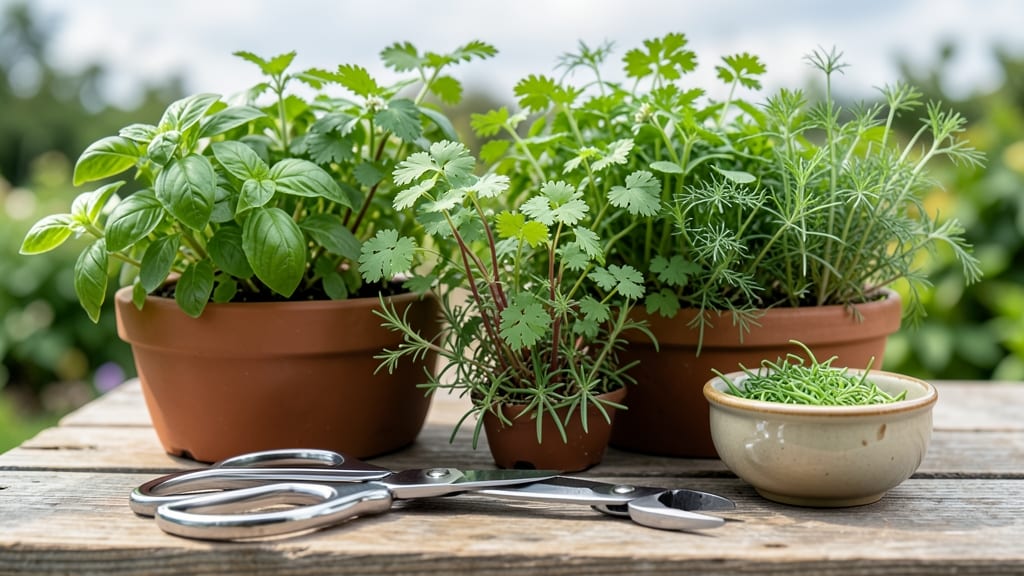
Harvesting fresh herbs at the right moment transforms your garden from a decorative element to a flavor powerhouse. ✨ The difference between vibrant, aromatic leaves and bitter, woody stems comes down to timing and technique—something I learned after my first overzealous basil harvest turned my pesto into a sad, grassy memory.
Morning is your best friend for harvesting, when oils are at their peak and leaves are crisp. Use clean, sharp scissors or pruning shears to make cuts just above a leaf node (that little bump where leaves grow), which encourages bushier growth.
For basil and mint, never take more than one-third of the plant at once—greedy harvesting leads to leggy, sparse stems that struggle to recover.
With the right approach, your herbs will reward you with lush regrowth in just a few weeks. Store harvested bundles in a jar of water like flowers, or wrap them in damp paper towels in a plastic bag for up to a week.
The secret to long-term flavor? Freeze chopped herbs in ice cube trays with olive oil for instant garden-fresh bursts in winter dishes.
This method works for all common herbs—parsley stays tender, cilantro keeps its bright flavor, and even finicky mint stays vigorous. The key is consistency: harvest regularly, avoid over-pruning, and your herb garden will become the most productive (and delicious) part of your landscape.
📚 In This Guide
- What you need
- Instructions
- Tips and common mistakes
- Wrapping up and next steps
What you need
- ● Sharp pruning shears or scissors: Small, clean, and sharp (dull tools crush stems and damage plants).
- ● Bypass pruners (for woody stems like rosemary or thyme) or any clean scissors for tender herbs.
- ● Quantity: 1 pair per person (or 1 pair + 1 backup).
- ○ Gloves (optional but recommended): Lightweight gardening gloves to protect hands from prickly herbs (e.g., oregano, mint) or sap (e.g., lemon verbena).
- ● Material: Nitrile or breathable fabric (avoid thick rubber—it traps moisture).
- ● Harvesting basket or container: Mesh produce bag, colander, or shallow tray to drain excess moisture and prevent wilting.
- ● Size: Large enough to hold 1–2 days’ harvest (e.g., 10x12-inch tray for 5–10 plants).
- ○ Water spray bottle (optional): Mist herbs lightly after harvesting to preserve freshness if you can’t use them immediately.
- ● Mature plants: Harvest only from herbs that are at least 6–8 inches tall (or have 4–6 true leaves for leafy varieties like basil or cilantro).
- ● Morning timing: Harvest in the early morning (after dew dries but before peak heat) for the most potent flavors.
- ● Clean workspace: Lay down a towel or newspaper to catch debris and keep tools sanitized.
- ● Weather check: Avoid harvesting after rain (herbs can be waterlogged) or in extreme heat (they wilt faster).
Step-by-step instructions for harvesting fresh herbs
Here’s how I harvest herbs to keep them thriving—and tasting their best—throughout the season.
🌿 Step 1: Identify the Right Time to Harvest
Harvest herbs in the morning after the dew has dried but before the sun gets too intense. This is when essential oils are most concentrated, giving you the strongest flavor. For leafy herbs like basil, parsley, and cilantro, wait until they’ve developed at least 3-4 sets of true leaves—this ensures the plant has enough energy to regrow.
Stem herbs like rosemary, thyme, and oregano should be harvested just before they flower. The flavor intensifies as buds form, but once flowers appear, the leaves become bitter. Pinch off any flower stems immediately to redirect the plant’s energy back into leaf production.
✂️ Step 2: Use the Right Tools and Technique
Sharp, clean scissors or pruning shears are a must—never tear leaves by hand. Dull tools crush stems and damage the plant, inviting disease. I like to use small, ergonomic pruners for delicate herbs like thyme and clean kitchen scissors for basil and parsley.
For leafy herbs, cut just above a set of leaves where the stem meets the main plant. This encourages new growth from that node. For woody herbs like rosemary, trim back by one-third of the plant’s height to maintain shape and stimulate bushier growth. Always cut at a 45-degree angle to increase surface area for water absorption.
💧 Step 3: Harvest Strategically for Long-Term Growth
Never harvest more than one-third of the plant at a time. This rule keeps herbs healthy and prevents stress. For example, if you’re harvesting basil, take only the outer leaves or stems, leaving the center intact. This ensures the plant continues photosynthesizing efficiently.
If you’re harvesting stems (like rosemary or mint), cut back to a leaf node or side branch. This encourages branching and a fuller plant. Avoid harvesting from the very center of the plant—it’s like cutting the heart out of your herb, and recovery takes much longer.
☀️ Step 4: Post-Harvest Care for Continued Growth
After harvesting, give your herbs a light watering if the soil feels dry to the touch. Overwatering after a cut can stress the plant, but keeping the soil slightly moist helps it recover faster. I like to water in the morning so any excess moisture evaporates by evening.
Place harvested herbs in a glass of water (like flowers) to extend their freshness. Trim the stems at an angle to maximize water uptake. Store them in the fridge, wrapped in a damp paper towel, for up to a week. This keeps them crisp and flavorful longer than air-drying or freezing.
⏰ Step 5: Maintain a Regular Harvesting Schedule
Herbs grow fastest during warm weather, so I harvest every 2-3 weeks in summer. In cooler months, reduce to every 4-6 weeks as growth slows. Regular harvesting actually encourages more abundant growth—it’s like giving the plant a little trim to stay tidy and productive.
Watch for signs of over-harvesting: yellowing leaves, leggy stems, or slow growth. If you see these, cut back on how much you’re harvesting and focus on letting the plant recover. A well-maintained herb garden is a self-sustaining one—harvest wisely, and you’ll enjoy fresh flavors all season long.
Tips & tricks for perfect herb harvesting
A few simple techniques will transform your herb garden from good to spectacular—here's what I've learned after years of trial and error.
Timing is Everything: The morning after dew dries is your prime window—this is when essential oils are most potent. I've noticed that harvesting at this time gives my basil and parsley that restaurant-quality flavor. For woody herbs like rosemary, I wait until buds form but before flowers appear—the flavor peaks right at this stage.
Tool Selection Matters: Don't underestimate your tools! I use ergonomic pruners for delicate herbs like thyme because they give me precise cuts without damaging the plant. For basil and parsley, I prefer clean kitchen scissors—they're sharp enough to make clean cuts while being gentle on my hands. Remember, dull tools bruise stems and invite disease.
Cutting Technique for Growth: When harvesting leafy herbs, always cut just above a leaf node where the stem meets the main plant. This simple technique encourages new growth from that exact spot. For woody herbs, trim back by one-third of the plant's height—this stimulates bushier growth and maintains the plant's shape. The 45-degree angle isn't just for looks; it increases surface area for better water absorption.
Post-Harvest Revival: After harvesting, I give my herbs a light watering if the soil feels dry—just enough to keep it slightly moist. Overwatering after a cut can actually stress the plant. For freshness, I place harvested herbs in a glass of water (like flowers) and store them in the fridge wrapped in a damp paper towel. This keeps them crisp for up to a week—far longer than air-drying or freezing.
Pro Tips for Harvest Fresh Herbs
- A few simple techniques will transform your herb garden from good to spectacular—here's what I've learned after years...
- Timing is Everything: The morning after dew dries is your prime window—this is when essential oils are most potent. I...
- Tool Selection Matters: Don't underestimate your tools! I use ergonomic pruners for delicate herbs like thyme because...
Frequently asked questions
Got questions about harvesting fresh herbs? You’re not alone! Here are answers to the most common queries to help you harvest like a pro—without wasting a single leaf.
When is the best time to harvest herbs?
The ideal time to harvest is early morning after the dew has dried but before the sun peaks (around 8–10 AM). This is when essential oils—responsible for flavor—are at their strongest. Avoid harvesting after rain or late in the day, as flavors can be milder or bitter.
Should I cut herbs with scissors or pinch them by hand?
For most herbs like basil, mint, or cilantro, pinching stems by hand encourages bushier growth. Use clean, sharp scissors only for woody herbs (like rosemary or thyme) or when harvesting large batches. Always cut just above a leaf node to promote new growth.
Can I harvest herbs if they’re flowering?
Yes, but timing matters! For leafy herbs (basil, parsley, cilantro), snip flowers to redirect energy to the leaves. For floral/herbal hybrids (lavender, chamomile, dill), wait until flowers fully open for the best flavor. Never harvest seeds if you want more plants—save those for next season!
How do I store freshly harvested herbs?
Store herbs properly to preserve flavor and freshness:
- Short-term (3–5 days): Wrap stems in a damp paper towel, place in a plastic bag, and refrigerate.
- Long-term (weeks): Dry herbs by hanging bundles upside down in a dark, well-ventilated area (like a pantry). Freeze in olive oil or water for cooking.
- Pro tip: Label containers with the herb name and harvest date!
Why are my herbs turning yellow or wilted after harvesting?
Yellowing or wilting can happen due to:
- Overwatering (herbs hate soggy roots—let soil dry slightly between waterings).
- Harvesting too aggressively (never take more than 1/3 of the plant at once).
- Pests or disease (check for aphids or fungal spots; isolate affected plants).
Revive wilting herbs by trimming damaged leaves and giving them bright, indirect light.
Wrapping up and next steps
Harvesting fresh herbs at their peak is easier than you think—just follow the right techniques to unlock bold flavors and vibrant growth! Whether you’re trimming basil for pesto, snipping cilantro for salsa, or harvesting rosemary for roasts, timing, tools, and tenderness are your secret weapons.
With a little practice, you’ll enjoy a never-ending supply of aromatic greens straight from your garden (or windowsill!) to elevate every dish.
Ready to take the next step? Experiment with drying, freezing, or preserving your harvest to enjoy those flavors year-round. Happy harvesting—your kitchen (and taste buds) will thank you! 🌿✨