
Picking
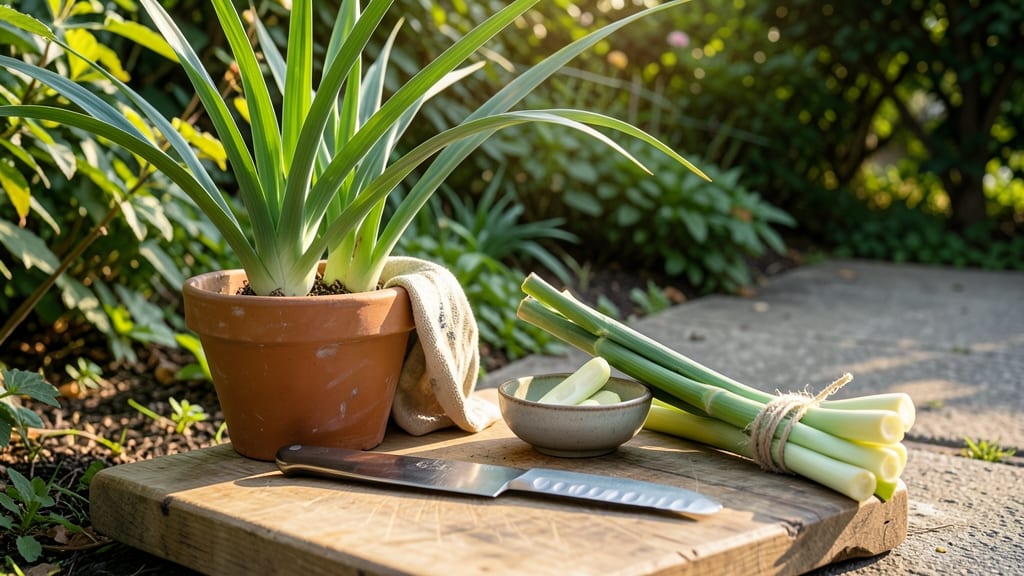
Here’s how to harvest and use lemongrass—your plant is ready to reward you with bold flavor and fragrant magic. 🌿 The secret lies in timing: wait until stalks reach 12-18 inches tall with tight, unopened buds at the top. That’s when the citrusy oils peak, and the roots pack their earthy depth.
Cutting is simple—use sharp scissors or pruners to slice 2-3 inches above the ground, leaving the base intact. This encourages regrowth, and you’ll get 3-4 harvests per plant before winter. For roots, dig carefully after the plant’s second year, shaking off soil to reveal the knobby, brown rhizomes.
Fresh lemongrass transforms dishes instantly: bruise stems for curries, steep in hot water for tea, or blend into homemade skincare for a zesty glow. The roots? Perfect for broths or fermented remedies. Store stems in water like flowers or freeze whole—no waste, all flavor.
Pro tip: Harvest before flowering for the strongest aroma. Over-picking? No problem—lemongrass bounces back, and every cut means more growth. Now go enjoy that garden-to-table magic!
📚 In This Guide
- What you need
- Instructions
- Tips and common mistakes
- Wrapping up and next steps
What you need
- ● Lemongrass plants: Mature stalks (3–4 feet tall) or roots (if harvesting from the ground). Look for vibrant green, firm stems with a citrusy aroma.
- ● Pruning shears or sharp knife: A clean, sterilized pair to avoid damaging the plant or spreading disease. A pair of kitchen scissors works in a pinch!
- ○ Gloves (optional but recommended): Protect your hands from thorns or rough stems—especially if harvesting wild lemongrass.
- ● Plastic bag or container: A breathable mesh bag or sturdy container to store freshly harvested lemongrass (avoid plastic that traps moisture).
- ● Water source: A spray bottle or bucket for rinsing dirt off the stems.
- ● Cutting board (for processing): A clean surface to trim and prep lemongrass for cooking or storage.
- ● Freezer-safe bags or jars (for storage): If you’re not using the lemongrass immediately, you’ll need airtight containers for long-term preservation.
- ● Labeling tags: Mark your stored lemongrass with the harvest date to track freshness.
- ● Citrus zester or grater: For extracting fine lemongrass zest (great for garnishes or marinades!).
- ● Food processor or mortar & pestle: If you’re making lemongrass paste or powder for recipes.
- ● Compost bin: For disposing of lemongrass trimmings—it’s nutrient-rich for your garden!
Step-by-Step instructions for harvesting and using lemongrass
Here’s how I harvest lemongrass at its peak and put it to work in the kitchen—whether you’re using fresh stems or roots.
🌿 Step 1: Identify and Harvest Mature Stems
Lemongrass reaches peak flavor when stems are 3-4 feet tall and have 3-4 inches of solid, pale green growth at the base. Look for stalks that are thick and firm—they should snap cleanly when bent, not bend easily. Avoid harvesting stems with yellowed or wilted leaves, as they’ve lost potency.
Use a sharp knife or clean scissors to cut stems 1-2 inches above the ground. This encourages new shoots to grow from the base. If you’re harvesting multiple stems, leave at least 6 inches between cuts to avoid overstressing the plant. I like to harvest in the morning when essential oils are most concentrated.
🌱 Step 2: Prepare Stems for Use
Once harvested, strip off the tough outer leaves by peeling them away from the bottom up. The inner white and pale green parts are the most flavorful. Trim the top 1-2 inches of the stem if it’s woody or brown. For best flavor, use stems within 3-5 days of harvest—freshness is key.
To make lemongrass more manageable, cut stems into 3-inch sections. Store them in a jar of water in the fridge, much like cut flowers, to preserve freshness for up to 2 weeks. For longer storage, freeze the stems whole or chopped—just wrap them tightly in plastic wrap before placing in a freezer bag.
✂️ Step 3: Harvest and Use Roots (When Ready)
Lemongrass roots are edible but develop flavor only after the plant has been established for 8-12 months. When harvesting roots, dig carefully with a trowel, loosening the soil around the base before pulling gently. Rinse off excess dirt and trim away any fibrous or woody parts.
Roots can be used fresh in soups or broths, but they’re often dried or fermented for deeper flavor. To dry, slice roots thinly and spread them on a baking sheet in a 175°F oven for 2-3 hours until brittle. Store dried roots in an airtight container for up to 6 months. I’ve found that lightly toasting fresh roots in a dry pan for 3-5 minutes before using them intensifies their citrusy aroma.
💧 Step 4: Incorporate into Recipes
For maximum flavor, bruise or lightly crush the stems before adding them to dishes. This releases the aromatic oils without bitterness. In Asian-inspired recipes, add 2-3 inches of chopped lemongrass to curries, stir-fries, or soups. For drinks, muddle a 1-inch section in cocktails or infuse it in hot tea for a refreshing twist.
Don’t discard the used stems—simmer them in water for 10-15 minutes to make a fragrant broth. Strain and use the liquid in rice dishes or marinades. I also love blending lemongrass with ginger and garlic for a zesty paste that adds depth to grilled meats or seafood.
Tips & tricks for perfect lemongrass harvesting and usage
Took me years of experimenting to master these tricks—now I never waste a single stem or root.
The Harvesting Secret: When harvesting stems in Step 1, focus on the 3-4 inches of pale green growth at the base, not the entire stalk. This section contains the highest concentration of essential oils, which is why your recipes will taste more vibrant. I've found that harvesting in the morning gives the most potent flavor because the oils are most concentrated after a night's rest. Also, always cut stems at a 45-degree angle—this increases the surface area for new shoots to grow, encouraging healthier regrowth.
Preparation Pro Tip: In Step 2, when you're peeling the tough outer leaves, don't rush it. The inner white and pale green parts are what you want, but if you peel too aggressively, you'll expose the fibrous core. Instead, gently peel away the outer layers like you're unwrapping a candy bar. For the 3-inch sections you'll be using, I recommend cutting them right after peeling to prevent wilting. Store them upright in a jar of water—just like flowers—to keep them fresh for up to 2 weeks.
Root Processing: For Step 3, when working with roots, patience is key. The 175°F oven setting for drying might seem low, but it's crucial for gentle dehydration. If you're short on time, you can speed this up by spreading the roots on a wire rack in a warm, dry place and checking every 30 minutes. Just remember, the goal is to make them brittle, not char them. I've also found that lightly toasting fresh roots in a dry pan for 3-5 minutes before using them in recipes intensifies their flavor—it's like unlocking a hidden depth of aroma.
Pro Tips for Harvest And Use Lemongrass
- Took me years of experimenting to master these tricks—now I never waste a single stem or root.
- The Harvesting Secret: When harvesting stems in Step 1, focus on the 3-4 inches of pale green growth at the base, not...
- Preparation Pro Tip: In Step 2, when you're peeling the tough outer leaves, don't rush it. The inner white and pale g...
Frequently asked questions
Got questions about harvesting and using lemongrass?
You’re not alone! Here are some of the most common queries—plus quick, practical answers to keep your kitchen (and garden) thriving.
When is the best time to harvest lemongrass?
The ideal time to harvest lemongrass is when the stalks are thick, firm, and at least 12–18 inches tall. For best flavor, harvest in the morning after the dew has dried but before the heat of the day sets in. Avoid harvesting after heavy rain, as the stems can become waterlogged and bitter.
How do I know if my lemongrass is ready to harvest?
Look for these signs:
- Thickness: Stalks should be pencil-sized or thicker.
- Color: Bright green with a slight yellowish tint at the base (not brown or wilted).
- Leaves: The lower leaves should be fully unfurled and vibrant.
- Height: At least 12 inches tall (longer is fine—just trim to your needs!).
Can I use dried lemongrass instead of fresh?
Yes! Dried lemongrass is a great substitute, but use it sparingly. Fresh lemongrass has a more delicate, citrusy flavor, while dried is stronger and earthier. For recipes calling for fresh, reduce the dried amount by ⅓. Store dried lemongrass in an airtight container away from light for up to 6 months.
Why does my lemongrass taste bitter or woody?
Bitter or woody flavors usually mean the lemongrass is overripe, damaged, or stressed. Check these fixes:
- Harvest younger stalks (older ones develop tougher fibers).
- Avoid harvesting after frost or extreme heat.
- Store properly: Wrap stalks in a damp paper towel and refrigerate for up to 2 weeks.
- If using roots, trim off any brown or mushy parts before cooking.
Can I regrow lemongrass from a store-bought stalk?
Store-bought lemongrass can regrow if the root base is intact. Here’s how:
- Trim the stalk down to 2–3 inches above the roots.
- Place the root end in 1–2 inches of water (like a bouquet).
- Change the water every 2–3 days and keep in bright, indirect light.
- New growth should appear in 2–4 weeks. Once sturdy, transplant to soil.
Wrapping up and next steps
Harvesting and using lemongrass is a rewarding way to elevate your cooking with its bright, citrusy flavor! Whether you’re snipping fresh stems for soups or digging up roots for teas, this versatile herb adds depth to countless dishes.
Now that you know the ins and outs, why not plant a few stalks in your garden or explore new recipes to make the most of your harvest? 🌱✨
Start small—try infusing a pitcher of water with lemongrass for a refreshing twist, or swap it into your favorite stir-fry. Your taste buds (and dinner guests) will thank you!