
Size
How to grow sumac means fiery red berries that birdwatchers and wildlife lovers adore. 🌿 The first time I saw my sumac's berries turn from green to brilliant red, I knew this drought-tolerant shrub was a game-changer for my sunny yard. Native to dry, open areas, sumac thrives where many plants struggle—making it perfect for low-maintenance landscapes. You'll need full sun (at least 6 hours daily), well-draining soil, and patience—sumac grows slowly but rewards you with striking fall color and wildlife benefits. It's disease-resistant, handles poor soil, and even tolerates urban pollution. The berries? Edible (when cooked) and a favorite of birds, squirrels, and deer. By late summer, you'll spot those iconic red clusters that last through winter, adding drama to your garden. Prune lightly in early spring to shape it, and watch it spread into a 5-15-foot shrub over time. Perfect for hedges, erosion control, or just adding bold color to dry spots. Sumac's versatility makes it a standout: ornamental, wildlife-friendly, and even edible. Here's how to get started without the guesswork!
📚 In This Guide
- What you need
- Instructions
- Tips and common mistakes
- Wrapping up and next steps
What you need
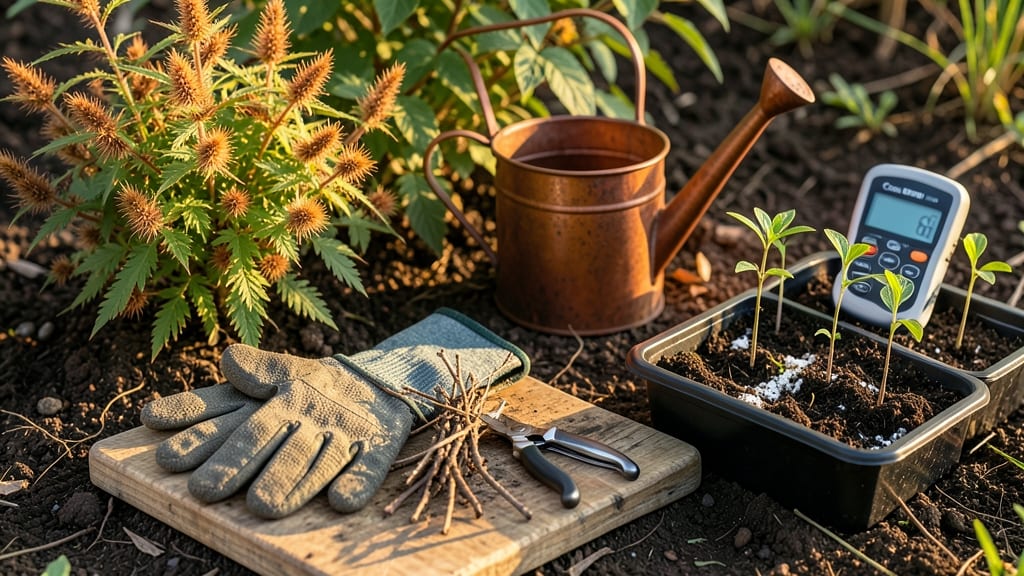
- ● Sumac seeds or cuttings: Choose between Staghorn sumac (Rhus typhina) or Smooth sumac (Rhus glabra). For seeds, collect ripe berries in late summer/fall (or buy from a nursery). Cuttings should be 4–6 inches long, taken from healthy, non-flowering stems.
- ● Well-draining soil: Sumac thrives in sandy, loamy, or rocky soil with a pH of 6.0–7.5. Amend heavy clay with compost or perlite (1 part compost to 3 parts soil).
- ● Sunlight: A full-sun location (6+ hours/day) is non-negotiable—sumac loves heat and sun!
- ● Watering can or hose: A gentle spray nozzle helps avoid displacing soil around young plants.
- ○ Mulch (optional but recommended): 2–3 inches of organic mulch (pine straw, wood chips, or shredded leaves) to retain moisture and suppress weeds.
- ● Pruning shears: For shaping mature shrubs or harvesting cuttings.
- ● Fertilizer (lightly): A balanced, slow-release fertilizer (10-10-10) in early spring if soil is poor. Sumac is low-maintenance—over-fertilizing can harm it!
- ● Erosion control fabric: Useful if planting on slopes to prevent soil loss.
- ● Bird netting: Protect young seedlings from hungry birds if planting in open areas.
Step-by-step instructions for growing stunning sumac shrubs
Here’s how to cultivate this drought-resistant beauty with minimal fuss—ideal for sunny borders or wildlife-friendly gardens.
🌱 Step 1: Choose the Perfect Planting Spot
Sumac thrives in full sun (6+ hours daily) and tolerates poor, dry soil—perfect for rocky slopes or neglected corners. Avoid low-lying areas where water pools, as soggy roots cause rot. I always test drainage by digging a 12-inch deep hole and filling it with water; if it drains within an hour, the site’s ready.
For 4 plants, space them 8-10 feet apart in a loose cluster. This mimics their natural growth habit and ensures future berry clusters share sunlight. If planting near a fence, leave 3 feet of clearance—sumac spreads slowly but steadily.
☀️ Step 2: Prepare Soil and Plant
Sumac isn’t picky, but amending the soil boosts early growth. Mix 1 inch of compost into the bottom 6 inches of the planting hole—this encourages root expansion without smothering. Avoid heavy amendments like manure, which can burn tender roots.
Place the bare-root plant so the top of the root ball sits 1 inch above ground level. Backfill with native soil, tamping gently to remove air pockets. Water deeply until moisture reaches 12 inches down. You’ll know it’s right when the soil surface looks slightly damp but not glistening.
💧 Step 3: Water and Mulch for First-Year Success
Keep the soil consistently moist for the first 2 months—sumac roots need time to establish. Water 2-3 times weekly until new growth appears, then taper to once weekly during dry spells. Overwatering is the biggest mistake; sumac wilts quickly when roots suffocate.
Spread 2 inches of wood chips or straw mulch around the base, keeping it 3 inches away from the trunk. This conserves moisture and suppresses weeds. Replenish mulch annually—sumac’s shallow roots appreciate a cool, protected root zone.
✂️ Step 4: Prune for Shape and Health
Prune sumac in late winter or early spring before new growth starts. Remove 1/3 of the oldest stems at ground level to encourage vigorous regrowth. This also prevents the shrub from becoming woody and less productive. Use clean, sharp shears to make cuts at a 45-degree angle just above a bud.
Deadhead spent berry clusters in early fall to tidy the plant, but leave some for wildlife. Sumac’s striking red berries feed birds and deer—don’t rush to clean up! If a branch dies back, prune it back to healthy wood immediately to prevent disease spread.
🌿 Step 5: Maintain Through the Seasons
Sumac is low-maintenance, but a light annual feeding in early spring keeps it lush. Scatter ½ cup of 10-10-10 fertilizer around the drip line and water it in. Avoid high-nitrogen fertilizers, which promote leafy growth at the expense of berries.
Watch for sumac gall midge—tiny yellow bumps on leaves in summer. If severe, prune affected branches in fall. Otherwise, let nature take its course. By year 3, your sumac will reward you with 3-foot-tall berry clusters, turning fiery red in fall—a stunning addition to any landscape.
Tips & tricks for growing stunning sumac shrubs
These simple strategies will help you cultivate thriving sumac plants that reward you with vibrant foliage and those iconic fiery red berries.
Site Selection Wisdom: While sumac tolerates poor soil, the right location makes all the difference. I've planted them on rocky slopes where other plants struggle, and they thrive beautifully. For maximum berry production, choose a spot with at least 6 hours of direct sunlight daily. If your yard has shady areas, consider a container where you can move the plant to sunnier conditions during winter months when sunlight is scarce.
Root Establishment Secret: The first 2 months after planting are critical for root development. I've found that using a moisture meter helps track when to water—aim for consistently damp soil but never soggy. A great trick is to create a small berm around the base of the plant to help direct water toward the roots during those crucial early weeks. This mimics natural conditions where sumac grows in slightly elevated areas.
Pruning Precision: When pruning in late winter, focus on removing the oldest stems first—they're the ones that have become woody and less productive. I always make my cuts at a 45-degree angle just above a bud, which helps water run off and prevents disease. For larger branches, use clean loppers to avoid tearing the bark. Remember that sumac responds well to pruning, so don't be afraid to shape it—just avoid cutting back more than 1/3 of the plant in any single year.
Wildlife-Friendly Balance: While deadheading spent berry clusters keeps your sumac looking tidy, leaving some berries for wildlife adds an important ecological benefit. I typically leave about 1/4 of the clusters to provide food for birds and deer. The berries are a valuable late-season food source when other options are scarce. If you're concerned about overgrowth, simply remove the berries after they've been enjoyed by wildlife—you'll still get the beautiful fall color without the mess.
Pro Tips for Grow Sumac
- These simple strategies will help you cultivate thriving sumac plants that reward you with vibrant foliage and those ...
- Site Selection Wisdom: While sumac tolerates poor soil, the right location makes all the difference. I've planted the...
- Root Establishment Secret: The first 2 months after planting are critical for root development. I've found that using...
Frequently asked questions
Got questions about growing sumac? You’re not alone! Here are some of the most common queries—plus straightforward answers to help you cultivate this hardy shrub with confidence.
How long does it take for sumac to produce berries?
Sumac typically takes 2–3 years to mature enough to produce berries after planting. Once established, it can yield abundant clusters of bright red (or orange/yellow) berries in late summer or fall. Patience pays off—these berries are worth the wait!
Can sumac survive harsh winters?
Sumac is extremely cold-hardy, thriving in USDA zones 3–9. Its deep roots and drought tolerance make it resilient to frost, snow, and even brief dry spells. Just avoid planting in waterlogged soil—sumac hates soggy feet!
What’s the best way to prune sumac?
Prune sumac in late winter or early spring (before new growth starts) to shape the shrub or remove dead branches. Use clean, sharp shears to cut back 1/3 of the plant if needed, but avoid over-pruning—sumac regenerates quickly! For a bushier look, trim just above a leaf node.
Are there any pests or diseases I should watch for?
Sumac is pest-resistant, but watch for aphids or spider mites on young plants (hose them off with water). Fungal issues like powdery mildew can occur in humid climates—improve airflow and avoid overhead watering. If leaves yellow or wilt, check for root rot (a sign of overwatering).
Can I grow sumac in containers?
While possible, sumac is best suited for ground planting due to its size (6–12 feet tall). If you’re set on containers, choose a large pot (20+ gallons) with drainage holes and repot every 2–3 years. Dwarf varieties like Rhus copallina ‘Lakeland’ may adapt slightly better, but growth will be slower.
How do I harvest sumac berries for tea or spice?
Harvest berries in late summer to fall when they’re dry and crumbly (they’ll fall off easily). Remove stems and leaves, then grind into a powder for sumac tea (a tangy, lemony drink) or use whole in cooking. Never eat raw berries—they must be dried first!
Wrapping up and next steps
Growing sumac is a rewarding journey that brings vibrant color, wildlife support, and even edible treats to your landscape! With just a few simple steps—sunlight, well-draining soil, and patience—you can cultivate this hardy shrub with ease.
Whether you’re drawn to its striking foliage or its tangy berries, sumac thrives with minimal fuss, making it perfect for both beginners and seasoned gardeners. 🌿
Now that you’re equipped with the know-how, why not take the next step? Plant a sumac shrub this season and watch your garden transform into a dazzling red oasis. Share your progress with fellow gardeners or experiment with sumac recipes—your adventure starts now! 🌟