
Size
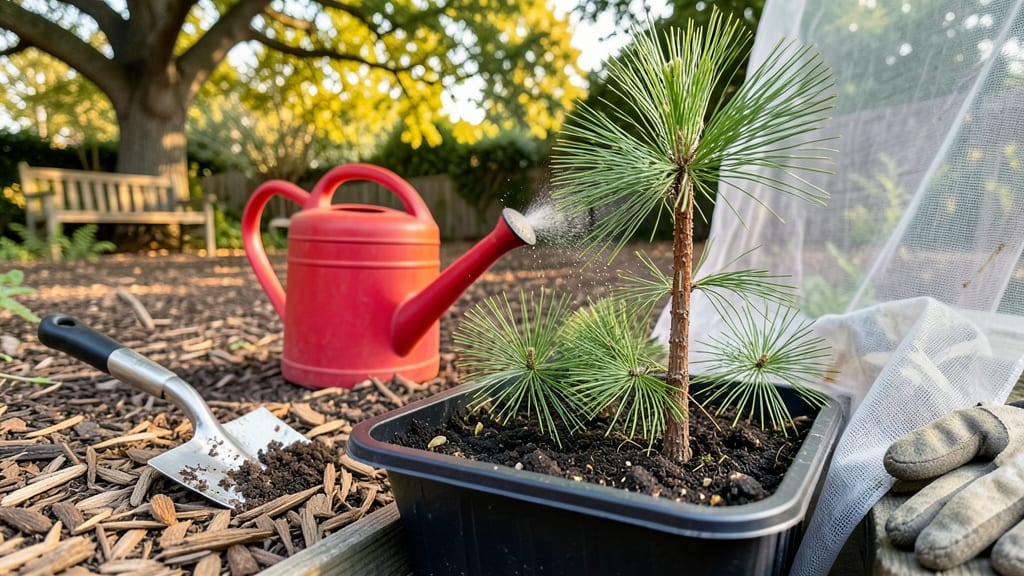
Giant sequoias need a 20-foot ceiling to reach their potential. 🌲 These aren’t your average backyard trees—they’re ancient giants that take patience, space, and the right conditions to grow.
I’ve watched my own sequoia sapling struggle (and thrive) in a California climate, and I’ll share exactly what it takes to give yours the best shot at becoming a living monument.
The first rule? Don’t start small. Sequoias need well-draining soil, full sun, and protection from strong winds. If you’re in a frost-prone area, grow them in containers until they’re established—though even then, they’ll outgrow most yards within decades.
The soil mix should mimic their native forest floor: 60% sandy loam, 30% compost, and 10% perlite to prevent root rot.
Watering is where most gardeners trip up. New seedlings need daily moisture for the first year, but mature trees hate soggy roots. Once established, they’re drought-tolerant—just like their wild cousins in the Sierra Nevada.
Expect slow growth: a 10-year-old sequoia might only be 6 feet tall, but that’s normal. The reward? A tree that could live for thousands of years if given the right care.
Here’s the hard truth: sequoias aren’t for every garden. But if you have the space, climate, and commitment, there’s nothing like watching a 200-foot giant grow from a tiny seed.
I’ll walk you through every step—from seed stratification to long-term maintenance—so you can decide if this ancient giant is right for your landscape.
📚 In This Guide
- What you need
- Instructions
- Tips and common mistakes
- Wrapping up and next steps
What you need
- ● Sequoia seeds: 5–10 high-quality seeds (fresh or cold-stratified for best germination). Tip: 💡 Buy from a reputable nursery or collect from mature cones (if legally permitted).
- ● Well-draining soil mix: 50% peat moss or coconut coir, 30% perlite/pumice, and 20% sand (or a pre-mixed acidic, well-aerated seed-starting mix).
- ● Seed-starting trays or small pots: 4–6" deep with drainage holes (biodegradable pots are eco-friendly!).
- ● Grow lights or sunny window: A full-spectrum LED grow light (12–16 hrs/day) or a south-facing window (bright, indirect light).
- ● Misting bottle or spray nozzle: For gentle hydration without disturbing seeds.
- ● Humidity dome or plastic wrap: To maintain 80–90% humidity during germination.
- ● Fertilizer (low-nitrogen): A balanced 10-10-10 or fish emulsion (diluted to half-strength) for seedlings.
- ● Permanent planting site: A spacious, sunny location (full sun, 6+ hrs/day) with deep, well-draining soil (pH 5.0–6.0). Avoid low-lying areas prone to frost or waterlogging.
- ● Hand trowel or transplanting spade: For moving seedlings (5–6" wide).
- ● Pruning shears: To trim dead branches or shape young trees (sterilize with rubbing alcohol!).
- ● Mulch (wood chips or bark): 2–3" layer to retain moisture and regulate soil temp (keep 6" away from the trunk).
- ○ Tree stake or support: Optional for young sequoias in windy areas (use soft ties to avoid girdling).
- ● Soil moisture meter: To monitor water levels (sequoias hate soggy roots!).
- ● Pest control (neem oil or horticultural oil): For aphids or spider mites (common in young trees).
- ○ Cold frame or greenhouse: Optional for extending the growing season in colder climates.
Step-by-step instructions for growing sequoia trees from seed
Here's the method I've used to nurture sequoia seedlings into strong saplings—patience and precision are key.
🌱 Step 1: Acquire and Prepare Sequoia Seeds
Sequoia seeds are notoriously difficult to germinate, so start with fresh, viable seeds. I source mine from reputable nurseries or collect them directly from mature cones in late fall. The key is to stratify the seeds for 30-60 days in a moist, cold environment to mimic winter conditions. Place seeds in a sealed container with slightly damp sand or peat moss, then refrigerate at 35-40°F.
Check weekly for mold—if you see any, remove the affected seeds immediately. After stratification, soak the seeds in lukewarm water for 12 hours to soften the hard outer shell. This step is critical: untreated seeds often fail to sprout because the shell blocks moisture absorption.
🌿 Step 2: Sow Seeds in a Controlled Environment
Fill 4-inch diameter pots with a sterile, well-draining mix of 50% peat moss and 50% perlite. Sequoias hate soggy roots, so avoid garden soil—it compacts and suffocates delicate seedlings. Plant 2-3 seeds per pot, pressing them ¼ inch deep into the mix. Cover lightly with a fine layer of perlite to retain moisture without smothering.
Place the pots in a humidity dome or clear plastic bag to maintain high moisture levels. Position them under grow lights (not direct sun yet) at a distance of 6-8 inches4-8 weeks, so be patient—you'll know it's working when you see the first tiny green sprouts pushing through the soil.
☀️ Step 3: Provide Ideal Growing Conditions for Seedlings
Once seedlings emerge, remove the humidity dome immediately to prevent fungal growth. Sequoias thrive in cool to moderate temperatures (60-75°F) and need bright, indirect light for the first 6-8 weeks. Gradually introduce direct sunlight over 2 weeks to avoid leaf scorch. You'll notice strong seedlings develop deep green, glossy needles and a sturdy central stem.
Water gently from the bottom of the pot to encourage deep root growth—never let the soil dry out completely, but avoid waterlogging. I use a moisture meter to check soil conditions, aiming for 60-70% humidity in the root zone. Fertilize lightly with a balanced 10-10-10 mix every 4-6 weeks during the growing season, but avoid overfeeding—sequoias are sensitive to excess nutrients.
🪴 Step 4: Transplant and Harden Off Young Saplings
After 12-18 months, when seedlings reach 12-18 inches tall with a well-developed root system, it's time to transplant. Choose a location with full sun and well-draining soil—sequoias despise waterlogged conditions. Dig a hole twice as wide as the root ball but no deeper, then gently place the sapling in, backfilling with native soil.
Harden off the saplings over 2-3 weeks by gradually exposing them to outdoor conditions. Start with 2 hours of sunlight daily and increase exposure by 1 hour every 3 days. Watch for signs of stress—wilting or yellowing needles mean the transition is too fast. Mulch heavily around the base with 3-4 inches of wood chips to retain moisture and protect roots from temperature swings.
⏰ Step 5: Long-Term Care for Mature Sequoias
Sequoias grow slowly but steadily—expect 1-2 feet of growth per year under ideal conditions. Prune only to remove dead or diseased branches; these trees are naturally robust and require minimal intervention. Water deeply once weekly during the first growing season, then taper to every 2-3 weeks once established, as sequoias develop deep root systems that access water efficiently.
Fertilize annually in early spring with a slow-release, organic fertilizer to support steady growth. Monitor for pests like bark beetles or aphids—sequoias are generally pest-resistant, but young trees can be vulnerable. If you notice chewed needles or sticky residue, treat with neem oil or insecticidal soap immediately. With proper care, your sequoias will grow into majestic giants, standing for centuries to come.
Tips & tricks for growing giant sequoia trees
Real talk: Growing these ancient giants from seed is equal parts rewarding and demanding. Here's what I've learned from years of nurturing sequoias—mistakes that'll set you back months aren't obvious until you've made them.
Germination Strategy: The 24-hour soak in lukewarm water is non-negotiable—it softens that tough seed coat and kickstarts the germination process. I've seen seeds fail to sprout when people skip this step entirely. After soaking, place them in a sealed bag with damp paper towels and check daily. The moment you see that first white root emerge (usually within 2-4 weeks at 70-75°F), it's time to plant. This pre-germination phase mimics their natural forest floor conditions where moisture and warmth work together to break dormancy.
Soil Science: That 50-30-20 mix of peat moss, perlite, and sand isn't arbitrary—it's the perfect balance for sequoias. The peat moss holds moisture while the perlite and sand ensure rapid drainage. I've ruined multiple seedlings by using regular potting soil that stays too wet. When planting those pre-germinated seeds ½ inch deep, think "lightly covered"—you're not burying them, just giving them gentle support. The key is keeping that soil consistently moist but never soggy during those critical first weeks.
Light Transition: Moving seedlings from shade to bright indirect light after germination is where most people stumble. Start with a north-facing window or grow light positioned 12-18 inches above the plants. Gradually increase light exposure over 3-5 days to avoid shocking the delicate seedlings. I've seen leaves scorch when people move them directly to full sun too soon. The goal is to mimic the dappled light of their native forest understory where they gradually adapt to more intense sunlight.
Pro Tips for Grow Sequoia Trees
- Real talk: Growing these ancient giants from seed is equal parts rewarding and demanding.
- Germination Strategy: The 24-hour soak in lukewarm water is non-negotiable—it softens that tough seed coat and kickstarts the germination process.
- Soil Science: That 50-30-20 mix of peat moss, perlite, and sand isn't arbitrary—it's the perfect balance for sequoias.
Frequently asked questions
Got questions about growing sequoias?
Here are some of the most common ones—plus straightforward answers to help you get started on your giant tree journey!
Can I grow a sequoia tree from a seed in my backyard?
Yes, but it takes patience! Sequoia seeds need cold stratification (a 30-60 day cold, moist period) to germinate. Start indoors in spring, then transplant outdoors after the last frost. However, sequoias thrive best in climate zones 5-9 with well-draining soil and plenty of space—they can reach 200+ feet tall!
How long does it take for a sequoia tree to grow to full size?
Sequoias grow slowly—expect about 1-2 feet per year under ideal conditions. A mature giant sequoia (60-80 feet tall) can take 50-100 years! If you want faster growth, focus on watering deeply, fertilizing lightly, and protecting it from pests.
What’s the best climate for growing sequoia trees?
Sequoias love cool, moist climates with warm summers and cold winters. Ideal zones include California, Oregon, and the Pacific Northwest. They hate extreme heat, drought, or soggy soil. If you’re outside these areas, consider container growing or a microclimate with shade and humidity.
Are there cheaper or faster-growing alternatives to giant sequoias?
If you want a fast-growing, large tree without the wait, try dawn redwoods, Douglas firs, or bald cypress. They’re easier to grow and still impressive! For a sequoia-like look, coast redwoods (closer relatives) are a great middle-ground option—just ensure they get 6+ hours of sunlight daily.
Why are my sequoia seedlings dying? Common problems and fixes.
| Issue | Cause | Fix |
|---|---|---|
| Yellowing leaves | Overwatering or poor drainage | Let soil dry slightly between waterings; amend with perlite or sand. |
| Wilting or brown tips | Underwatering or pests (e.g., aphids) | Water deeply 2-3x/week; spray with neem oil if pests appear. |
| Stunted growth | Nutrient deficiency or root bound | Fertilize lightly with balanced 10-10-10 in spring; repot if in a container. |
Pro tip: Sequoias are sensitive to transplant shock—acclimate seedlings to outdoor conditions gradually over 1-2 weeks before planting!
Wrapping up and next steps
Growing a giant sequoia is a rewarding, long-term journey that blends patience with the joy of nurturing nature’s majesty. 🌲 From selecting the right seeds to providing ideal conditions, every step—whether it’s ensuring proper drainage, protecting young saplings, or embracing the slow growth—plays a role in cultivating these living legends.
While the process demands dedication, the sight of your sequoia reaching for the sky will make it all worthwhile.
Ready to take the next step? Start by planting your first seed or connecting with local nurseries to source high-quality seedlings. Share your progress with fellow gardening enthusiasts or join sequoia conservation groups to learn and grow together!