
Orchid Care
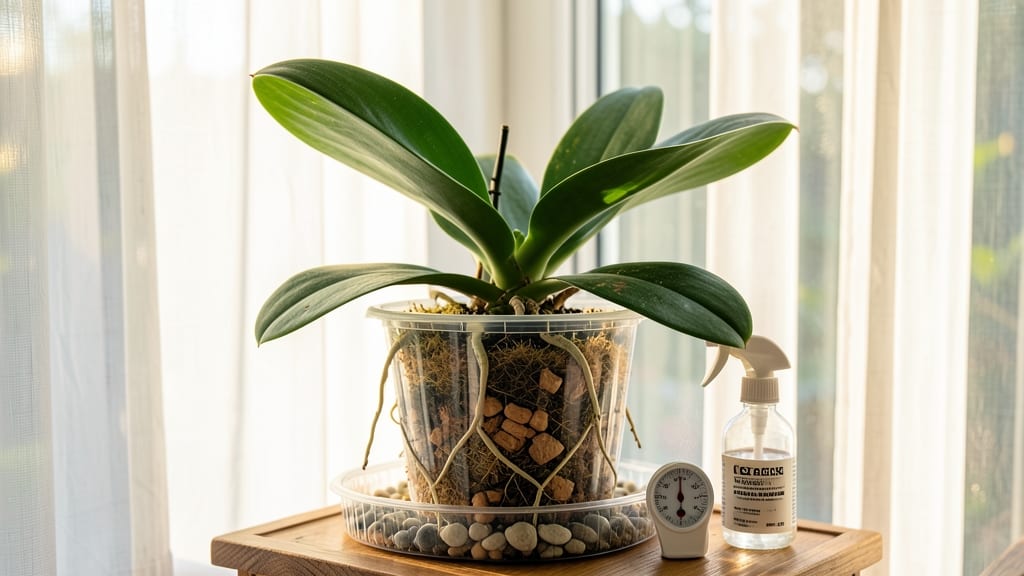
How to grow orchids in a sunroom unlocks their full potential—year-round blooms that outshine store-bought flowers. ✨ My first sunroom orchid, a Phalaenopsis, bloomed for 12 weeks straight after I adjusted the light just right. The secret isn’t fancy equipment; it’s understanding how sunrooms create the perfect balance of light, warmth, and protection from pests.
Sunrooms give orchids exactly what they crave: bright, indirect light without harsh afternoon sun. You’ll need varieties like Phalaenopsis or Dendrobium, which thrive in these conditions, plus a humidity tray or pebble tray to mimic their tropical homes.
Watering becomes simple—just soak the roots when the top inch of mix feels dry, and always use room-temperature water.
What you’ll end up with is a sunroom that feels like a greenhouse, where orchids grow faster and bloom longer than in any other indoor spot. The air stays fresh, the roots stay healthy, and you avoid the common pitfalls of overwatering or temperature swings that kill houseplants.
Works for any sunroom size, from small conservatories to full-wall additions. Here’s how to set it up without the guesswork—no green thumb required, just patience and a little attention to light.
📚 In This Guide
- What you need
- Instructions
- Tips and common mistakes
- Wrapping up and next steps
What you need
- ● Orchid pots: 4–6-inch pots with drainage holes (2–3 per orchid, depending on size). Opt for plastic (for humidity retention) or clay (for aeration).
- ● Orchid mix: 1–2 bags of bark-based or sphagnum moss mix (sterilized, not regular potting soil).
- ● Orchids: 3–5 healthy plants (choose Phalaenopsis, Cymbidium, or Dendrobium for sunroom success).
- ● Watering can: 1 with a rose attachment (for gentle watering).
- ● Humidity tray: 1–2 shallow trays with pebbles (to boost humidity).
- ● Fertilizer: 1 bottle of balanced orchid fertilizer (20-20-20 or 10-10-10, diluted to half-strength).
- ● Pruners: 1 pair of sterilized scissors (for trimming spent spikes).
- ● Thermometer/hygrometer: 1 (to monitor temperature 60–80°F and humidity 40–70%).
- ● Grow lights: 1–2 LED or fluorescent lights (12–14 hours/day if sunroom lacks bright light).
- ● Orchid stakes: 3–5 bamboo or plastic stakes (for support).
- ● Misting bottle: 1 (for daily humidity checks).
- ● Pest control: Neem oil or insecticidal soap (for aphids or spider mites).
- ● Decorative elements: 1–2 pebbles, moss, or decorative pots (for a sunroom-ready look!).
Step-by-step instructions for growing orchids in a sunroom
Here's how to transform your sunroom into an orchid paradise with consistent blooms.
🪴 Step 1: Select the Right Orchid Varieties for Sunroom Conditions
Phalaenopsis (moth orchids) and Oncidium (dancing lady orchids) thrive in sunrooms because they tolerate moderate light and steady temperatures. I always start with these two varieties—they're the most forgiving for beginners. Avoid Cattleyas or Dendrobiums unless your sunroom has very bright, indirect light and good airflow.
Check the leaf color of your orchids: deep green means they need more light, while silvery or reddish hues indicate they're getting too much. Most sunrooms provide 1,000-2,000 foot-candles of light, which is perfect for these varieties. If your sunroom faces south, you'll likely need sheer curtains to diffuse harsh afternoon sun.
☀️ Step 2: Position Orchids for Optimal Light Exposure
Place orchids 3-6 feet from the sunroom window, depending on the intensity of the light. East-facing windows provide the gentlest morning light, while west-facing windows can get too hot in summer afternoons. I position mine on a rotating plant stand so they get even light exposure on all sides.
Watch for yellowing leaves or brown tips—these are signs of too much direct sun. If you notice the leaves developing a reddish tint, they're getting too much heat. In winter, supplement natural light with a 10,000-lumen LED grow light for 12-14 hours daily to prevent leggy growth and encourage blooming.
💧 Step 3: Master the Watering Routine for Sunroom Orchids
Water orchids once a week in summer and every 10-14 days in winter, but always check the potting mix first. Stick your finger 1 inch deep—if it feels dry, it's time to water. Overwatering is the #1 killer of sunroom orchids, so never let them sit in soggy conditions.
Use room-temperature water and water until it runs freely from the drainage holes. I like to place orchids in a sink and let water flow through the pot for 30-60 seconds, then let them drain completely. After watering, I give them 10-15 minutes to dry before returning them to their spot—this prevents root rot in the humid sunroom environment.
✂️ Step 4: Encourage Blooming with Strategic Care
After an orchid finishes blooming, cut the flower spike only if it turns completely brown. If it's still green, leave it—new blooms often grow from the nodes. I also fertilize my orchids every 4 weeks with a balanced 20-20-20 fertilizer diluted to half strength during active growth and full strength in winter to promote blooming.
Provide a 10°F temperature drop at night for 2-3 weeks to trigger blooming. In a sunroom, this means moving orchids to a cooler part of the room at night or using a small cooling fan on low. You'll see flower spikes emerge in 8-12 weeks—this is your reward for consistent care.
🌿 Step 5: Maintain Humidity and Airflow for Healthy Growth
Sunrooms often have low humidity, which orchids love. I place a humidifier nearby or set up a pebble tray with water and pebbles under the orchid pots. Keep humidity between 40-70%—any lower, and the leaves will dry out and crisp at the edges.
Ensure gentle airflow by opening windows occasionally or using a small fan on low near the orchids. This mimics their natural tropical habitat without creating drafts. Avoid placing orchids near vents or air conditioning units, as sudden temperature changes stress the plants and can cause buds to drop before opening.
Tips & tricks for perfect sunroom orchid care
Here's what nobody tells you about creating that perfect sunroom environment for your orchids.
Light Monitoring: Use a light meter app on your phone to check foot-candles in different spots. I place my orchids where they receive 1,000-2,000 foot-candles—this sweet spot matches the instructions perfectly. For east-facing windows, I rotate plants weekly to ensure even exposure, while west-facing windows require more frequent monitoring for heat stress. That reddish tint on leaves? It's your warning sign to move them back 6 inches.
Watering Technique: The 10-15 minute drying period after watering is non-negotiable—this prevents root rot in sunrooms where humidity naturally climbs. I've learned the hard way that skipping this step leads to mushy roots. Pro tip: Use a spray bottle to mist orchids between waterings if your sunroom's humidity drops below 40%. This mimics the tropical conditions they crave without overwatering.
Blooming Trigger: That 10°F nighttime drop for 2-3 weeks is your secret weapon for blooming. In my sunroom, I achieve this by moving orchids to a cooler part of the room at night. For those winter months when natural temperature drops aren't enough, a small cooling fan on low near the plants works wonders. Watch for flower spikes to emerge in 8-12 weeks—this is your reward for patience and precision.
Equipment Upgrade: Invest in a 10,000-lumen LED grow light if your sunroom lacks sufficient winter light. I position mine on a timer for 12-14 hours daily to prevent leggy growth. The key is to place it 12-18 inches above the plants—closer than this can scorch leaves, while farther away won't provide enough intensity. This simple upgrade has doubled my orchid's blooming frequency during shorter days.
Pro Tips for Grow Orchids In A Sunroom
- Here's what nobody tells you about creating that perfect sunroom environment for your orchids.
- Light Monitoring: Use a light meter app on your phone to check foot-candles in different spots.
- Watering Technique: The 10-15 minute drying period after watering is non-negotiable—this prevents root rot in sunrooms where humidity naturally climbs.
Frequently asked questions
Got questions?
Growing orchids in a sunroom is rewarding, but it’s natural to have a few doubts along the way. Here are answers to the most common questions—so you can keep your orchids thriving without the guesswork!
How much sunlight is too much for orchids in a sunroom?
Orchids love bright, indirect light—think of it like a sunroom’s version of dappled forest shade. If leaves turn yellow or crispy, they’re getting scorched. Use sheer curtains or place them 3–5 feet from the window. A north- or east-facing window is ideal, while south/west-facing spots need extra filtering.
How often should I water orchids in a sunroom?
Sunrooms can dry out faster than you’d expect! Water orchids once a week (or when the potting mix feels slightly dry to the touch). Drainage is key—empty the tray after 10–15 minutes to avoid root rot. Pro tip: Mist the leaves occasionally if humidity drops below 40% (a hygrometer helps!).
What’s the best temperature range for orchids in a sunroom?
Orchids thrive between 60–80°F during the day and 55–65°F at night. Sunrooms can get too hot (or too cold in winter), so monitor with a thermometer. If temps spike above 85°F, move them to a cooler spot or use a fan. A cool nighttime dip (like 50–55°F) even encourages blooming!
Why are my orchid leaves turning yellow or spotted?
Yellow leaves often mean overwatering or poor drainage, while brown spots could signal sunburn or pests (like spider mites). Check the roots—if they’re mushy, reduce watering. For spots, wipe leaves with soapy water and adjust light. Fertilizer burn (from over-fertilizing) can also cause discoloration. Dilute fertilizer to half-strength and apply monthly during active growth.
Can I grow orchids in a sunroom without grow lights?
Sunrooms with natural light work great, but if your space is dim (e.g., deep in the house or with heavy shading), supplement with LED grow lights (12–14 hours/day). Place lights 6–12 inches above the plants. For budding orchids, a cool-white LED mimics natural light perfectly—no fancy setup needed!
Wrapping up and next steps
Growing orchids in your sunroom is a rewarding journey that brings beauty and life into your space year-round! With the right balance of light, humidity, and care, you’ll enjoy stunning blooms and lush foliage—even in cooler months. 🌸 Start small, stay patient, and let your green thumb shine!
Next steps:
- Pick a single orchid variety to begin (like Phalaenopsis or Cattleya) and gather your supplies.
- Monitor your sunroom’s conditions weekly and adjust as needed.
- Share your progress with fellow plant lovers—inspiration grows together! 🌱