
Size
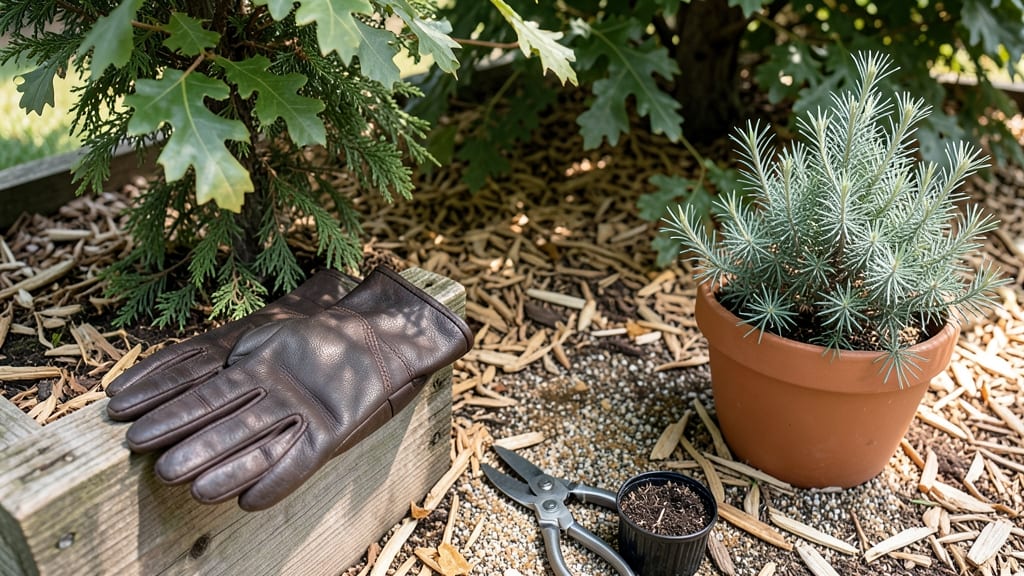
How to grow juniper transforms any yard into a fragrant, textured sanctuary. 🌿 I planted my first juniper bush five years ago, and it’s now the star of my low-maintenance landscape—year-round green, wildlife-friendly, and impossible to kill. The secret lies in its adaptability: juniper thrives in full sun or partial shade, tolerates poor soil, and needs water only when the top inch of soil feels dry. Most varieties grow slowly, so you won’t need to prune often—just shape occasionally to keep it tidy. By the end of the first year, you’ll see sturdy new growth, and within three years, your juniper will be dense enough to block wind or frame a garden bed. The best part? It smells amazing when brushed against, adding another sensory layer to your outdoor space. Perfect for borders, hedges, or container gardens—this evergreen delivers beauty with almost no effort. Let’s get you growing!
📚 In This Guide
- What you need
- Instructions
- Tips and common mistakes
- Wrapping up and next steps
What you need
- ● Juniper plants: Choose between container-grown (1-3 gallon pots) or bare-root (dormant season only). Quantity depends on spacing—plant 3–5 feet apart for shrubs or 1–2 feet apart for hedges.
- ● Well-draining soil: Juniper thrives in sandy, loamy, or rocky soil with a pH of 5.0–8.0. Amend heavy clay with compost or perlite (1 part to 3 parts soil).
- ● Organic mulch: 2–3 inches of pine straw, wood chips, or gravel to retain moisture and regulate soil temperature.
- ● Watering can or hose: With a gentle spray nozzle to avoid disturbing soil.
- ● Pruning shears: Bypass pruners (sharp, clean) for shaping or thinning.
- ● Garden gloves: Heavy-duty to protect against thorns (especially on varieties like Juniperus horizontalis).
- ○ Soil test kit: To check pH and nutrient levels (optional but helpful for troubleshooting).
- ● Transplanting spade: For digging holes twice as wide as the root ball.
- ● Fertilizer: Low-nitrogen, slow-release (e.g., 5-10-5) only if soil is poor. Juniper is low-maintenance!
- ● Stakes & twine: For young plants in windy areas (use biodegradable options).
- ● Deer repellent: Spray or fence if local wildlife is a concern (juniper is deer-resistant but not immune!).
Step-by-Step instructions for growing juniper successfully
Juniper thrives with minimal fuss—just follow these steps for strong, aromatic plants that reward you for years.
🪴 Step 1: Choose the Right Location and Soil
Juniper loves full sun—at least 6 hours daily—but tolerates partial shade in hot climates. I always pick a spot with good airflow to prevent fungal issues. The soil should drain like sand, so amend heavy clay with 2-3 inches of coarse sand or gravel per hole.
Juniper roots hate soggy feet, so avoid low spots where water pools. If your soil is compacted, loosen it to a depth of 12-18 inches with a garden fork. A slightly acidic to neutral pH (6.0-7.5) works best—test your soil if unsure.
🌱 Step 2: Plant at the Correct Depth and Spacing
Dig a hole twice as wide as the root ball but only as deep as the container’s base. Juniper roots are shallow but spread wide, so spacing matters. For 4 plants, arrange them 6-10 feet apart—closer spacing creates a dense hedge, while wider spacing lets them grow into small trees.
Remove the plant from its container and tease the roots gently if they’re circling. Place it in the hole so the top of the root ball sits level with the surrounding soil—burying too deep suffocates the plant. Backfill with native soil, tamping lightly to eliminate air pockets.
☀️ Step 3: Water Deeply and Mulch Properly
Give newly planted juniper a deep watering—enough to moisten the soil 12 inches down. After that, water only when the top 2 inches of soil feel dry, usually once every 1-2 weeks unless it’s extremely hot. Overwatering is the fastest way to kill juniper.
Spread 2-3 inches of mulch (like pine straw or gravel) around the base, keeping it 3 inches away from the trunk to prevent rot. Mulch conserves moisture and keeps roots cool in summer. Avoid organic mulches that smother the plant—juniper thrives with air around its roots.
✂️ Step 4: Prune for Shape and Health
Juniper needs little pruning, but you can shape it lightly in early spring before new growth starts. Use clean, sharp shears to trim back overgrown branches to a natural shape. Cut just above a leaf joint to encourage bushier growth.
Remove any dead, diseased, or crossing branches immediately. If your juniper grows leggy, prune the top 1/3 of the tallest stems to encourage fuller growth. Never prune more than 1/3 of the plant at once—juniper recovers slowly from heavy cuts.
🌿 Step 5: Maintain Through the Seasons
In winter, juniper’s blue-green needles stay vibrant with minimal care. If heavy snow bends branches, gently brush it off to prevent breakage. In spring, fertilize lightly with balanced 10-10-10 if the soil is poor, but skip fertilizer in well-draining soil.
Watch for spider mites or bagworms—spray with neem oil if you spot webbing or chewed needles. Juniper is drought-tolerant once established, but young plants may need occasional watering during prolonged dry spells. With proper care, your juniper will thrive for decades.
Tips & tricks for perfect juniper growth
Here’s what nobody tells you about keeping your juniper thriving for years—these are the details that make all the difference.
Soil Drainage is Non-Negotiable: In Step 1, when amending heavy clay with 2-3 inches of coarse sand or gravel, go the extra mile by creating a small mound in the planting hole. This ensures water flows away from the roots immediately after watering. I learned this the hard way after losing two plants to root rot—juniper roots will forgive many things, but soggy soil isn’t one of them.
The Planting Depth Secret: When placing your juniper in Step 2, use a small wooden stake to mark the original soil level on the root ball before planting. This visual reference prevents accidentally burying the plant too deep, which suffocates the stem. The top of the root ball should sit flush with the surrounding soil—no higher, no lower.
Watering Wisdom: That initial deep watering in Step 3 should moisten soil 12 inches down, but here’s the trick: use a trowel to check moisture before watering again. Stick it into the soil—if it comes out dry at the 2-inch mark, it’s time. Overwatering is the #1 killer of juniper, so resist the urge to keep the soil damp. Think "thoroughly wet, then dry."
Pruning Timing Matters: In Step 4, when shaping your juniper in early spring, time your cuts just as new growth begins to emerge. This encourages bushier growth because you’re pruning just before the plant’s natural energy surge. Avoid pruning in late summer—new growth won’t harden off before winter, making it vulnerable to frost damage.
Pro Tips for Grow Juniper
- Here’s what nobody tells you about keeping your juniper thriving for years—these are the details that make all the di...
- Soil Drainage is Non-Negotiable: In Step 1, when amending heavy clay with 2-3 inches of coarse sand or gravel, go the...
- The Planting Depth Secret: When placing your juniper in Step 2, use a small wooden stake to mark the original soil le...
Frequently asked questions
Got questions about growing juniper? You’re not alone! Here are some of the most common concerns—plus straightforward answers to help you cultivate healthy, thriving plants with ease.
How fast do juniper bushes grow?
Juniper growth varies by species, but most grow slowly—about 6 to 12 inches per year. Dwarf varieties (like Juniperus horizontalis) may add just 1–3 inches annually. Patience is key! Prune lightly to shape as needed, but avoid over-trimming, which can stress the plant.
Can juniper survive winter in cold climates?
Junipers are hardy perennials and thrive in USDA Zones 3–9. Most varieties handle frost and snow without issue. For extra protection in Zone 3 or below, mulch the base with 3–4 inches of organic matter (like pine straw) to shield roots from extreme cold.
How often should I water a juniper plant?
Once established (1–2 years old), junipers are drought-tolerant and need water only during prolonged dry spells. Water deeply but infrequently—about 1 inch per week—and avoid soggy soil. Newly planted junipers require weekly watering until roots establish.
What pests or diseases should I watch for?
Junipers are generally low-maintenance, but keep an eye out for spider mites, bagworms, or juniper scale. Treat infestations early with neem oil or insecticidal soap. Fungal issues (like canker) are rare but can occur in overly wet conditions. Improve airflow and avoid overhead watering to prevent problems.
Can I grow juniper in containers? Yes—but here’s how!
Dwarf junipers (under 3 feet tall) thrive in containers with well-draining soil and a pot at least 12 inches deep. Use a fast-draining mix (like cactus/succulent blend) and ensure the pot has drainage holes. Repot every 2–3 years to refresh soil and prevent root bound.
Wrapping up and next steps
Growing juniper is a rewarding journey that brings year-round beauty, texture, and low-maintenance charm to your garden or landscape. Whether you’re drawn to its fragrant foliage, wildlife-friendly traits, or drought-resistant nature, these evergreens thrive with just a little patience and care.
Now that you’re equipped with the right knowledge—from soil prep to pruning—roll up your sleeves and plant that first cutting or sapling!
Ready to elevate your outdoor space? Browse our juniper varieties or connect with local nurseries to find the perfect match for your climate. Happy gardening! 🌿✨