Propagation
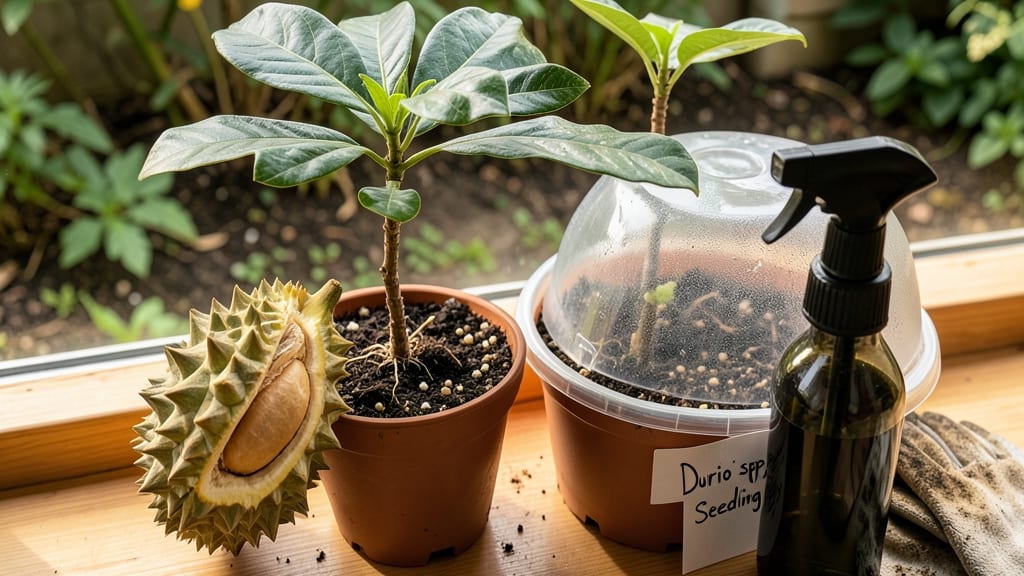
That first green shoot from a durian seed feels like magic. 🌱 I cracked open my first seed after a trip to Southeast Asia, and within weeks, I had a tiny sprout that would one day grow into a tree taller than my roof.
The journey from seed to sapling takes patience—six months of careful nurturing before you even see real growth—but the reward is watching a tropical giant take shape in your own yard.
You’ll need just three things to start: fresh seeds (not dried), a warm spot with bright indirect light, and a mix of peat moss and perlite to keep things airy. Durian seeds are finicky—only about 30% germinate, and even then, growth is slow.
But when that first leaf unfurls, it’s worth every day of waiting. The key is consistency: keep the soil damp (not soggy) and the temperature above 70°F at all times.
By month six, your seedling will have a sturdy stem and a few sets of leaves, ready for its first transplant into a larger pot. This is where the real work begins—durian trees need space, so plan for a permanent spot in full sun once they’re a few feet tall.
The smell of fresh soil and the sight of new leaves will remind you why you started this long-term project.
Fair warning: fruiting takes 10-15 years, but the early stages are where the real joy lies. Every new leaf is a step closer to that first durian—if you’re lucky enough to live in a tropical climate.
Even if you don’t, growing one from seed is a fascinating challenge that connects you to the rainforests of Southeast Asia, one tiny sprout at a time.
📚 In This Guide
- What you need
- Instructions
- Tips and common mistakes
- Wrapping up and next steps
What you need
- ● Durian seeds: 3–5 fresh, healthy seeds (preferably from a ripe, organic durian—avoid store-bought seeds treated with preservatives).
- ● Well-draining potting mix: 1–2 bags of a blend designed for tropical plants or seedlings (e.g., 60% coconut coir, 30% perlite, 10% compost).
- ● Small pots or seed trays: 3–5 biodegradable pots (4–6 inches in diameter) or a seed tray with drainage holes.
- ● Drainage material: Small pebbles, broken terracotta pots, or hydroponic clay balls (1–2 inches layer at the bottom of each pot).
- ● Spray bottle: For gentle watering (avoid over-saturation).
- ○ Plastic wrap or humidity dome: To create a mini greenhouse effect (optional but helpful for germination).
- ● Fertilizer: A balanced, water-soluble fertilizer (e.g., 10-10-10 NPK ratio) for seedlings after sprouting.
- ● Grow lights: LED or fluorescent lights (if natural sunlight is limited).
- ● Humidity tray: A shallow tray with water and pebbles to maintain moisture levels.
- ● Pruning shears: Small, sharp scissors for trimming excess growth as the seedling matures.
- ● pH testing kit: To monitor soil acidity (durian prefers slightly acidic soil, pH 5.5–6.5).
- ● Support stakes: For when the seedling grows taller (3–4 feet).
Step-by-step instructions for growing durian trees from seed
Let’s turn those seeds into strong saplings ready for your tropical garden.
🌱 Step 1: Extract and Prepare the Seeds
Start by carefully removing the seeds from a ripe durian fruit—wear gloves, as the flesh stains and smells strong. The seeds are large, brown, and oval-shaped, with a hard outer shell. Rinse them under cool running water to remove any pulp residue, then let them air-dry for 24 hours on a paper towel.
Once dry, inspect each seed for cracks or soft spots. Discard any damaged ones—they won’t sprout. Soak the remaining seeds in warm water for 12-24 hours to soften the shell slightly. This step speeds up germination by breaking down the tough outer layer. I like to place them in a mesh bag and submerge it in water, changing it every 4-6 hours to prevent mold.
🪴 Step 2: Plant Seeds in Moist, Well-Draining Soil
Fill small pots—4-6 inches deep—with a mix of 50% potting soil and 50% perlite or coarse sand to ensure drainage. Durian seeds rot easily if waterlogged, so this blend prevents soggy roots. Plant one seed per pot, burying it 1 inch deep with the pointed end facing upward.
Press the soil gently around the seed to secure it, then water lightly until the top inch feels moist but not soggy. Place the pots in a warm, humid environment—think 75-85°F—like a greenhouse or near a humidifier. Cover the pots loosely with plastic wrap to retain moisture, but leave a small gap for airflow. Check daily and mist the soil if it feels dry to the touch.
☀️ Step 3: Provide Warmth and Indirect Light
Durian seeds germinate best in bright, indirect light—no direct sun yet. Place the pots under a grow light or in a spot with dappled sunlight, like near an east-facing window. Avoid cold drafts or temperature swings, as they slow germination. You’ll see the first signs of life in 2-4 weeks, when a small sprout emerges from the soil.
Once the sprout reaches 2-3 inches tall, remove the plastic wrap completely. At this stage, the seedling is fragile, so water carefully—only when the top inch of soil feels dry—to avoid disturbing the roots. If the leaves yellow or wilt, you’re overwatering. Durian seedlings need consistent moisture, not soggy conditions.
🌿 Step 4: Transplant and Train for Strong Growth
After 3-4 months, when the seedling has 4-6 true leaves and a sturdy stem, transplant it into a larger pot—8-10 inches deep—with fresh potting mix. Handle the seedling gently by its leaves, not the stem, to avoid damage. Durian trees grow fast, so choose a pot with drainage holes and room to expand.
Move the pot to a sunny location with 6+ hours of direct sunlight daily. If outdoors, acclimate it gradually to prevent shock—start with 1 hour of sun per day, then increase over 1-2 weeks. Prune any leggy growth by pinching back the tips to encourage bushier growth. Fertilize lightly with a balanced, water-soluble fertilizer every 2 months to support steady development.
⏰ Step 5: Prepare for Long-Term Care and Potential Fruit
By 6 months, your durian seedling should be 2-3 feet tall with a thick trunk. At this stage, it’s ready for its final pot—12+ inches deep—or outdoor planting in USDA Zones 10-11. Durian trees are tropical and need year-round warmth; if you live in a cooler climate, grow it as a container plant and bring it indoors during winter.
Real talk: Durian trees grown from seed may take 10-15 years to fruit, and the fruit won’t match store-bought quality. But the journey is rewarding—watch the broad leaves, the rapid growth, and the unique tropical vibe it brings. Keep the soil moist, feed it occasionally, and enjoy the process. Patience is key here!
Tips & tricks for growing durian trees from seed
Here's what nobody tells you about nurturing these tropical giants from scratch.
Seed Selection: Choose the largest, firmest seeds you can find—size matters! The bigger the seed, the more energy it has stored for germination. I've found that seeds from fully ripe durians (the ones that smell like heaven and have soft flesh) tend to sprout more reliably. If you're working with multiple seeds, pick the ones that feel heaviest for their size—they'll have the most energy reserves.
Soaking Strategy: That 12-24 hour soak is your secret weapon against the tough outer shell. I've learned the hard way that changing the water every 4-6 hours prevents mold while keeping the seeds hydrated. Pro tip: Use a mesh bag to keep seeds contained while soaking—it makes draining and transferring to soil much easier. The goal is to soften the shell just enough to allow roots to emerge without over-soaking.
Environmental Consistency: Durian seeds are tropical divas—they demand warmth and humidity. If your home stays below 75°F, consider using a seedling heat mat (set to 85°F) under the pots. I've seen germination rates drop dramatically when temps dip below 70°F. For humidity, a simple plastic tent over the pots works wonders—just remember to remove it once sprouts appear to prevent fungal issues.
Transplant Timing: Wait until your seedling has 4-6 true leaves before transplanting—this shows it's strong enough to handle the move. I can't stress enough how delicate these early stages are. When you do transplant, use the "leaf-grab" method: hold the seedling by its leaves near the base, not the stem. This prevents stem damage that could stunt growth for months.
Pro Tips for Grow Durian From Seed
- Here's what nobody tells you about nurturing these tropical giants from scratch.
- Seed Selection: Choose the largest, firmest seeds you can find—size matters! The bigger the seed, the more energy it ...
- Soaking Strategy: That 12-24 hour soak is your secret weapon against the tough outer shell. I've learned the hard way...
Frequently asked questions
Got questions about growing durian from seed?
You’re not alone—this tropical fruit is finicky, and patience is key! Here are the most common queries with straightforward answers to help you succeed.
How long does it take for a durian seed to sprout?
A durian seed typically sprouts within 2–4 weeks if kept in warm, moist conditions (around 75–85°F). If it takes longer, check for consistent moisture and good airflow. Avoid overwatering—soggy soil can rot the seed before it germinates. Pro tip: Soak the seed in water for 24 hours before planting to speed up germination.
Can I grow a durian tree indoors?
Durian trees thrive outdoors in tropical climates (USDA zones 10–12) but can start indoors as seedlings. Place them near a sunny window or under grow lights for 6+ hours daily. Once the tree reaches 3–5 feet, transplant it outside—durian trees need full sun and humidity to bear fruit. Warning: Indoor durians rarely fruit; they’re better as ornamental plants.
Will my homegrown durian taste as good as store-bought?
Probably not—commercial durians are grafted for consistent flavor, sweetness, and aroma. Seed-grown durians may take 10–15 years to fruit and often produce smaller, less fragrant fruit. That said, the adventure (and bragging rights!) make it worth it. Fun fact: Some gardeners graft wild durians onto rootstock for better results.
Why are my durian seedlings wilting or turning yellow?
Wilting or yellowing leaves usually signal overwatering, pests, or poor drainage. Check for:
- Root rot: Let soil dry slightly between waterings.
- Pests: Inspect for aphids or mites (spray with neem oil if needed).
- Nutrient deficiency: Use a balanced fertilizer (10-10-10) every 2–3 months.
Ensure pots have drainage holes and use well-draining soil (like a mix of coconut coir and perlite).
Can I grow durian from a store-bought fruit?
Yes! Just save the seed after eating the flesh, rinse it, and let it dry for a day before planting. However, store-bought durians are often hybrid varieties, so the tree may not produce fruit identical to the parent. For better results, source seeds from a local nursery or durian farmer in tropical regions.
What’s the best climate for durian trees?
Durian trees love heat and humidity—ideal conditions include:
- Temperatures: 70–90°F year-round (no frost!).
- Rainfall: 60+ inches annually (drought stress = poor growth).
- Soil: Well-draining, slightly acidic (pH 4.5–6.5).
If you’re in a cooler climate, grow durian as a container plant and bring it indoors during winter. Bonus: Group plants together to boost humidity!
Wrapping up and next steps
Growing a durian from seed is a rewarding journey that blends patience with the joy of nurturing life! 🌱 While it may take 6 months or more to see your first sprouts and years for fruit, every step—from selecting the right seed to providing the ideal tropical environment—is a chance to connect with nature.
Don’t let the wait discourage you; embrace the process, learn along the way, and celebrate even the smallest victories, like that first leaf unfurling.
Ready to take the next step? Start small: plant your seed today, monitor its progress, and document your experience. Who knows? You might just grow more than a tree—you could cultivate a passion for tropical gardening! Share your journey with fellow plant enthusiasts and keep the excitement alive. 🌟