
Size
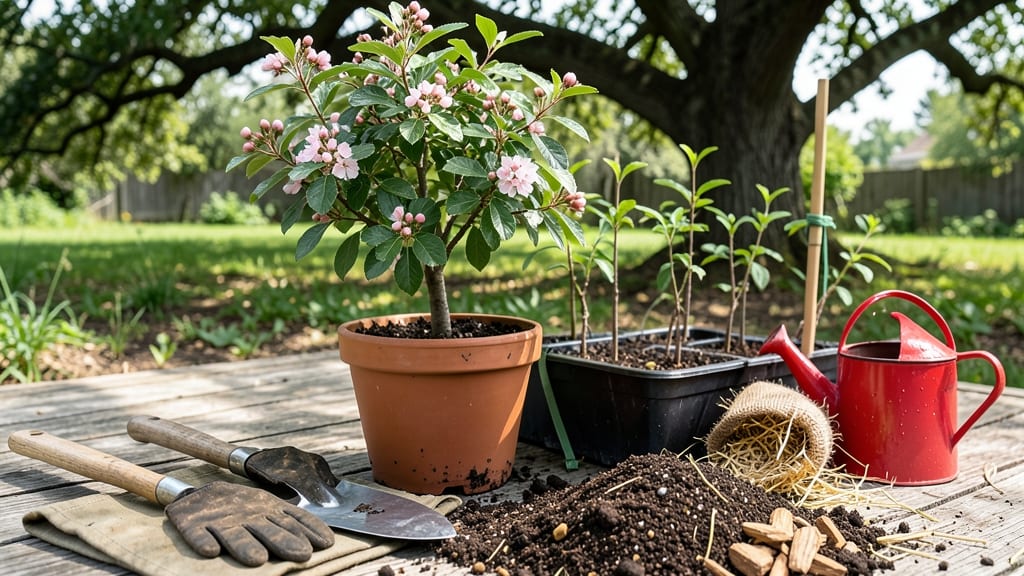
How to grow cherries at home doesn’t require an orchard—just a sunny spot. 🌱 I’ve grown them in containers and small yards, and the key is choosing the right variety for your space. Dwarf trees like 'Stella' or 'Sweetheart' produce fruit in just 3-4 years, while standard trees take longer but yield bigger harvests.
The secret starts with soil: rich, well-draining, and slightly acidic (6.0-6.5 pH). Plant in early spring when the ground is workable, giving roots time to establish before summer heat. Containers need at least a 15-gallon pot for dwarf varieties, with drainage holes to prevent root rot.
By summer, you’ll see lush foliage and tiny blossoms—then the wait begins. Cherries need full sun (6+ hours daily) and consistent watering (1-2 inches per week), but too much water stresses the tree.
Prune in late winter to shape the tree and remove dead wood, ensuring airflow to prevent fungal diseases.
Harvest time arrives in late spring or early summer, depending on your variety. The first year might be sparse, but with patience, you’ll enjoy homegrown cherries for decades. Even in small spaces, a cherry tree is a sweet investment—just give it time to flourish.
📚 In This Guide
- What you need
- Instructions
- Tips and common mistakes
- Wrapping up and next steps
What you need
- ● Cherry tree saplings: Choose dwarf varieties (like Stella® or Montmorency) for containers or small yards. Buy from a reputable nursery (1-2 trees for pollination if self-unfruitful).
- ● Well-draining soil: Mix equal parts potting soil, compost, and perlite (or sand) for containers. For in-ground planting, amend clay soil with compost and sand.
- ● Containers (if applicable): Use large pots (15-20 gallons) with drainage holes for dwarf trees. Ensure they’re at least 18" deep and wide.
- ● Organic fertilizer: Slow-release granular fertilizer (10-10-10 or 8-3-9) or compost tea for nutrients.
- ● Mulch: Wood chips or straw to retain moisture and regulate soil temperature.
- ● Trowel or shovel (for planting)
- ● Pruning shears (sterilized with rubbing alcohol)
- ● Watering can or hose with a gentle nozzle
- ● pH testing kit (ideal soil pH: 6.0–6.5)
- ● Support stakes (for young trees in windy areas)
- ○ Drip irrigation system (optional but helpful for containers)
- ● Sunlight: Full sun (6–8 hours daily). Partial shade may reduce fruit production.
- ● Climate: Hardy to USDA Zones 5–9 (choose cold-hardy varieties for colder regions).
- ● Space: Dwarf trees need 6–8 feet of space; standard trees require 15+ feet.
- ● Patience: Trees take 3–5 years to bear fruit!
- ● 🌿 Cross-pollination: Plant two compatible cherry varieties (e.g., Stella® + Black Tartarian) for better yields.
- ● 🍒 Container hack: Add a layer of gravel at the pot’s bottom to improve drainage.
- ● 🐞 Pest prevention: Inspect leaves regularly for aphids or mites (neem oil helps!).
Step-by-step instructions for growing cherries at home
Here's my foolproof method for growing sweet cherries—whether you have a tiny patio or a small yard.
🌱 Step 1: Choose the Right Cherry Variety for Your Space
Not all cherries thrive in containers or small yards, so pick a dwarf variety like 'Stella' or 'Compact Stella'—these stay under 10 feet tall and produce fruit in 3-4 years. Self-pollinating types (like 'Compact Stella') eliminate the need for a second tree. Check your USDA hardiness zone—most dwarf cherries grow well in zones 5-8.
If you're growing in containers, opt for potted cherry trees designed for large pots (minimum 15-gallon size). These need full sun (6+ hours daily) and well-draining soil. I always plant mine in early spring after the last frost—cherry trees hate soggy roots and cold soil.
☀️ Step 2: Prepare the Planting Site or Container
For in-ground planting, choose a spot with at least 6 hours of direct sun and good drainage. Dig a hole twice as wide as the root ball but only as deep—planting too deep can suffocate the tree. If your soil is heavy clay, mix in 2-3 inches of compost to improve drainage.
For containers, use a fast-draining potting mix (never garden soil—it compacts and rots roots). I blend 50% potting mix, 30% perlite, and 20% compost for the best results. Place 4-6 inches of gravel at the bottom of the pot to prevent waterlogging. The container must have drainage holes—no exceptions.
🌿 Step 3: Plant and Support Young Cherry Trees
Gently remove the tree from its nursery pot and loosen the roots if they're circling. Place it in the hole or container so the graft union (the bump near the base) sits 1-2 inches above soil level. This prevents disease and ensures strong regrowth. Fill in with soil, pressing lightly to remove air pockets.
Stake the tree immediately with a 4-5 foot tall stake and soft tree tie—cherry trees grow top-heavy and need support. Water deeply right after planting to settle the soil. Mulch with 2-3 inches of wood chips, keeping it 6 inches away from the trunk to prevent rot. This keeps roots cool and conserves moisture.
💧 Step 4: Water and Fertilize for Healthy Growth
Water deeply once a week (or more in extreme heat) until the tree establishes roots—usually 1-2 years. You'll know it's getting enough water when the top 2 inches of soil feel dry to the touch. Overwatering is the #1 killer of young cherry trees, so never let the pot sit in standing water.
Fertilize in early spring with a balanced fruit tree fertilizer (10-10-10 ratio). Follow the package instructions, but halve the dose the first year—young trees don’t need much. Avoid high-nitrogen fertilizers after June—they encourage leafy growth at the expense of fruit production. I also add 1 cup of Epsom salt in early spring for magnesium, which prevents yellowing leaves.
✂️ Step 5: Prune and Protect for Fruit Production
Prune in late winter or early spring before buds swell. Remove dead, crossing, or weak branches first, then shape the tree to open the center for airflow. Aim for an open vase shape—this lets sunlight reach all fruit. Never prune more than 25% of the tree in one year, or it’ll stress out.
Protect young trees from late frosts (below 28°F) with a frost cloth or row cover. Birds love cherries, so cover fruit with netting once flowers appear. Thin fruit when they're walnut-sized, leaving 4-6 inches between cherries. This ensures larger, sweeter fruit and prevents branches from breaking under weight.
Tips & tricks for growing cherries at home
Here's what I learned after growing cherries for years—whether you're working with containers or small yards, these tricks make all the difference.
Variety Selection: When choosing your dwarf cherry variety, look for labels that specify "self-pollinating" or "self-fertile." This means you won't need a second tree to get fruit—something I wish I'd known before planting two trees that never produced! The 'Compact Stella' is my top recommendation because it handles containers beautifully and produces fruit in just 3-4 years. For urban growers, check if your local nursery carries potted cherry trees specifically bred for containers—they're pricier but already adapted to pot life.
Sunlight Strategy: The 6 hours of direct sunlight requirement is non-negotiable, but here's my secret: position your tree to capture morning sun and afternoon shade in hot climates. I've seen trees in full afternoon sun get sunburned leaves—look for slight yellowing or browning on leaves as a warning sign. If you're using containers, rotate them every few weeks so all sides get even sun exposure. This prevents lopsided growth and ensures your tree develops strong branches for fruit-bearing.
Container Care: For container growers, I can't stress enough how critical those drainage holes are—no exceptions! I've seen people skip this and end up with root rot within weeks. Beyond the holes, add a layer of 4-6 inches of gravel at the bottom before your potting mix. This creates a reservoir that prevents water from pooling at the roots. Also, upgrade to a 15-gallon or larger container—smaller pots restrict root growth and limit fruit production. If you're worried about stability, choose a container with a wide base or add weights like pebbles to the bottom.
Frost Protection: The 28°F frost threshold is crucial, but here's how to extend that protection: invest in a frost cloth with a 30°F rating—it gives you an extra 2°F of protection. I've used these to save trees during unexpected late frosts. For container growers, move your pots to a sheltered location (like against a south-facing wall) when frost is forecasted. You can also cover the pot with a blanket or tarp, but leave some airflow to prevent condensation burns on leaves. Timing is everything—cover before sunset and remove after sunrise to avoid overheating during the day.
Pro Tips for Grow Cherries At Home
- Here's what I learned after growing cherries for years—whether you're working with containers or small yards, these tricks make all the difference.
- Variety Selection: When choosing your dwarf cherry variety, look for labels that specify "self-pollinating" or "self-fertile."
- Sunlight Strategy: The 6 hours of direct sunlight requirement is non-negotiable, but here's my secret: position your tree to capture morning sun and afternoon shade in hot climates.
Frequently asked questions
Got questions about growing cherries at home? You’re not alone—many beginners wonder about timing, space, and even pests! Here are answers to the most common queries to help you grow sweet, juicy cherries with confidence.
How long does it take for a cherry tree to bear fruit?
A cherry tree typically takes 3–5 years to produce fruit, depending on the variety and growing conditions. Dwarf varieties may fruit sooner (2–3 years), while standard trees can take longer. Patience is key—focus on healthy growth first!
Can I grow cherries in a container, or do they need a yard?
Yes! Dwarf cherry trees thrive in large containers (at least 15–20 gallons) with proper drainage. Just ensure the pot is deep enough (18–24 inches) and use high-quality potting soil. Place it in full sun (6+ hours daily) for best results.
What are the most common pests or diseases for cherry trees?
Watch for aphids, borers, and fungal diseases like brown rot. To prevent issues:
- Prune for airflow
- Use neem oil for pests
- Remove fallen fruit to reduce fungal spread
When is the best time to plant cherry trees?
The ideal time is late fall or early spring (before buds swell). Avoid extreme heat or frost. If planting in containers, spring is safest—just ensure roots are established before summer.
Do cherry trees need cross-pollination, or can one tree produce fruit?
Most cherry trees require another tree of a compatible variety for pollination (e.g., ‘Stella’ and ‘Lapins’ work well together). Sweet cherries need cross-pollination; sour cherries (like ‘Montmorency’) can self-pollinate but thrive with a partner.
Wrapping up and next steps
Growing cherries at home is a rewarding adventure—whether you’re nurturing a dwarf tree in a pot or cultivating a compact variety in your small yard!
With the right cherry tree variety, container or soil prep, and a little patience, you’ll soon enjoy juicy, homegrown cherries straight from your garden. 🍒
Ready to take the next step? Start by choosing your cherry type (sweet, tart, or self-pollinating) and preparing your space—then watch your sweet harvest grow! Share your progress with fellow gardeners or plan your next fruit-growing project. Happy planting! 🌱