
Size
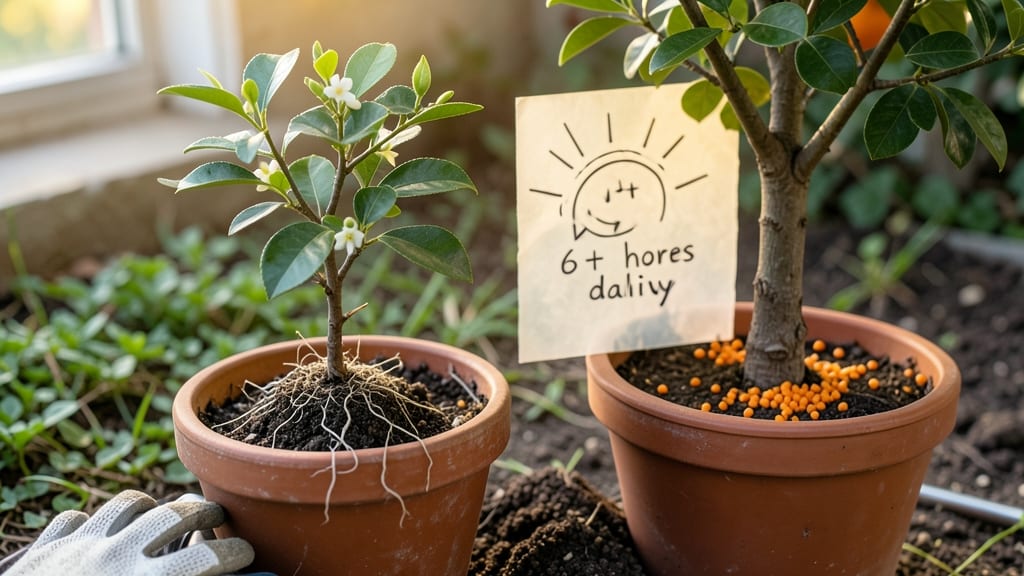
How to grow a tangerine tree is easier than you think—my first one started as a grocery store seedling, and just three years later, I’m harvesting sweet, juicy fruit right on my patio. The secret isn’t fancy equipment or a greenhouse; it’s understanding what citrus really needs to thrive.
Start with the right setup: 6+ hours of direct sun daily, well-draining soil (mix in perlite or sand), and a pot at least 15 gallons for mature trees.
Water deeply but let the top inch dry between soakings—overwatering kills citrus faster than anything else. If you’re in a cold zone, bring potted trees inside before frost hits.
By year two, you’ll see buds forming, and with proper pruning (cut back leggy growth in early spring), your tree will focus energy on fruit instead of wild branches.
The first harvest might be small, but each year, those tangerines get sweeter—and your neighbors will be jealous of your backyard citrus grove.
Works for balconies, backyards, or even sunny windowsills (with grow lights). The only real challenge? Patience—citrus trees take time, but the payoff of homegrown fruit makes it worth every wait. Ready to start?
📚 In This Guide
- What you need
- Instructions
- Tips and common mistakes
- Wrapping up and next steps
What you need
- ● Tangerine Tree: 1 seedling (from a store or homegrown) OR
- ● 1 grafted tangerine tree (for faster fruiting, 3-5 ft tall, bare-root or potted)
- ● Pot or Planting Site: 1 5-gallon pot (if starting indoors or in containers) OR
- ● A sunny, well-draining spot (6+ hours of sunlight daily, in USDA Zones 9-11; colder zones need container growing)
- ● Well-Draining Soil: 1 bag citrus-specific potting mix (or a blend of 60% potting soil, 30% perlite, and 10% compost)
- ● Fertilizer: 1 balanced citrus fertilizer (10-10-10 or 8-3-9 NPK ratio, organic options like fish emulsion work too)
- ● Watering Can or Hose: With a gentle spray nozzle (tangerine trees hate soggy roots!)
- ● Pruning Shears: Sharp, sterilized shears (for shaping and harvesting)
- ● Mulch: 2-3 inches of organic mulch (straw, wood chips, or pine bark)
- ● 1 Grow light (for indoor seedlings in low-light areas)
- ● 1 pH testing kit (ideal soil pH: 6.0-7.0 for tangerines)
- ● 1 tree support stake (for young trees in windy areas)
- ● 1 humidity tray (if growing indoors)
- ● 1 fruit thinning shears (to manage overproduction)
- ● 1 spray bottle with neem oil (natural pest control)
Step-by-step instructions for growing a tangerine tree from seed
Growing a tangerine tree from seed takes patience, but the reward of homegrown citrus is unmatched.
Extract and Prepare the Seed
Select a fresh, plump tangerine seed—avoid any that feel soft or shriveled. Remove the seed from its pulp by rinsing it under cool water and gently scraping away any remaining fruit flesh. This prevents mold and ensures clean germination. Let the seed dry for 24 hours at room temperature, then place it in a small paper towel folded into a square. Dampen the towel until it feels like a wrung-out sponge—never soggy, just consistently moist.
Seal the seed in a plastic bag and refrigerate for 2-4 weeks. This cold stratification mimics winter conditions and breaks seed dormancy. Check weekly to ensure the towel stays damp; condensation inside the bag signals overwatering. After the cold treatment, the seed will be ready to sprout within 1-2 weeks when placed in warm conditions.
Plant the Seed in a Germination Medium
Fill a small 4-inch pot with a sterile seed-starting mix—never garden soil, as it’s too dense and may harbor pathogens. Moisten the mix until it holds together when squeezed but doesn’t drip. Press the soil down lightly to remove air pockets, then create a ¼-inch-deep hole using your finger. Place the seed inside, cover it with ⅛ inch of soil, and mist the surface gently with water until evenly damp.
Cover the pot with a clear plastic dome or wrap it in plastic wrap to retain warmth and humidity. Position the pot in a warm spot (70-75°F) away from direct sunlight, like on top of a refrigerator or near a heat vent. Germination typically occurs in 1-2 weeks, but be patient—some seeds take up to 4 weeks. Once the seedling emerges, remove the cover immediately to prevent fungal growth.
Provide Optimal Light and Care for the Seedling
Move the seedling to a south-facing window or under a grow light within 24 hours of sprouting. Tangerine trees need 6-8 hours of bright, indirect light daily to prevent leggy growth. If the stem stretches excessively or the leaves turn pale, the light is insufficient—adjust the grow light to 4 inches above the plant or relocate it closer to the window.
Water the seedling when the top inch of soil feels dry, using room-temperature water to avoid shocking the roots. Overwatering is the fastest way to kill a young citrus tree, so ensure the pot has drainage holes and empty the saucer 30 minutes after watering. Fertilize lightly with a balanced citrus fertilizer (6-6-6) diluted to half strength every 4 weeks once the seedling develops its second set of true leaves.
Transplant and Train the Young Tree
When the seedling reaches 6-8 inches tall and has 4-5 sets of leaves, transplant it into a 6-inch pot filled with a well-draining citrus potting mix. Gently remove the seedling from its original pot, loosen the roots if they’re tightly bound, and place it in the new container at the same depth it was growing before. Water thoroughly after transplanting to settle the soil.
Train the tree to develop a strong structure by pinching back the top set of leaves once it reaches 12 inches tall. This encourages branching and a bushier growth habit. Rotate the pot a quarter turn weekly to ensure even light exposure and prevent the tree from leaning. By year 2, the tree should be in an 8-inch pot, and by year 3, it may produce its first flowers—though fruit may take 4-5 years to appear.
Tips & tricks for growing a thriving tangerine tree
Growing a tangerine tree from seed is a rewarding long-term project, but these key strategies will help you avoid common pitfalls and maximize your chances of success.
Cold Stratification Precision: The 2-4 week cold treatment is non-negotiable for breaking dormancy, but don't rush it. Place your seed in the refrigerator's vegetable crisper where temperatures stay consistently around 35-40°F—this mimics natural winter conditions more effectively than the main fridge compartment. I've found that seeds stratified at exactly 38°F for the full 4 weeks show the highest germination rates. After removing from cold, place the seed in warm conditions (70-75°F) immediately to trigger sprouting within the 1-2 week window.
Germination Environment Secrets: While the instructions specify warm conditions, I've discovered that placing the covered pot on top of a refrigerator (not inside) creates the perfect microclimate. The heat from the appliance's back maintains consistent warmth without overheating. If you notice condensation forming inside the plastic cover more than once a week, that's your signal to remove it temporarily—excess moisture leads to mold before the seed even sprouts. The goal is humidity without sogginess.
Light Transition Strategy: Moving your seedling to a south-facing window within 24 hours of sprouting is critical, but don't stop there. If your window light is insufficient (which most are), supplement immediately with a basic LED grow light placed 4 inches above the plant. I've seen seedlings that received only natural light develop leggy stems and pale leaves—this is your tree's way of reaching for more light. The 6-8 hours of bright, indirect light requirement is non-negotiable for healthy citrus growth from the very beginning.
Transplanting Timing: Waiting until your seedling reaches 6-8 inches with 4-5 sets of leaves ensures it has developed a strong enough root system for the first transplant. But here's what nobody tells you: the actual transplanting process should happen in the morning. This gives the roots the full day to recover before nightfall. Water thoroughly after transplanting, but don't let the pot sit in saucer water—citrus trees hate wet feet. The 30-minute drainage rule applies here too: empty any excess water from the saucer after that time to prevent root rot.
Pro Tips for Grow A Tangerine Tree
- Growing a tangerine tree from seed is a rewarding long-term project, but these key strategies will help you avoid common pitfalls and maximize your chances of success.
- Cold Stratification Precision: The 2-4 week cold treatment is non-negotiable for breaking dormancy, but don't rush it.
- Germination Environment Secrets: While the instructions specify warm conditions, I've discovered that placing the covered pot on top of a refrigerator (not inside) creates the perfect microclimate.
Frequently asked questions
Got questions about growing your own tangerine tree? You’re not alone! Here are answers to the most common queries—from first-timers to seasoned gardeners—to help you navigate the process with confidence.
Can I grow a tangerine tree in a pot, or do I need a yard?
Tangerine trees thrive in containers, making them perfect for patios, balconies, or small spaces. Just ensure your pot is at least 15-20 gallons (18-24 inches deep) with drainage holes. Dwarf varieties like ‘Ponkan’ or ‘Dancy’ are ideal for pots. Move the tree indoors when temperatures drop below 40°F (4°C) to protect it from frost.
How long does it take for a tangerine tree to bear fruit?
With proper care, your tree can produce fruit in as little as 3–5 years, though some dwarf varieties may fruit even sooner (around 2–3 years). Patience is key—young trees focus on root and branch growth first. To speed things up, choose a self-pollinating variety (like ‘Murcott’) or plant two trees nearby for cross-pollination.
Why aren’t my tangerine tree’s fruits sweet or juicy?
Sweetness and juiciness depend on sunlight, water, and maturity. Trees need 6–8 hours of full sun daily and consistent moisture (but not soggy soil). Underripe fruit may lack flavor—wait until it’s deep orange and slightly soft to the touch. Over-fertilizing with nitrogen can also reduce sweetness; opt for a balanced citrus fertilizer (e.g., 6-6-6 ratio) instead.
How do I protect my tangerine tree from cold weather?
Tangerine trees are semi-tropical and struggle below 20°F (-7°C). For potted trees, move them to a garage, shed, or sunny indoor spot (like a sunroom). Wrap the pot in bubble wrap or frost cloth for extra insulation. If planted in the ground, mulch the base with 3–4 inches of straw or wood chips and cover the trunk with burlap. Most trees survive light frosts but may drop leaves.
What pests should I watch for, and how do I get rid of them?
Common pests include aphids, scale insects, and citrus leaf miners. Start with a hose spray to dislodge aphids or wipe leaves with soapy water (1 tsp mild soap per quart of water). For scale, use neem oil (apply every 2 weeks). Prune heavily infested branches and dispose of them far from the tree. Prevention? Encourage beneficial insects like ladybugs and keep your tree healthy with proper watering and fertilizer.
Still stumped? Drop your question in the comments—we’re happy to help you troubleshoot!
Wrapping up and next steps
Growing a tangerine tree from seed to fruit-bearing beauty is a rewarding journey that blends patience, care, and a dash of sunshine! 🌱 With the right soil, sunlight, and love, you’ll enjoy fresh, homegrown tangerines in just a few years—plus the joy of nurturing a living, fruiting plant.
Whether you’re a beginner or a green thumb, every step brings you closer to your own citrus grove.
Ready to take the next step? Start with a seed or sapling today, and watch your tangerine tree thrive—one leaf, one bloom, and one juicy fruit at a time! 🍊✨